
Last updated November 17, 2026
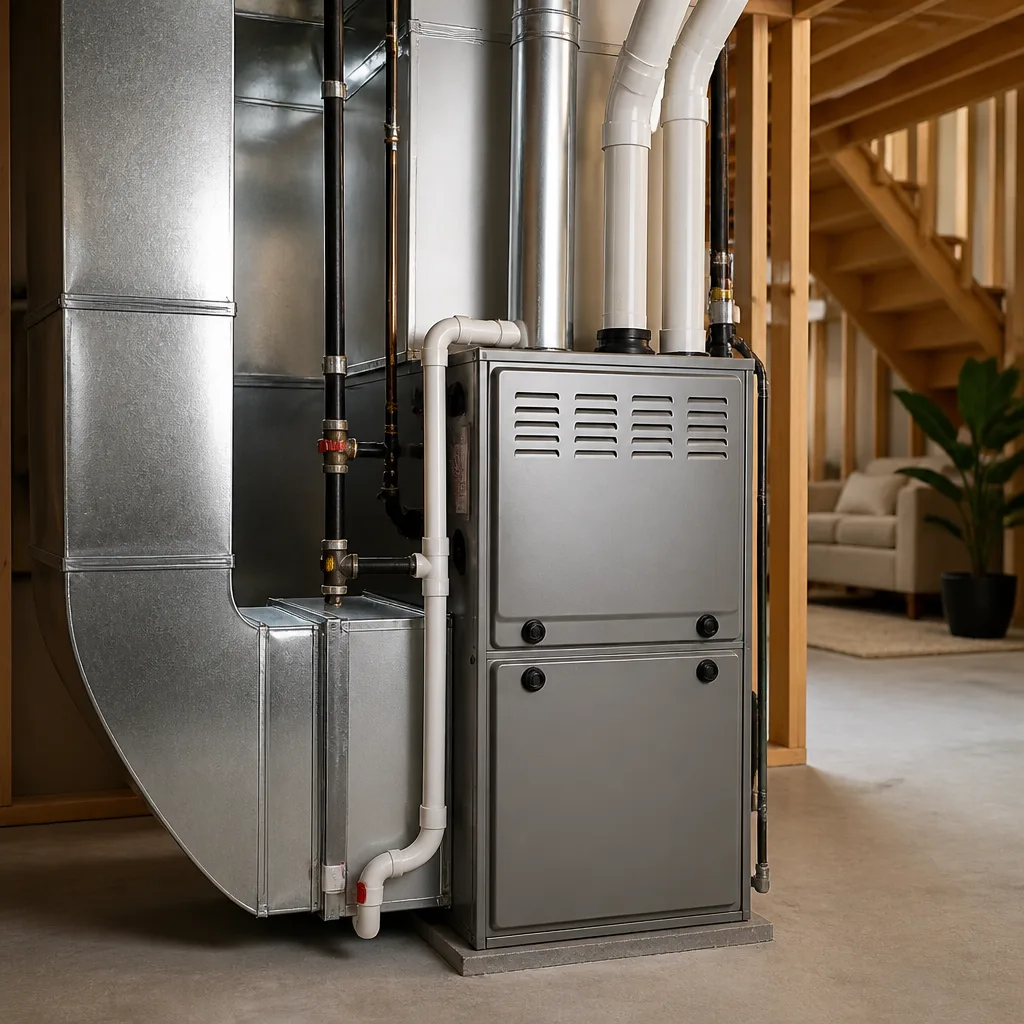 Furnace & heating
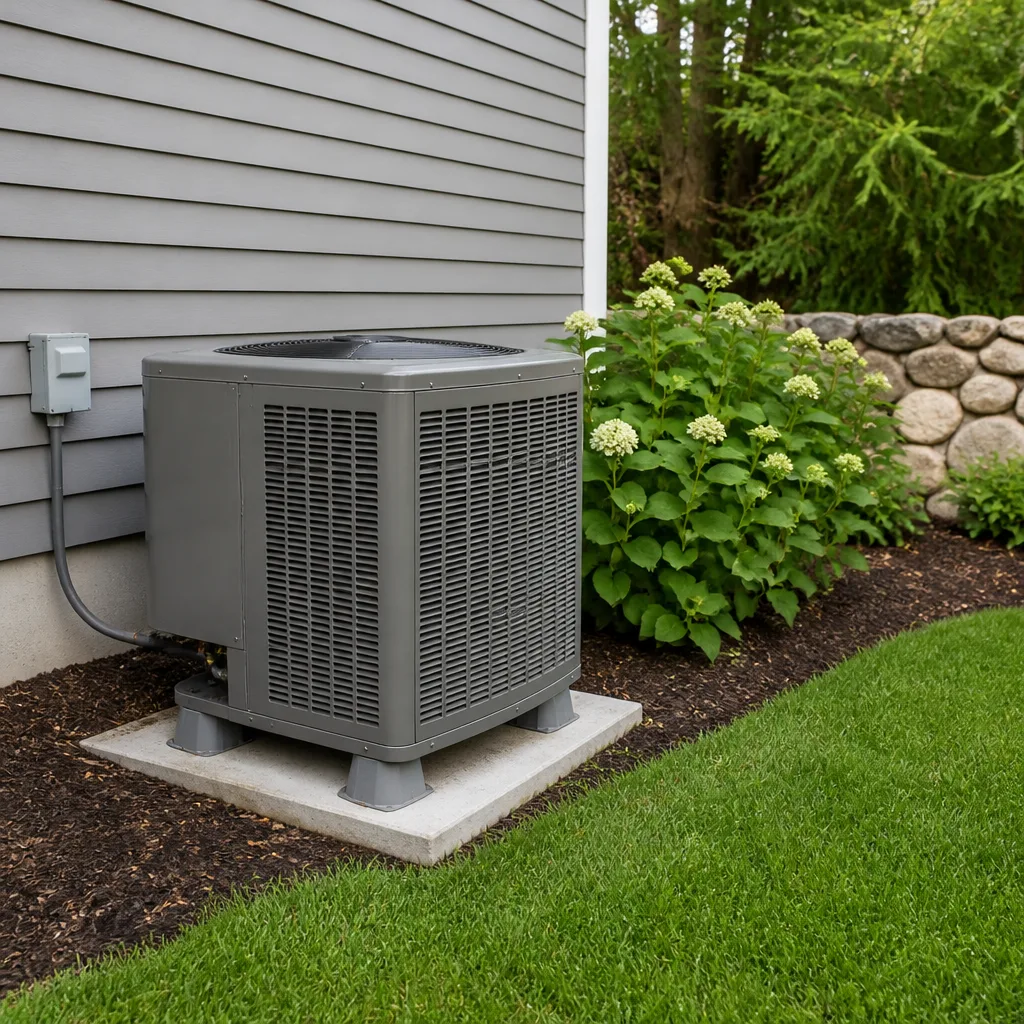 Heat pumps
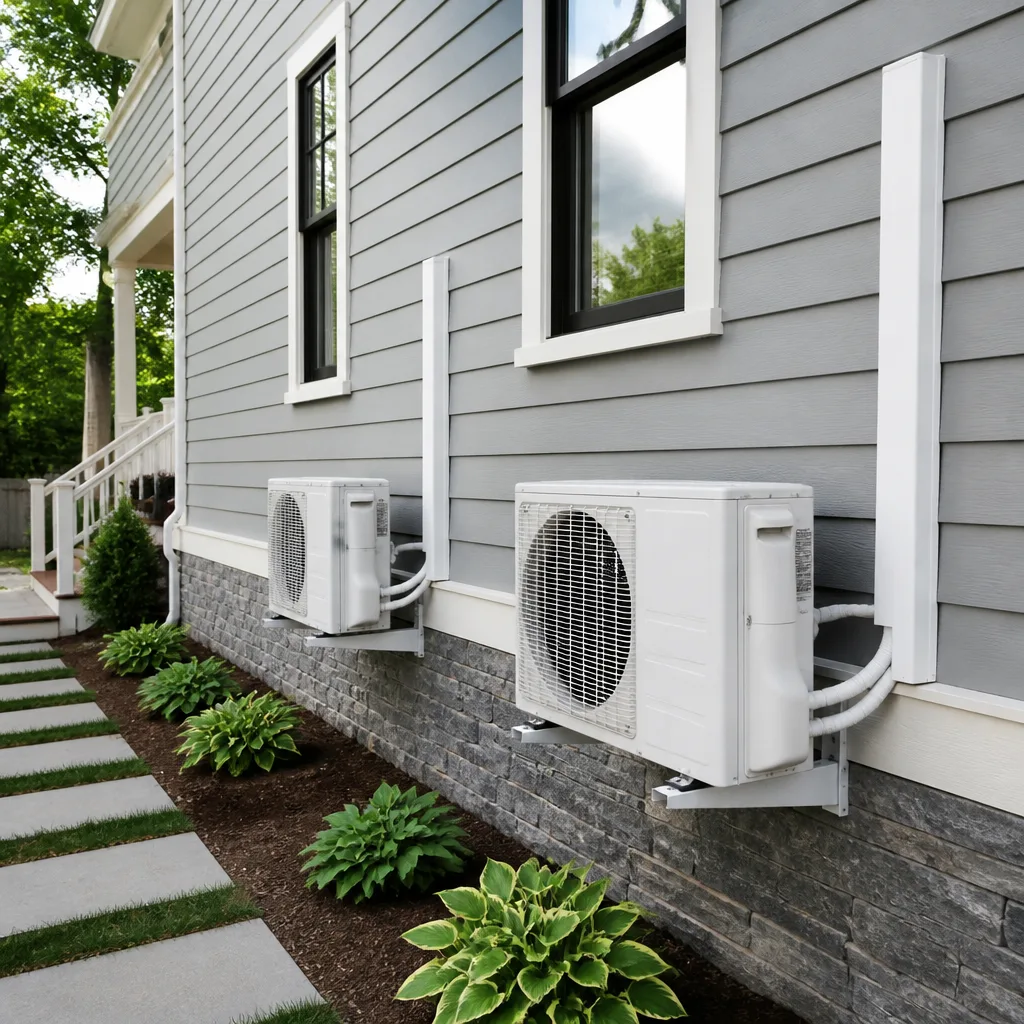 Ductless mini splits
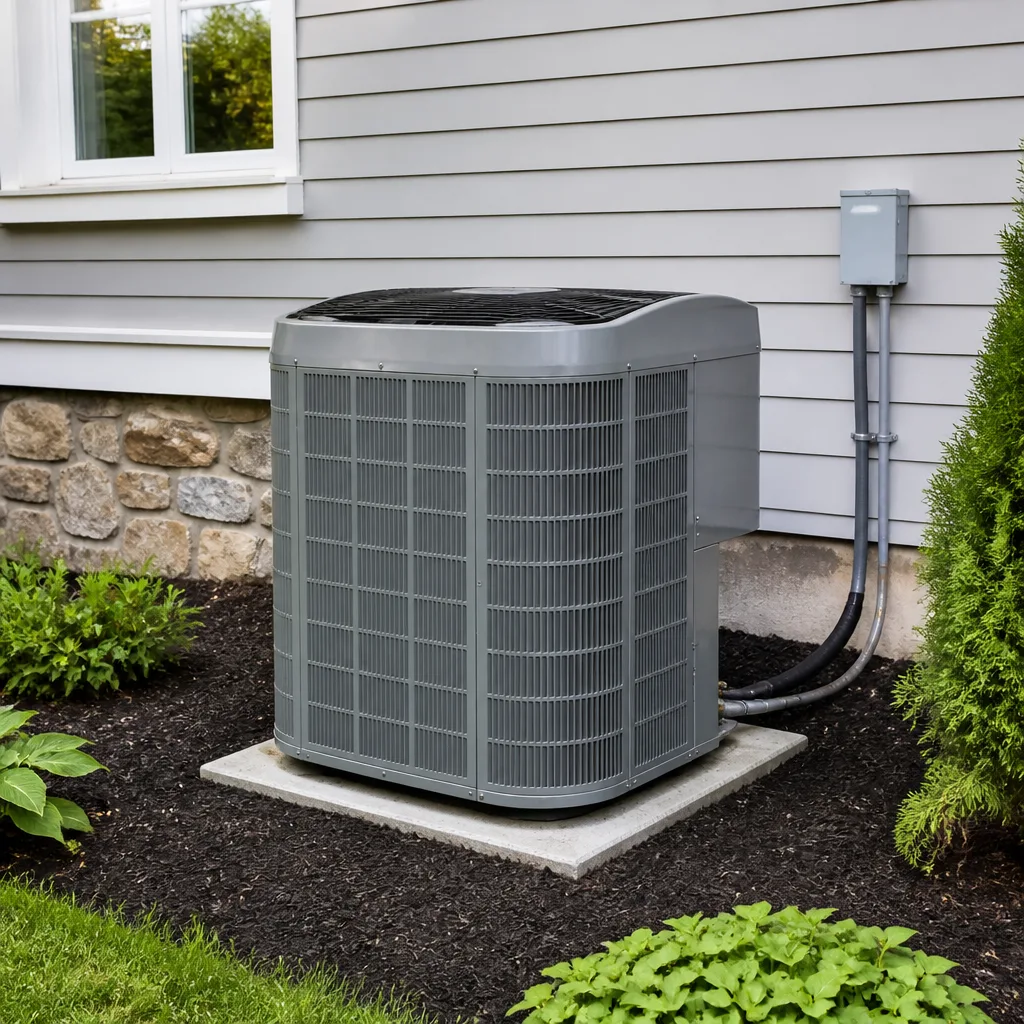 Carrier
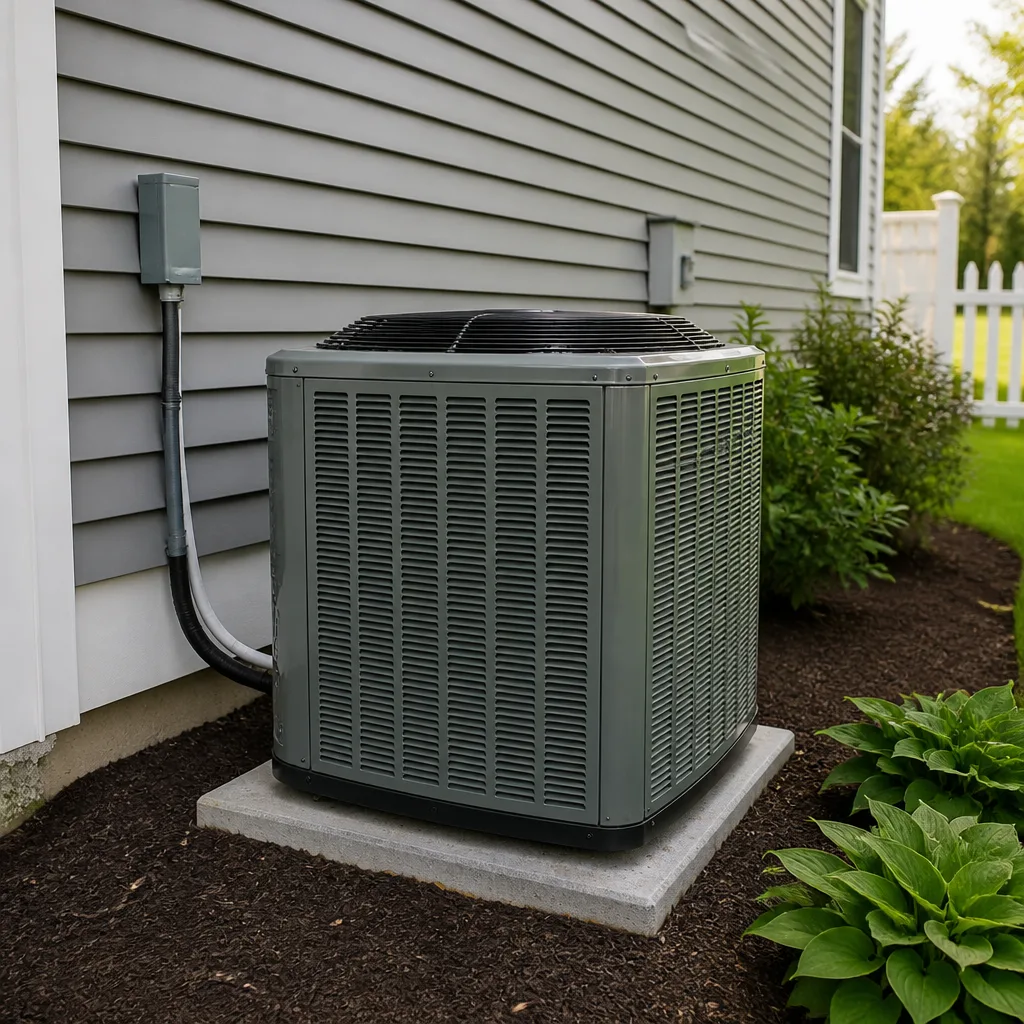 Trane
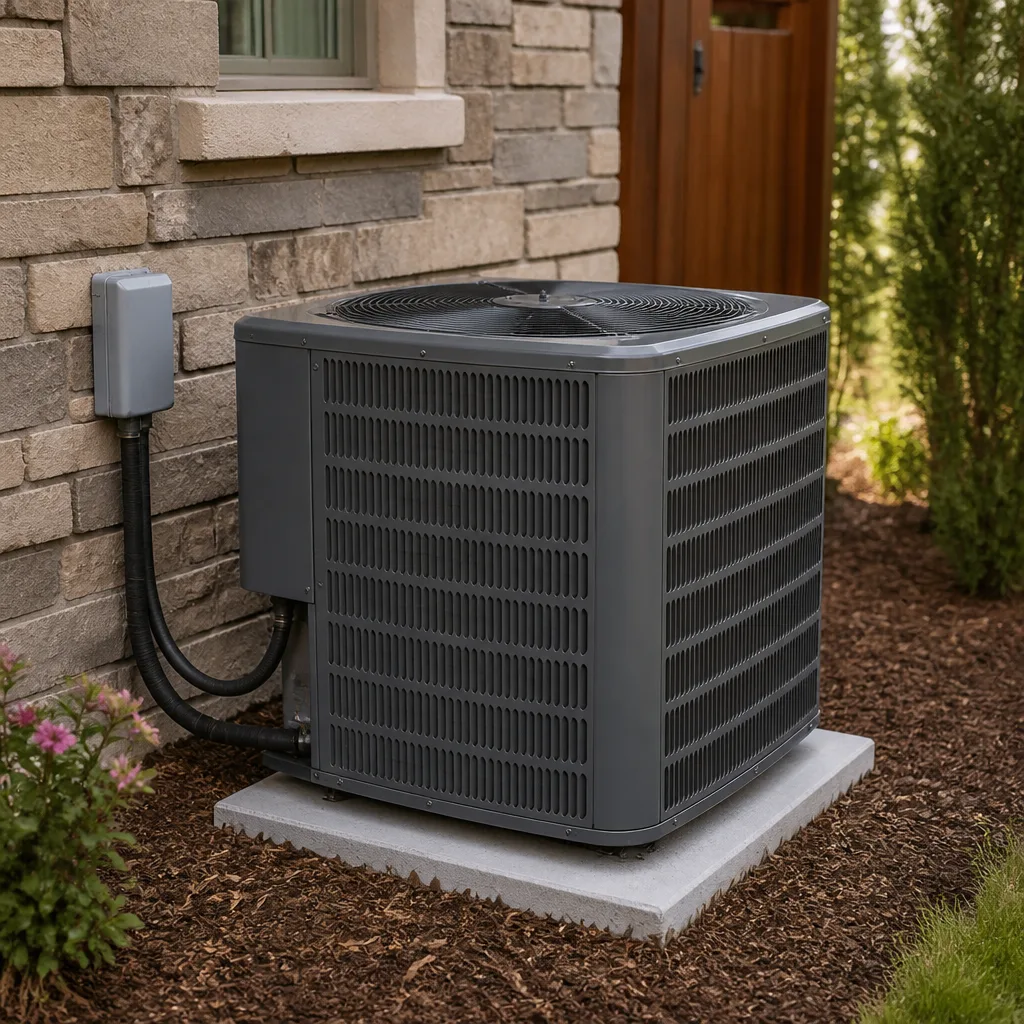 Goodman
Seasonal tune-up and full diagnostic on your Carrier, Trane, or Goodman system - readings shown to you before any repair is proposed
Diagnosis first, numbers second - you approve the repair price before a single part goes in.
Get your free estimateChoosing the Right HVAC Brand: A Buyer’s Guide for Whitney
A brand that ranks first in national satisfaction surveys is measuring comfort in Atlanta and Minneapolis. That ranking tells you almost nothing about how the same compressor performs at 110°F ambient in Whitney. National surveys reward quiet operation, app integration, and how the dealer handled a warranty claim in a mild climate. They don’t measure what happens when a condenser sits in full afternoon sun in the Las Vegas Valley for the fourth straight month of triple-digit heat, cycling hard from noon to sunset while the house holds at 78.
What actually matters here is narrower and more technical: a compressor rated for high ambient temperatures, parts that a local distributor keeps on the shelf, and a warranty written for heavy use rather than occasional use. This guide covers how to read a spec sheet for desert conditions, which brand tiers make sense at each price point, and the fine print that voids a compressor warranty in a high-load installation. We work on the brand already in your home, so this is written from the diagnostic side, not the sales floor.
Quick Answer
The right HVAC brand for Whitney is the one whose compressor carries a verified high-ambient rating, whose parts a Las Vegas Valley distributor stocks locally, and whose warranty survives the duty cycle a desert summer puts on it. Carrier, Trane, American Standard, and Bryant all build equipment suited to this climate at different price points, and the tier matters less than the specific model’s rating and the quality of the install. A premium brand installed poorly will fail faster here than a mid-tier brand installed correctly.
Styles & brands we work with
- AC installation
- Furnace & heating
- Heat pumps
- Ductless mini splits
- Carrier
- Trane
- Goodman
Table of Contents
- What “High Ambient Rated” Actually Means on a Spec Sheet
- Parts and Dealer Availability in the Las Vegas Valley
- Compressor Warranty Terms: 5-Year vs. 10-Year and What Voids Them
- SEER2 vs. Real-World Efficiency in Desert Heat
- Brand Tier Analysis for Whitney: Value at Every Price Point
- Why Installation Quality Outranks Brand Every Time
- How to Evaluate a Brand Before You Buy: Step by Step
- Common Mistakes to Avoid
What “High Ambient Rated” Actually Means on a Spec Sheet
High ambient rating means the manufacturer has tested and certified the unit to operate and maintain its rated capacity at outdoor temperatures above the standard test condition. Most residential split systems are rated at 95°F outdoor ambient. In Whitney, July and August afternoons routinely push well past that, and a condenser mounted against a west-facing wall or on a bare patio slab can see even higher temperatures at the coil.
When a unit is running above its rated ambient, three things happen. Capacity drops, so the system runs longer to hit the thermostat setpoint. Head pressure climbs, which loads the compressor. And the compressor’s internal thermal protection may start cycling it off before the house is satisfied. A unit that’s technically “working” but short-cycling on high head pressure is a unit that’s aging fast.
Here’s what to look for on the spec sheet:
- Rated ambient range: some manufacturers publish an operating range up to 115°F or beyond on specific models. That line item is what you want to see, not a general marketing claim.
- Extended ratings tables: AHRI and manufacturer data often include capacity at 105°F and 115°F. Compare the capacity at 115°F to the capacity at 95°F. A big drop means the unit is working hard to keep up.
- Compressor type: scroll compressors generally handle sustained high-load operation better than reciprocating types, and many desert-rated models use them.
- Coil and fan design: larger coil surface area and a variable-speed condenser fan help the unit shed heat at high ambient instead of fighting it.
We’ve seen units fail in Whitney not because the brand was bad but because the model was chosen for a mild-climate rebate program and dropped into a desert install. Carrier and Trane both publish extended ambient data across their residential lines, and it’s worth asking to see it before you sign. If a dealer can’t produce the high-ambient rating for the specific model, that’s your answer.
Parts and Dealer Availability in the Las Vegas Valley
In Whitney, the difference between a two-day repair and a two-week repair is usually whether a local distributor stocks the part. The Las Vegas Valley has a deep supply chain for the major residential brands, but it’s not uniform. Some manufacturers keep local warehouse stock of compressors, condenser fan motors, and control boards. Others route those parts through regional hubs and ship in, which is fine in April and miserable in July.
What that means in practice:
- Check the local distributor network. Ask which distributors in the valley carry the brand’s residential parts. A brand with multiple stocking distributors means more than one shop can pull the part.
- Ask about compressor lead time specifically. Compressors are the long-lead item. If a distributor keeps the common tonnages in stock locally, a failed compressor can often be swapped in days rather than weeks.
- Confirm the control board situation. Modern units are board-driven, and a failed board takes the whole system down. Boards are usually the fastest-moving part at a local distributor for the bigger brands.
- Verify warranty parts channels. A warranty claim that requires the part to ship from out of state still leaves you without cooling while it ships, even though the part is free.
This is one of the places where brand tier actually shows up as service speed rather than sticker price. The majors – Carrier, Trane, American Standard, Bryant, and the rest of the widely installed names – all have a presence in the valley because they’re installed in volume here. The brand you can’t get parts for locally is the brand that costs you the most in a Whitney summer, regardless of what the box cost.
If you’re already dealing with a failed unit, AC repair starts with a diagnosis of what’s actually failed before anyone talks brand. Diagnosis first, brand conversation second.
Compressor Warranty Terms: 5-Year vs. 10-Year and What Voids Them
Compressor warranties on residential equipment typically run either 5 years or 10 years from installation, and the term usually depends on whether the unit was registered and whether it was installed by a qualified contractor. That 5-year vs. 10-year gap matters enormously in Whitney, because a desert duty cycle is closer to what the compressor sees in a commercial application than what it sees in a mild-climate home.
What voids or shortens a compressor warranty in a high-use desert install:
- Failure to register the unit. Many manufacturers shorten the warranty to 5 years if the equipment isn’t registered within a set window after installation. The install date starts the clock, so registration is a task, not a formality.
- Improper installation. Incorrect refrigerant charge, a mismatched indoor coil, or a line set that’s undersized all stress the compressor. Manufacturers can deny a claim if the install doesn’t meet spec.
- Skipped maintenance records. Some warranties require documented maintenance. In a high-load climate, a missing maintenance record is the easiest reason for a claim denial.
- Non-OEM parts. A generic capacitor or a rebuilt board can void coverage on related failures. It’s a small savings that can cost a compressor.
- Installation outside rated conditions. A unit installed in a location that exceeds the manufacturer’s ambient rating can be excluded.
The 10-year term is worth having here. In a Whitney install, the compressor does more work in a decade than it would in twenty years in a cooler climate. A 5-year term often expires right around the point where the desert duty cycle starts to show. When you compare brands, read the compressor clause specifically – not the parts warranty as a whole, which is a different number – and confirm the registration window and the maintenance documentation requirement in writing.
Our technicians have up to 8 years of experience reading these clauses, and we’ve seen claims denied over a missing registration. It’s a five-minute task at install that protects thousands in equipment.
SEER2 vs. Real-World Efficiency in Desert Heat
SEER2 is a laboratory rating. It’s measured under controlled conditions with an outdoor temperature of 95°F and specific indoor humidity, airflow, and load assumptions. In Whitney, the outdoor temperature is often well above 95°F for months at a stretch, and the indoor load is higher because the house is gaining heat all day. The number on the box tells you how the unit performed in a lab, not how it will perform on a west-facing wall on an August afternoon.
Three things happen to real-world efficiency in desert conditions:
- Capacity falls as ambient rises. A unit rated at 3 tons at 95°F may deliver meaningfully less at 110°F. The house still needs the same cooling, so the unit runs longer to deliver it, and runtime is where efficiency is won or lost.
- Head pressure rises. Higher ambient means the condenser has to reject more heat into hotter air. The compressor works harder per unit of cooling delivered. Efficiency at 110°F is not the same as efficiency at 95°F, and manufacturer extended data tables show the gap.
- Variable-speed and two-stage equipment pulls ahead. Equipment that can modulate its output holds capacity better at high ambient and runs at lower, more efficient stages during the milder parts of the day. In a Whitney summer, the day isn’t uniform – mornings are milder, afternoons are brutal – and a modulating system takes advantage of that.
How to compare brands honestly:
- Look at the extended ratings table, not just the headline SEER2 number.
- Compare capacity at 105°F and 115°F across the models you’re considering. A brand whose capacity holds up better at 115°F is a brand that will run less at full load in Whitney.
- Weight the compressor’s rated operating range heavily. A unit certified to run well past your local summer highs is doing less work per delivered ton.
If you’re evaluating a replacement, AC installation should include a load calculation on the house before any model is picked. A brand’s efficiency claims mean nothing if the tonnage is wrong for the space.
Brand Tier Analysis for Whitney: Value at Every Price Point
Brand tiers in residential AC are real, but the line between them is less about reliability and more about parts availability, feature set, and the depth of the local dealer network. In Whitney, we weight desert durability heavily, which changes the ranking. Here’s how the landscape breaks down when you weight compressor ratings, parts stock, and warranty terms instead of marketing budget.
Premium tier
Carrier and Trane sit here for residential equipment, and both publish extended high-ambient data across their lines. Trane’s compressor reputation is built on commercial-grade scroll designs that hold up under sustained load, and Carrier’s variable-speed and inverter-driven models are well suited to the long, hot days in Whitney. American Standard is built on the same platform family as Trane, which means much of the parts and service knowledge overlaps. Premium-tier pricing is real, and the value shows up in longer service life rather than a lower install bill.
Mid tier
Bryant, Rheem, York, and Lennox all land here for most residential installs, and the honest answer is that a well-installed mid-tier unit with a properly sized load calculation will serve a Whitney home well. Bryant shares engineering lineage with Carrier on several platforms. Rheem and York have solid local distributor presence. The mid tier is where the value concentration is highest in this market if the install is done right and the compressor clause is checked.
Value tier
Goodman and Daikin are widely installed in the valley, and locally stocked parts are a real advantage in a July failure. Daikin’s inverter-driven residential equipment is a legitimate high-ambient performer at a lower price point than the premium brands. The catch is that the value tier rewards a careful install more than the premium tier does – a small charge error or a ductwork problem shows up faster on equipment with less headroom.
The honest weighting for Whitney
- Highest value at mid tier: a properly sized and installed unit from the mid tier, with a 10-year registered compressor warranty and locally stocked parts.
- Best long-run durability: premium tier with variable-speed or inverter-driven equipment, if the load calculation supports the sizing.
- Best parts availability: whichever brand has multiple stocking distributors in the Las Vegas Valley – which is most of the majors.
- Least value: paying premium dollars for a model without published high-ambient data. The price tag isn’t the spec sheet.
We’re brand-agnostic on purpose. We work on Carrier, Trane, Lennox, Goodman, Rheem, York, Daikin, Bryant, and American Standard, and the recommendation follows the house, not a certification target. That’s what AC Repair Whitney is built around.
Why Installation Quality Outranks Brand Every Time
A premium brand installed with the wrong refrigerant charge, an undersized return, or a line set that doesn’t match the coil will fail faster in Whitney than a mid-tier brand installed to spec. This is the single biggest cost driver in residential AC, and it’s the one the brand comparison can’t fix. The install is the difference between a system that hits its rated capacity and efficiency and one that runs hot and short-cycles.
What a Whitney install has to get right:
- Load calculation on the house. Tonnage follows the house – its insulation, window glazing, orientation, and attic ventilation – not the old unit’s label. The old unit might have been oversized or undersized for a reason nobody wrote down.
- Duct sizing and static pressure. Desert homes often have duct systems in the attic where the temperature runs 140°F or higher in summer. A duct run that was adequate when the house was built can be undersized for a modern, higher-airflow unit.
- Refrigerant charge by weight, not by gauge alone. Manufacturer spec is a weight of refrigerant for a given line set length. Charging to a gauge reading in a 110°F ambient is guesswork.
- Condenser placement. Shade, clearance, and orientation to prevailing afternoon sun all affect how hot the coil runs. A unit that’s boxed in against a wall works harder every afternoon.
- Registration and documentation. The 10-year compressor warranty depends on it, and the maintenance records start the day the unit does.
In our experience, the install is where a brand’s reputation is either earned or wasted. If you want a brand comparison to mean anything, get the load calculation and the install scope in writing first. Then pick the model.
How to Evaluate a Brand Before You Buy: Step by Step
Evaluating a brand for Whitney is a sequence, not a single question. Here’s how we’d walk a homeowner through it, in order.
- Get a load calculation on the house first. Before any brand or model is discussed, the house’s actual cooling load needs to be calculated. This sets the tonnage and prevents the whole brand conversation from being about a wrong-size unit.
- Ask to see the extended high-ambient ratings. Get the capacity at 105°F and 115°F for the specific model, not the product line. A brand that publishes this data is a brand you can compare honestly.
- Check the compressor’s rated operating range. Confirm the unit is certified to run at or above the peak ambient you’ll see in Whitney.
- Ask which local distributors stock parts. Get names, not assurances. A compressor that ships from out of state is a compressor that costs you days in July.
- Read the compressor warranty clause in full. Note the registration window, the maintenance requirement, and the exclusions. 10 years beats 5 if the terms hold up.
- Compare SEER2 alongside the extended-efficiency data. The headline number is a starting point. The behavior at your actual summer high is the decision point.
- Confirm the install scope in writing. Duct evaluation, line set, refrigerant charge method, condenser placement, and registration all need to be spelled out.
- Ask about the maintenance schedule. A brand’s warranty is far easier to keep in force when you have a maintenance routine on it from year one.
That’s the process. It’s not glamorous, and it doesn’t lead to a clean “buy brand X” answer, because there isn’t one. The brand that suits a Whitney home is the one that survives the sequence above.
Common Mistakes to Avoid
- Picking a brand off a national satisfaction ranking. Those rankings measure a different climate and a different duty cycle. A brand that wins on quiet operation in a mild-climate survey may have no published high-ambient data at all.
- Buying on SEER2 alone. The lab number assumes 95°F outdoor ambient. Whitney spends months above that, and the real-world efficiency gap between two brands can be much bigger than the SEER2 difference suggests.
- Ignoring the compressor warranty fine print. The 10-year term is often conditional on registration and documented maintenance. Missing either can drop you to 5 years, and 5 years is not enough in a desert duty cycle.
- Skipping the load calculation. An oversized unit in Whitney short-cycles, doesn’t dehumidify well, and works its compressor harder than a correctly sized unit. The old unit’s label is not a load calculation.
- Letting the brand conversation crowd out the install scope. A premium brand installed with the wrong charge or an undersized return will fail before a mid-tier unit installed correctly. Get the install scope in writing before the model discussion.
- Assuming all major brands have equal local parts support. They don’t. Some parts are shelved locally and some ship from regional hubs. Ask which, and ask specifically about compressors.
- Choosing a brand for its app and forgetting the compressor. Smart-home features are nice. They are not what keeps the house at 78 in August.
See the difference
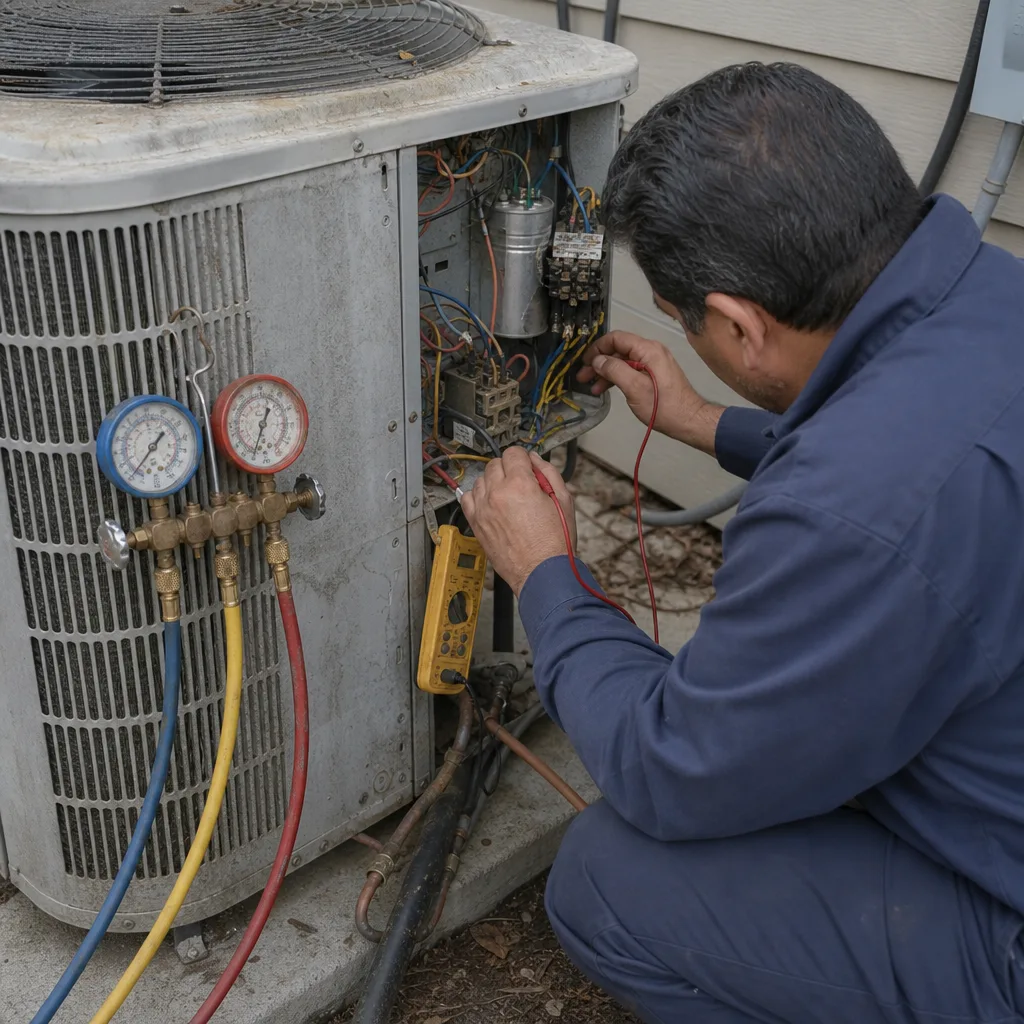 Before
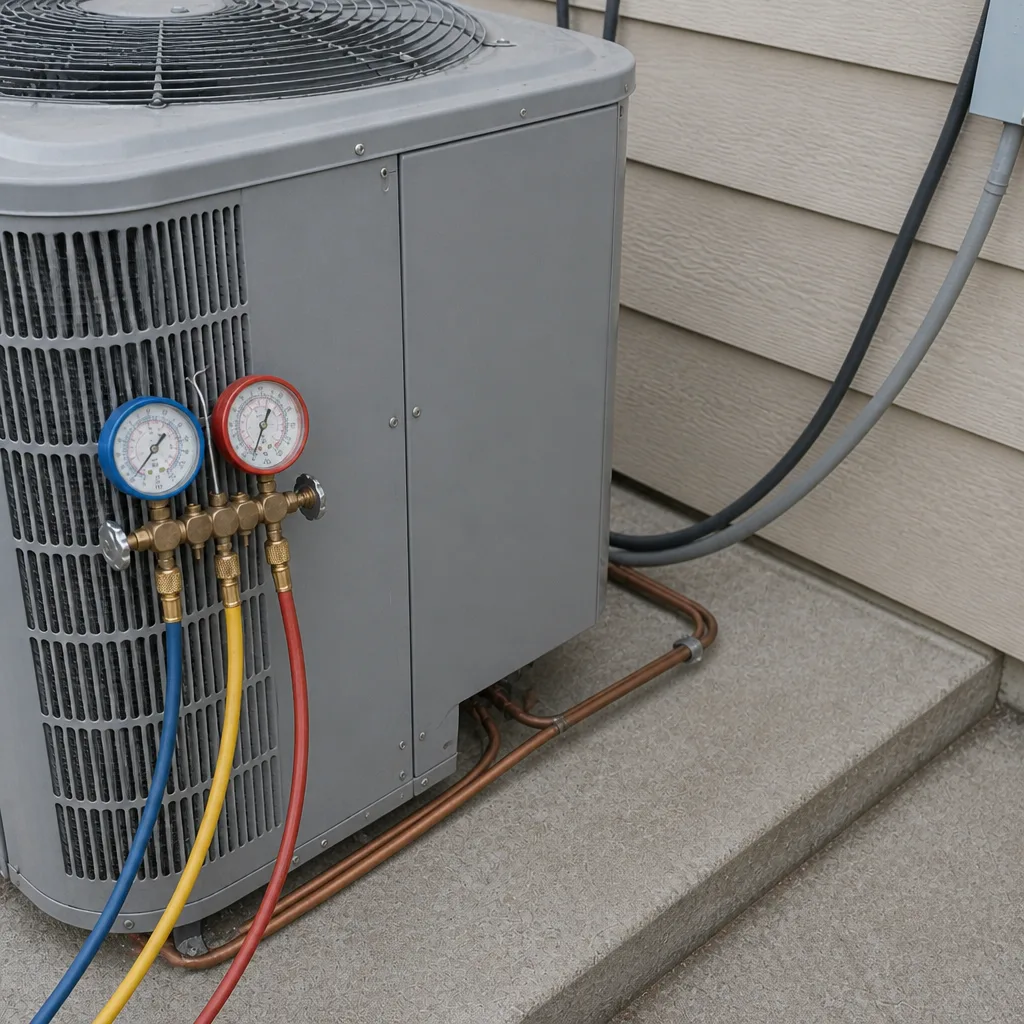 After
 Before
 After
 Before
 After
When to Call a Professional
Call a professional when the system isn’t reaching setpoint on a hot afternoon, when it’s short-cycling, when it’s making a noise it didn’t make last summer, or when you’re trying to decide whether to repair or replace. The brand comparison decisions – which model, which warranty, which parts channel – are all better made with a diagnosis of the current system in hand. A technician who specializes in AC can tell you what’s failing, how long the current unit likely has, and which brand tier makes sense for the house’s actual load. Call (888) 691-6715. We answer 24/7. Fast dispatch from 7am to 7pm, Sunday through Friday. Estimates are free in Whitney, and the price is set per job by the written estimate.
Frequently Asked Questions
There isn’t a single best brand, but the best choice for Whitney is the model whose compressor carries a verified high-ambient rating, whose parts a Las Vegas Valley distributor stocks locally, and whose warranty holds up under a heavy desert duty cycle. Carrier, Trane, American Standard, and Bryant all build models suited to this climate at different price points, and the install quality matters more than the badge. Call (888) 691-6715 for a free estimate on your specific house.
Not necessarily. SEER2 is measured at 95°F outdoor ambient, and Whitney spends months well above that, so the real-world efficiency gap between two brands can be very different from the headline SEER2 difference. Compare the extended ratings at 105°F and 115°F, not just the lab number. We can pull those numbers for the models you’re considering – call (888) 691-6715.
The major residential brands – Carrier, Trane, Lennox, Goodman, Rheem, York, Daikin, Bryant, and American Standard – all have a distributor presence in the Las Vegas Valley, but stocking depth varies by part type. Compressors and control boards are the ones to ask about specifically, since those are the long-lead items. Call us and we can tell you what’s locally stocked for the brand already in your home.
Compressor warranties run either 5 or 10 years from the install date, and the term usually depends on registration and documented maintenance. The 10-year term is worth having in Whitney because the desert duty cycle wears the compressor faster than a mild climate does. Read the compressor clause specifically – the parts warranty as a whole is a different number. Call (888) 691-6715 to review the warranty terms on a specific model.
Sometimes, and it depends on the compressor failure mode and the condition of the rest of the system. If the compressor failed because of a refrigerant leak, a bad board, or a matching problem upstream, replacing only the compressor can leave the cause in place. A diagnosis first, then a repair-or-replace recommendation. We handle both – call (888) 691-6715.
Yes, and that’s a real advantage in Whitney – we work on Carrier, Trane, Lennox, Goodman, Rheem, York, Daikin, Bryant, and American Standard, which means the recommendation follows the house rather than a single brand certification. Because AC is all we do, diagnosis is faster and the recommendation isn’t steered toward one manufacturer. For Whitney homes, one call covers repair, replacement, or maintenance.
The Bottom Line
Brand loyalty in HVAC is often shaped by marketing budgets, not desert performance data. In Whitney, the ranking that actually matters weighs three things: a compressor with a verified high-ambient rating, parts a Las Vegas Valley distributor stocks locally, and a warranty that holds up under sustained triple-digit heat. SEER2 tells you how the unit performed in a lab at 95°F; the extended ratings at 105°F and 115°F tell you how it will perform on your west-facing wall. Pick the model after the load calculation and the install scope are in writing, not before. Repair, replace, or maintain – one call covers it, and the diagnosis comes first.
If you’re weighing brands for your home or your current system is failing, call (888) 691-6715 for a free estimate. We answer 24/7. Fast dispatch from 7am to 7pm, Sunday through Friday.
Written by the team at AC Repair Whitney.