
Last updated November 17, 2026
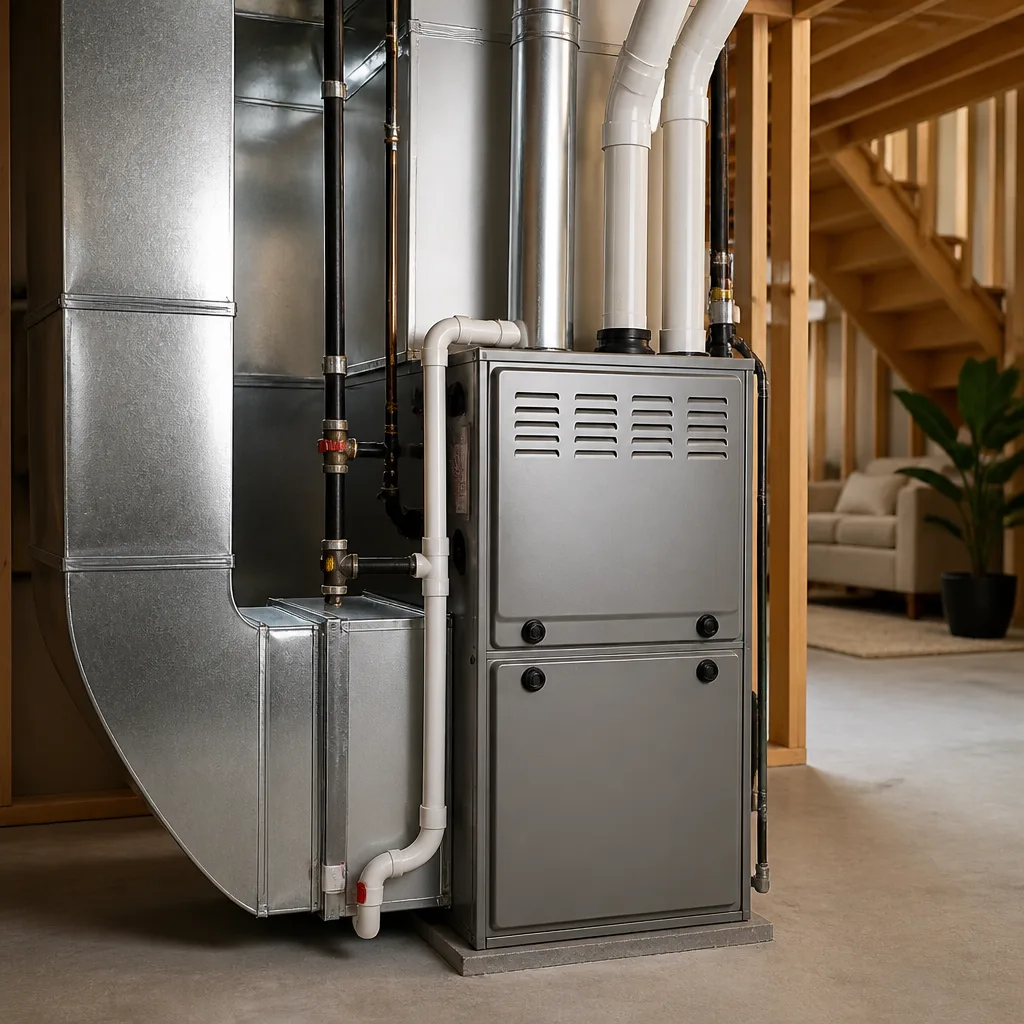 Furnace & heating
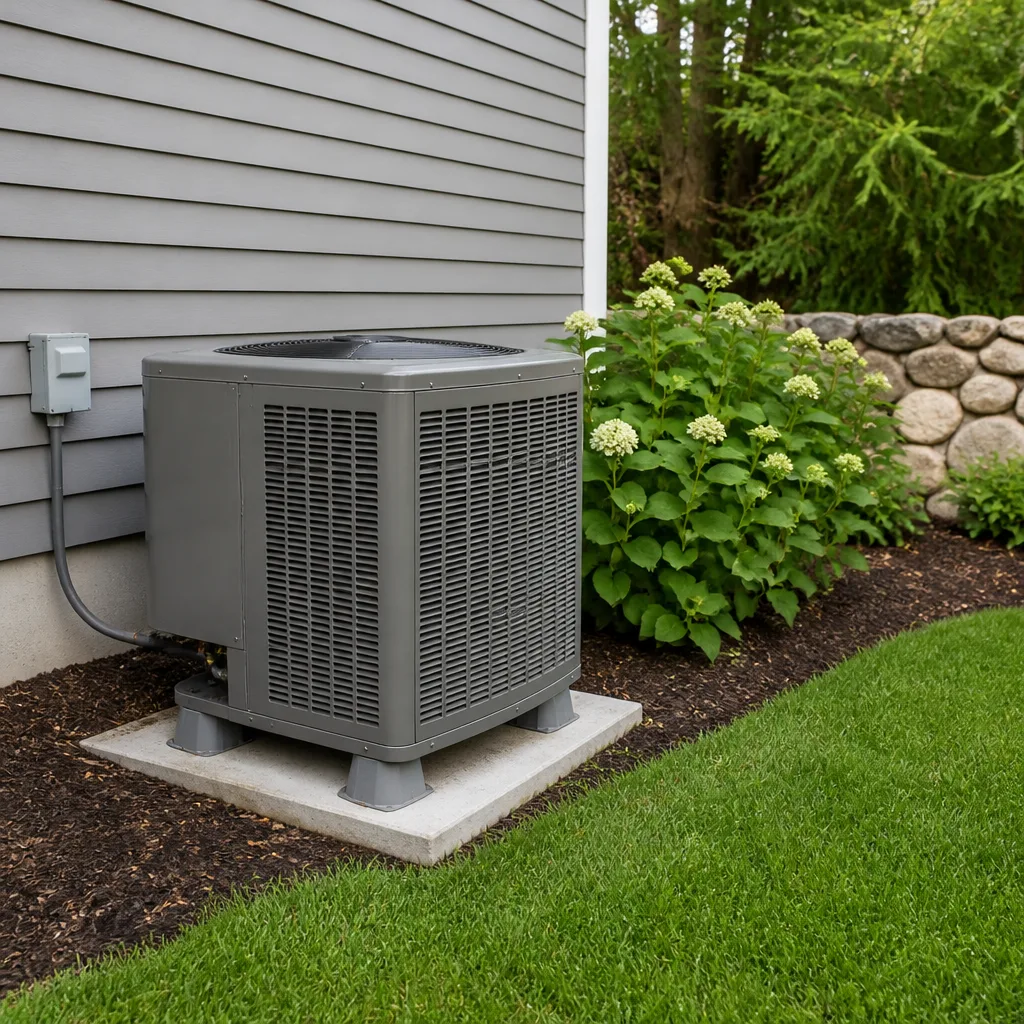 Heat pumps
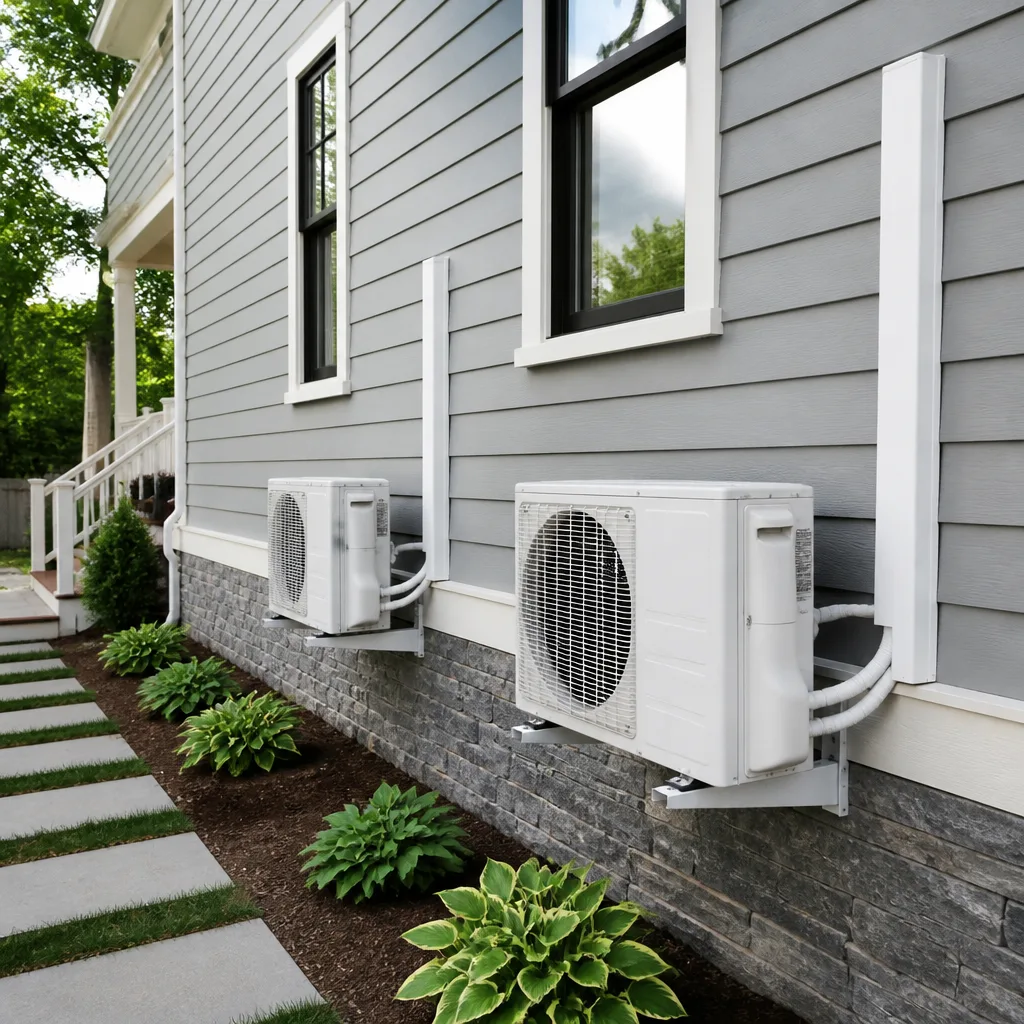 Ductless mini splits
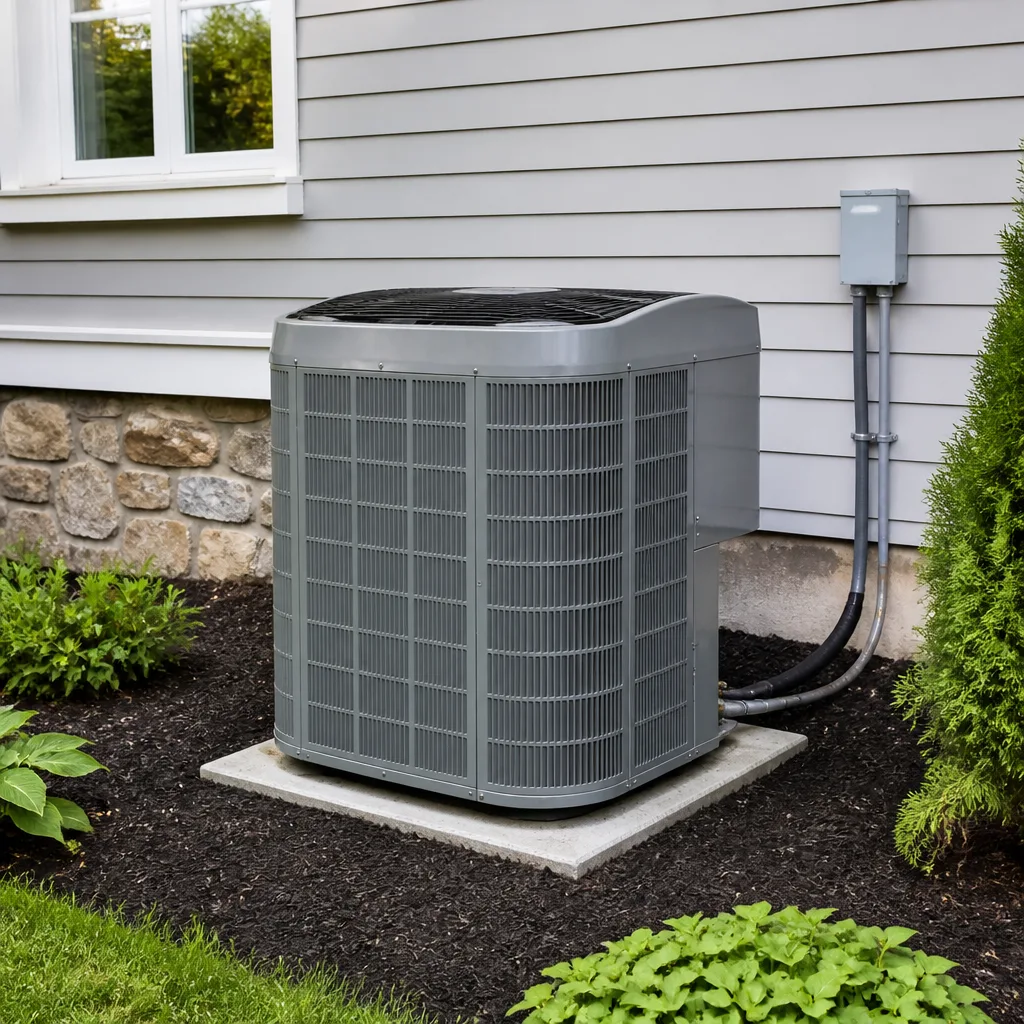 Carrier
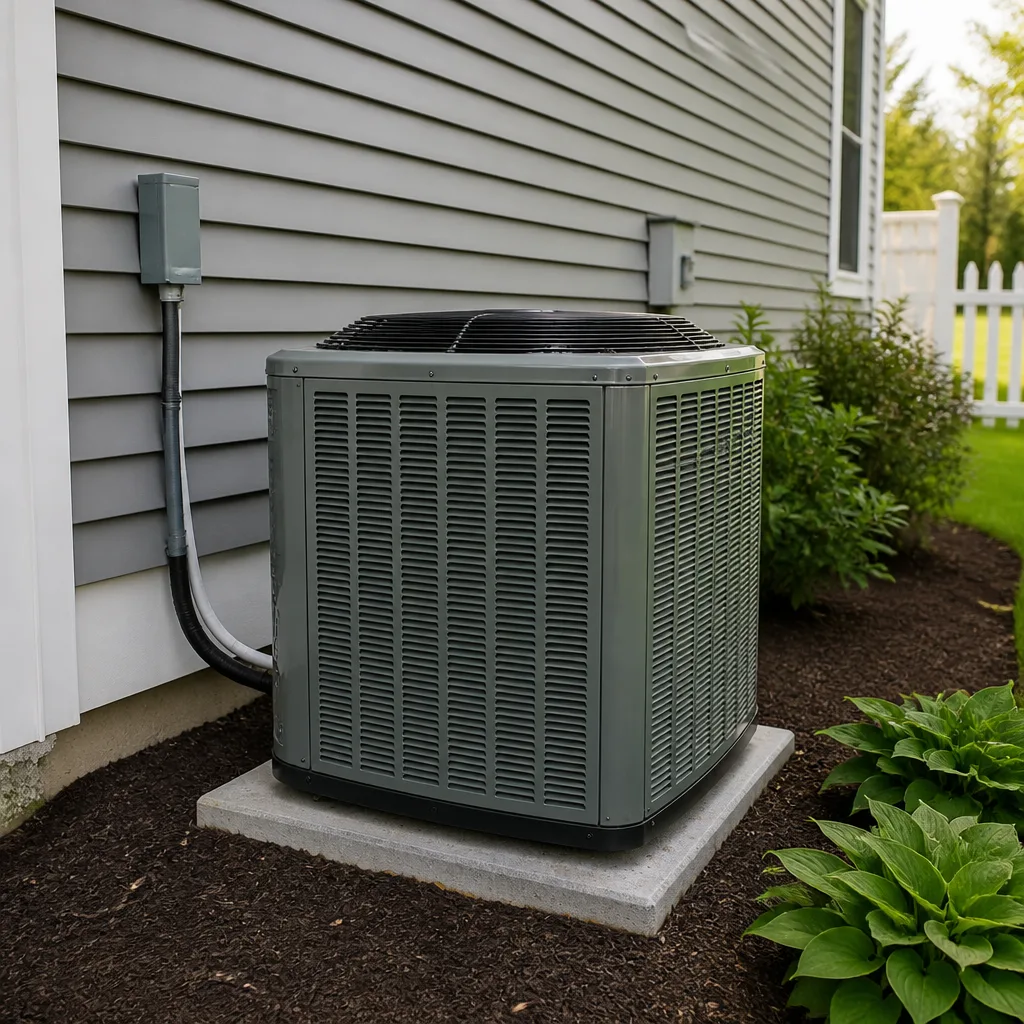 Trane
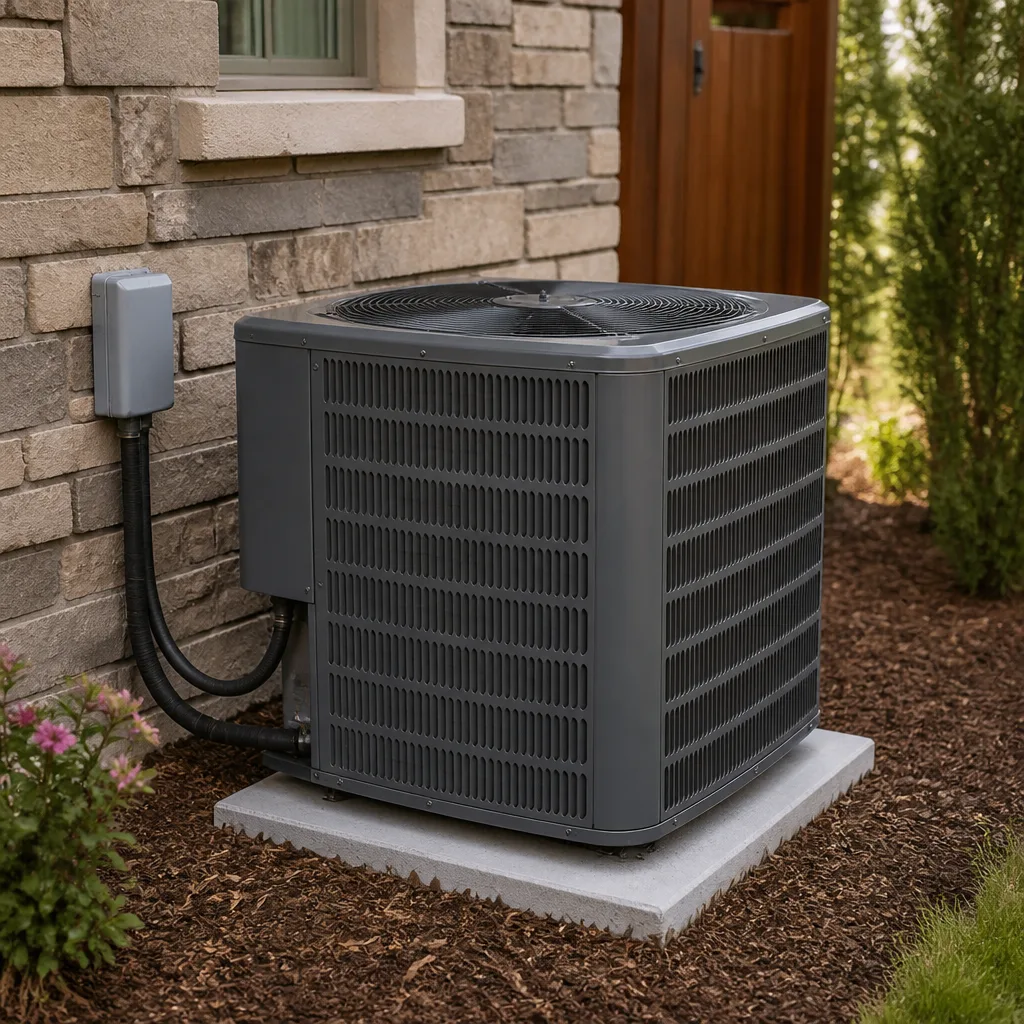 Goodman
Seasonal tune-up and full diagnostic on your Carrier, Trane, or Goodman system - readings shown to you before any repair is proposed
Diagnosis first, numbers second - you approve the repair price before a single part goes in.
Get your free estimateThe Complete AC Repair Guide for Whitney Homeowners
Most AC repair advice you’ll read online was written for a house in a mild climate, where the system runs a few months a year and gets a long break. Whitney doesn’t work that way. When the desert sits above 90°F for a long stretch of summer, your air conditioner isn’t running like a typical residential unit. It’s running like commercial equipment that happens to carry a residential warranty, and the parts that fail first here aren’t always the parts the generic guides warn you about. This guide treats Whitney’s heat, dry air, and long cooling season as the starting point, not an afterthought. You’ll learn what fails, in what order, how to read a repair quote with local conditions in mind, and when to stop repairing and start planning a replacement.
Quick Answer
AC repair in Whitney covers a short list of predictable failures: weak capacitors, dirty condenser and evaporator coils, refrigerant leaks, failing contactors, and blower or fan motor wear. What makes a repair last in Whitney is whether the technician accounts for the area’s dust, dry air, and extended high-load season rather than applying a canned national checklist. A good repair restores full cooling capacity and is sized to survive the next hard summer, not just the next mild week.
Styles & brands we work with
- AC installation
- Furnace & heating
- Heat pumps
- Ductless mini splits
- Carrier
- Trane
- Goodman
Table of Contents
- Why AC Systems Fail Differently in Whitney
- The Whitney Failure Timeline: What Breaks First and When
- How Desert Dust and Dry Air Accelerate Coil and Capacitor Wear
- Why “Change Your Filter Every 90 Days” Is Wrong Here
- How a Proper AC Diagnosis Works
- How to Read an AC Repair Quote for Whitney Conditions
- Repair or Replace? Deciding in a High-Load Climate
- Maintenance That Actually Extends System Life in Whitney
Why AC Systems Fail Differently in Whitney
An air conditioner is rated for a certain number of running hours, and in most of the country that rating is spent gradually over many years. In Whitney, the cooling season is long and intense, so a system burns through those hours faster. Combine that with dry desert air and airborne dust, and the wear pattern shifts. This is the single most useful thing to understand about AC repair in Whitney: your equipment lives a harder life than the same model installed in a cooler, more humid city.
Three conditions drive most of it here:
- Sustained high load. Long stretches above 90°F mean the compressor and condenser fan run near continuously during peak summer. Electrical components that cycle thousands of times in a mild climate cycle far more here, and they wear out sooner.
- Dry, dusty air. Low humidity is easy on some parts and hard on others. Dust that would get washed out of the air in a wetter climate instead settles on coils and collects around outdoor units, which we’ll get into below.
- Wide day-to-night temperature swings. Desert evenings cool off fast, and that daily expansion and contraction puts steady mechanical stress on connections, fittings, and seals.
None of this means a Whitney system is doomed. It means the maintenance calendar and the failure sequence look different from what a national guide describes. When you’re searching for AC repair in this climate, the right questions are about load, dust, and duty cycle, not just “is it blowing cold.”
The Whitney Failure Timeline: What Breaks First and When
In our experience working on systems across Whitney, failures tend to arrive in a loose but recognizable order. This isn’t a guarantee for any single unit, but it gives homeowners a realistic map of what to expect and what to watch for as a system ages. Think of it as the sequence high-load operation tends to produce.
- Capacitors (often first, sometimes surprisingly early). The start and run capacitors help the compressor and fan motors get going and keep running. In Whitney’s heat, they degrade faster than the national average would suggest. A weak capacitor is one of the most common reasons a system won’t start or trips the breaker.
- Contactors and electrical connections. The contactor switches the compressor and condenser fan on and off. Thousands of extra cycles across a long season pit and wear the contacts, and loose connections add resistance and heat.
- Dirty condenser coil. The outdoor coil sheds heat, and in a dusty environment it fouls faster, forcing the compressor to work harder and run hotter.
- Refrigerant leaks at fittings and joints. The daily expansion and contraction cycle stresses connections over time. A slow leak shows up as gradually declining cooling rather than a sudden failure.
- Blower and condenser fan motors. Bearings and windings take a beating under long runtime. Noisy or slow fans are often early warning signs.
- Compressor (usually last, but the most expensive). The compressor is built to last, and it tends to fail only after years of running hot with a dirty coil, low refrigerant, or a weak capacitor stressing it. Protecting the cheaper parts upstream is what protects the compressor.
That order matters because a repair that addresses only the visible symptom while ignoring an upstream cause won’t hold. A new capacitor slapped onto a system with a fouled coil is a repair built for a mild week, not a Whitney summer.
How Desert Dust and Dry Air Accelerate Coil and Capacitor Wear
Two components take the brunt of Whitney’s conditions: the coils and the capacitors. Understanding why helps you judge whether a repair is actually built to last.
Coils foul faster than national averages predict
A condenser coil is a dense finned surface designed to move heat out of your home. In humid climates, some of the airborne material gets carried away and the coil stays comparatively cleaner. In dry, dusty high-desert air, dust settles and packs into the fins. As the coil fouls, it can’t reject heat efficiently, so the compressor runs longer and hotter, which shortens its life and raises your energy use. Evaporator coils indoors collect dust too, especially when filtration is weak, and a dirty evaporator coil means less cooling and more strain. In Whitney, coil cleaning isn’t cosmetic maintenance. It’s compressor protection.
Capacitors degrade under sustained heat
Capacitors are heat-sensitive. Under the hood of an outdoor unit in a Whitney summer, they’re operating in an environment far hotter than the design engineers in a milder market might expect. Heat degrades the internal materials, capacitance drifts, and eventually the motor won’t start cleanly or the compressor drops out. Multi-brand fluency matters here: a Lennox, Goodman, Rheem, or York unit each has its own capacitor values and layout, and technicians who work on those brands regularly know what “in spec” looks like for each. Getting the value right matters as much as replacing the part.
Why “Change Your Filter Every 90 Days” Is Wrong Here
The 90-day filter rule is the single most repeated piece of AC advice on the internet, and in Whitney it’s often the wrong advice. That guideline was written for homes with moderate dust and a shorter cooling season. Whitney homes run their systems far longer and pull in far more airborne dust, so a filter that’s fine in April can be loaded by late June.
Here’s a practical way to think about it for a Whitney home:
- During the peak cooling season, check monthly. Hold the filter up to a light. If you can’t see through it, it’s time.
- Shorter cycle for dusty conditions. Homes near open desert, dirt roads, or recent construction generate more dust and may need changes more often than the calendar suggests.
- A clogged filter strains more than the blower. Restricted airflow means the evaporator coil gets cold and can ice up, and the whole system works harder for less cooling. That’s a repair waiting to happen.
- Don’t over-filter into a restriction. Very high-MERV filters catch more particles but restrict airflow more. Match the filter to what your system is designed to move, and change it more often rather than buying the densest one on the shelf.
The point isn’t a specific number of days. It’s that in a dusty, high-load climate, filter condition is something you check and read, not something you schedule by the quarter and forget.
How a Proper AC Diagnosis Works
A good diagnosis is a sequence, not a guess. When a system isn’t cooling in Whitney, the technician should work from the outside in, checking the things that fail first here before reaching for expensive conclusions. Here’s what a thorough inspection looks like:
- Confirm the complaint and the conditions. Not cooling at all, cooling weakly, tripping the breaker, or making noise. Each points somewhere different.
- Check airflow and the filter. A restricted filter or blocked return is a common, cheap cause of poor cooling and must be ruled out first.
- Inspect electrical components. Test the capacitors and contactor, and check connections for heat and wear, because these are frequent early failures in this climate.
- Look at the coils. Both the outdoor condenser and indoor evaporator coils get inspected for dust and fouling, since that drives performance and compressor strain.
- Measure refrigerant charge and check for leaks. Declining cooling from a slow leak needs to be found, not just topped off. Topping off without locating a leak just kicks the problem down the road.
- Evaluate the blower and fan motors. Listen and measure for bearing wear and sluggish operation.
- Give a clear recommendation. What failed, why, and what a lasting repair looks like in Whitney conditions, with a written estimate.
This is where an AC-only specialist earns their keep. Because air conditioning is all we do, the diagnostic path is second nature and the failure patterns of this climate are familiar. Our technicians have up to 8 years of experience, and they’re trained to work on the brand already in your home rather than steer you toward a particular manufacturer.
How to Read an AC Repair Quote for Whitney Conditions
Two quotes for the same repair can differ in ways that matter far more than the headline price. A generic national estimate assumes a mild climate and a clean system. A quote written for Whitney should account for what actually causes failures here. When you compare estimates, look for these signals.
- Does it address the cause, not just the symptom? Replacing a contactor without checking why it failed is a patch. A Whitney-savvy quote ties the fix to the load conditions that caused it.
- Does it include a coil and airflow check? If a quote skips coil inspection entirely, it’s not priced for this climate.
- Are the parts specified for high-load operation? Component quality and correct ratings matter when a system runs long and hot.
- Is refrigerant diagnosed, not just topped off? A good quote includes a leak search when charge is low.
- Is the price written and fixed? The written estimate should set the final price, so there are no surprises.
One thing to be wary of: a quote that immediately pivots to “you need a whole new system” without explaining what was tested and why. A repair recommendation should earn its conclusion with measurements, not pressure. Fast diagnosis and an honest recommendation are the standard to hold any estimate to. If you’re weighing a replacement anyway, our AC installation guide walks through how sizing and load calculation work in this climate.
Repair or Replace? Deciding in a High-Load Climate
The repair-versus-replace question gets harder in Whitney because systems here age faster. A unit that would coast for years in a mild climate may be near the end of its practical life after fewer seasons of hard running. Rather than a single number, weigh these factors together.
- What’s failing and how often? One capacitor replacement is routine. A pattern of repeated repairs, especially compressor-adjacent ones, points toward replacement.
- Is the compressor involved? Compressor replacement is the most expensive repair, and on an aging system in a high-load climate it often tips the math toward a new unit.
- How much runtime does the system have? In Whitney, years don’t tell the whole story. Long summer duty cycles wear a system faster than the calendar suggests.
- Are you facing another peak season on a shaky system? A repair that only has to survive a mild week versus a full Whitney summer is a different decision. If the system is borderline, a repair built for sustained high load may be the better spend than a fresh install.
- Does the repair protect the expensive parts? Investing in coil cleaning and proper charge protects the compressor. Neglecting them invites the repair you were trying to avoid.
When replacement is the right call, the goal is a system sized and installed for the load it will actually carry here, not a generic swap. That’s a load-calculated, scheduled job, not a same-day fix, and it comes with a written fixed price and a set install date.
Maintenance That Actually Extends System Life in Whitney
Maintenance is the cheapest repair you’ll ever make. In this climate, the goal is to keep the cheap parts from taking the expensive ones down with them. A maintenance visit should be a real inspection with a written report of what was found, not a quick glance and an upsell.
Here’s what maintenance should cover for a Whitney home:
- Coil cleaning, indoor and outdoor. In dusty desert air this is the core of it. Clean coils mean a cooler-running compressor.
- Capacitor and contactor testing. Catching a weak capacitor before it strands you in peak heat is the whole point.
- Refrigerant charge verification. Finding a slow leak early beats discovering it during a heat wave.
- Electrical connection check. Tight, clean connections reduce heat and failure risk.
- Filter guidance for your conditions. A real recommendation based on your system and your surroundings, not a fixed 90-day rule.
Maintenance is how you build a long-run relationship with one company instead of calling a stranger in an emergency. Because we handle repair, installation, and maintenance as a single AC-focused practice, the people who look after your system season after season are the same people who’d diagnose and fix it. That continuity is what “built for the long run” actually means in practice. Explore AC Repair Whitney for how those three services fit together.
Common Mistakes to Avoid
- Applying the 90-day filter rule to a Whitney summer. In a dusty, high-load climate that interval is too long. Check the filter monthly through the peak season and read its condition instead of trusting the calendar.
- Topping off refrigerant without a leak search. If charge is low, it leaked somewhere. A refill that skips the leak search just delays the same call and stresses the compressor in the meantime.
- Replacing a capacitor and calling it done. A weak part is often a symptom. If the coil is fouled or the charge is off, a new capacitor will fail again under the same strain.
- Ignoring the outdoor coil because the indoor unit is what cools. The condenser coil rejects heat, and in dusty desert air it fouls faster than in a humid climate. Neglecting it makes the compressor run hot and shortens its life.
- Buying the densest filter on the shelf. Very high-MERV filters restrict airflow, and a starved system cools poorly and can ice the evaporator coil. Match the filter to what the system is built to move.
- Accepting a generic national quote for a Whitney system. An estimate that skips coil and airflow checks wasn’t priced for this climate. Ask what was tested and why.
- Waiting for total failure before acting. Declining cooling is a warning. Diagnosing a slow decline in the cooler months beats a breakdown in the middle of a Whitney heat stretch.
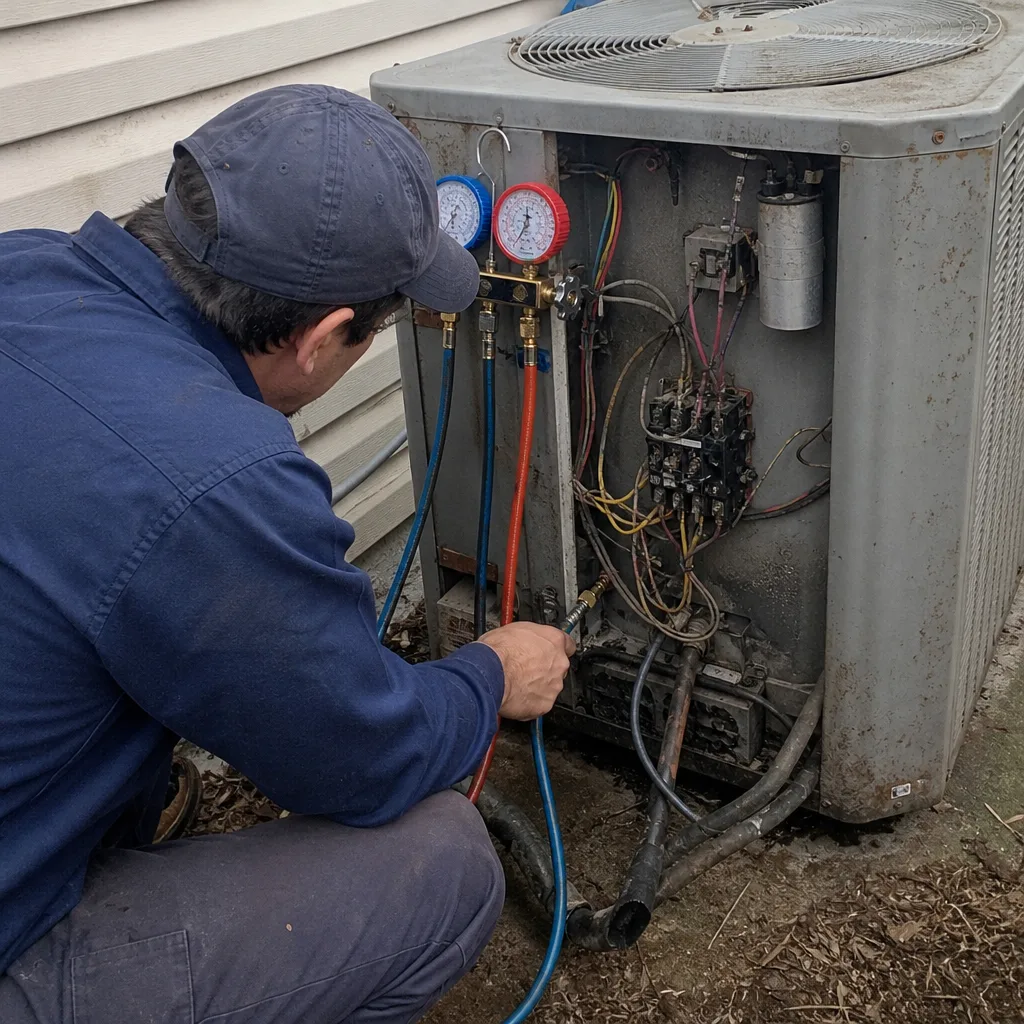
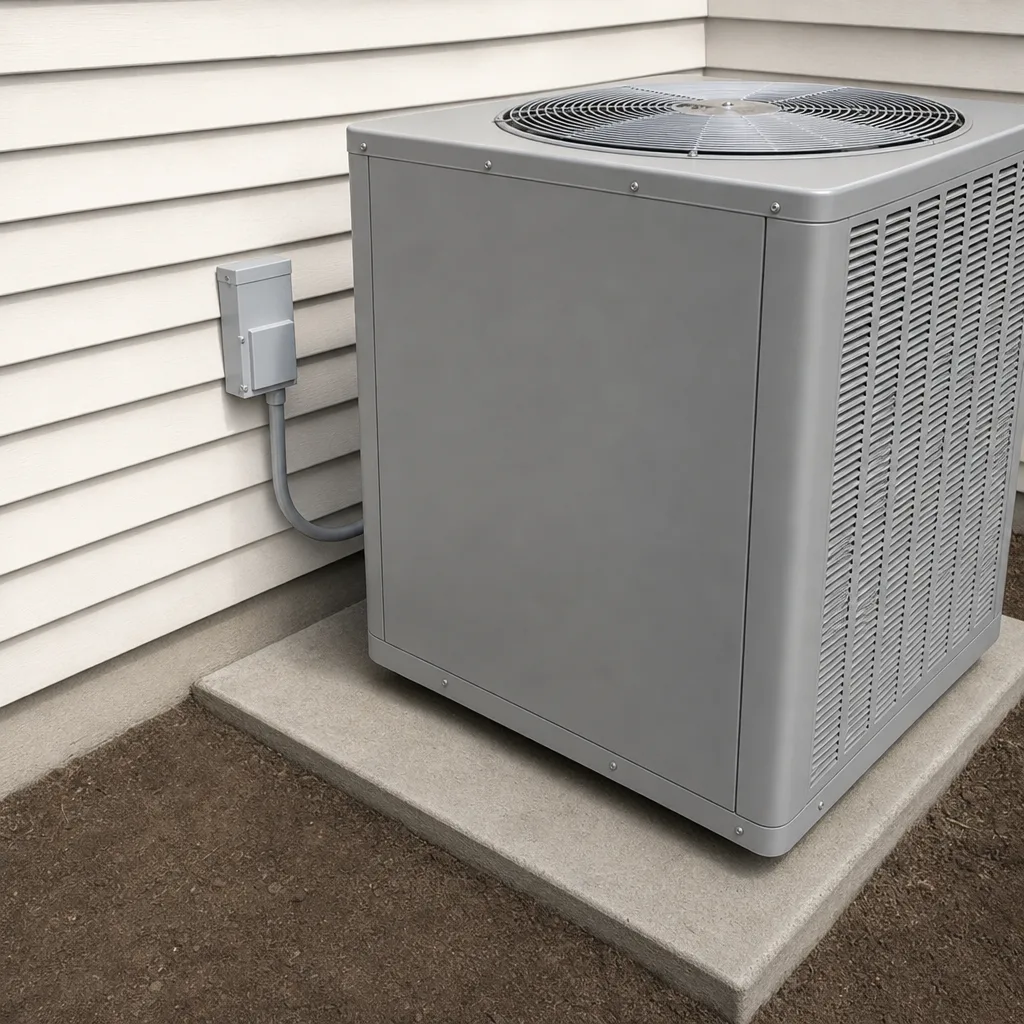
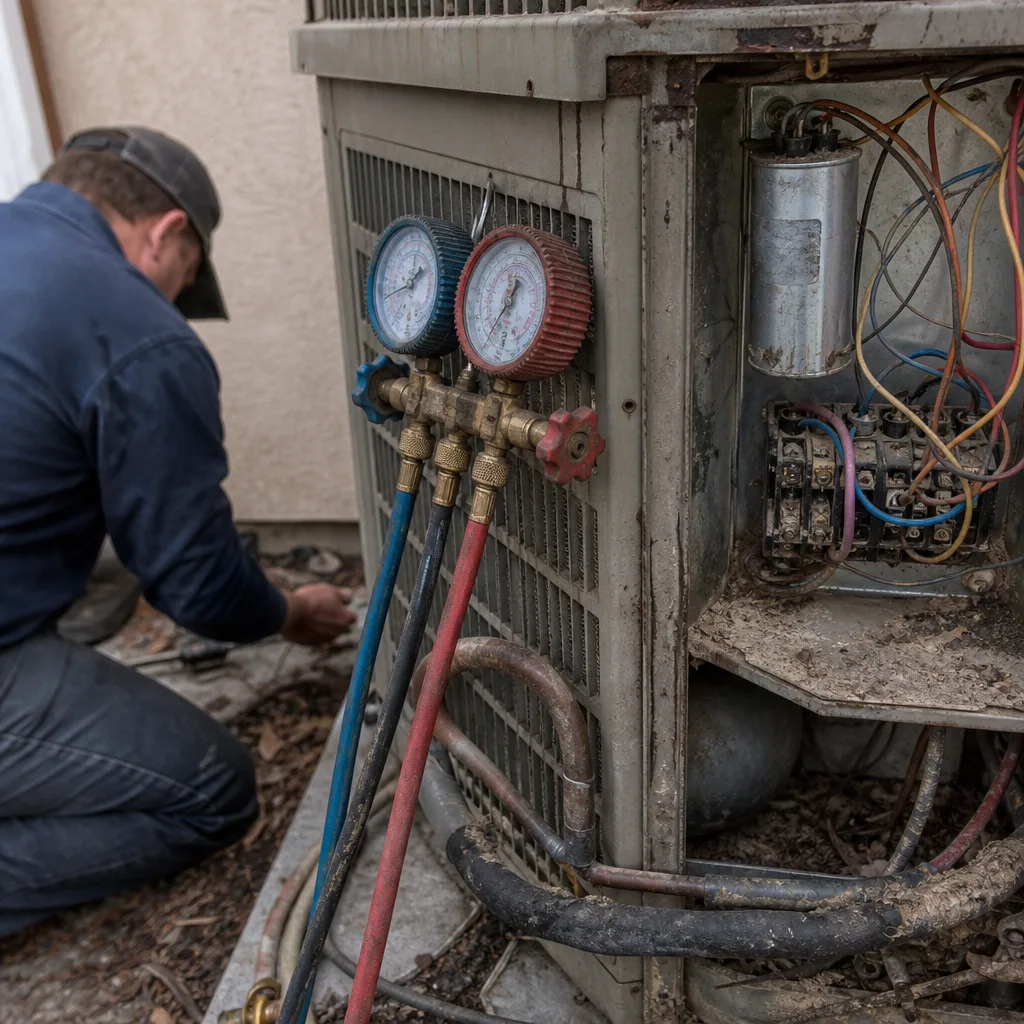
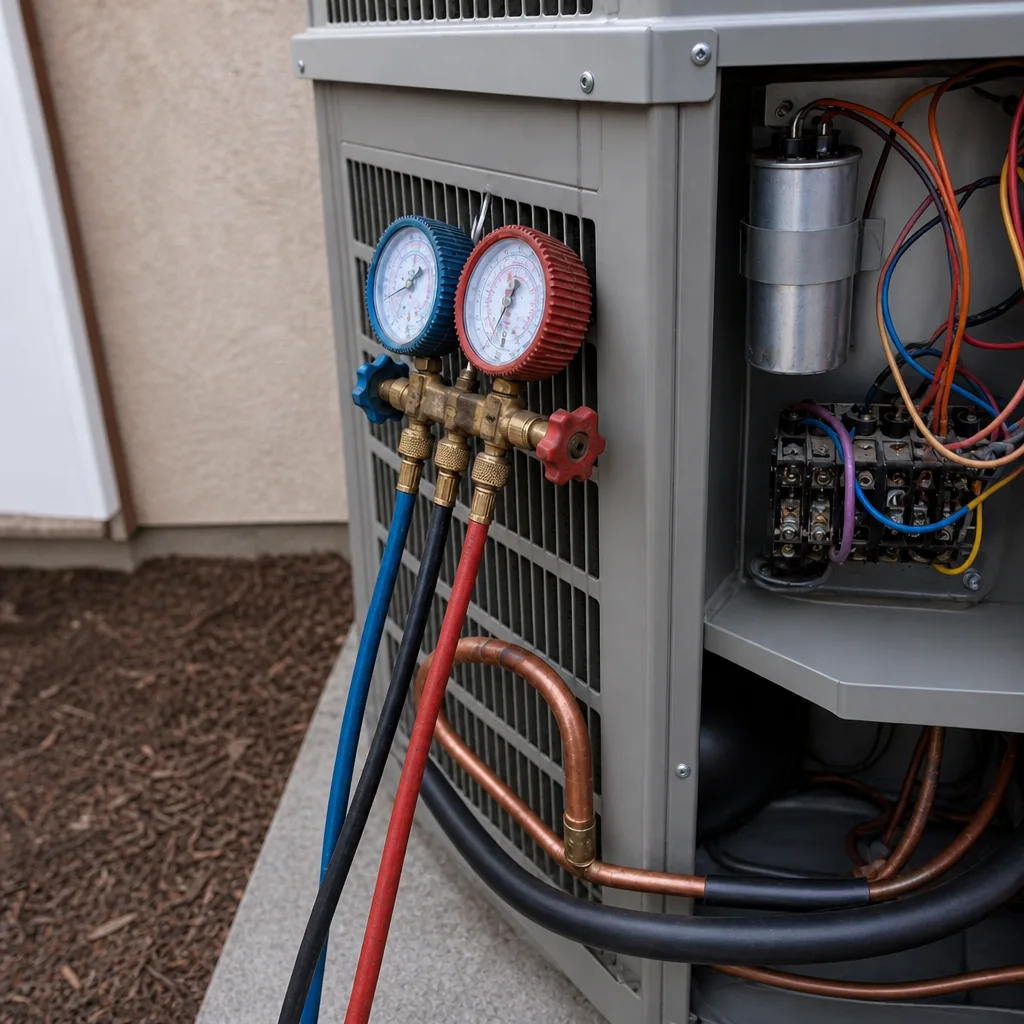
See the difference
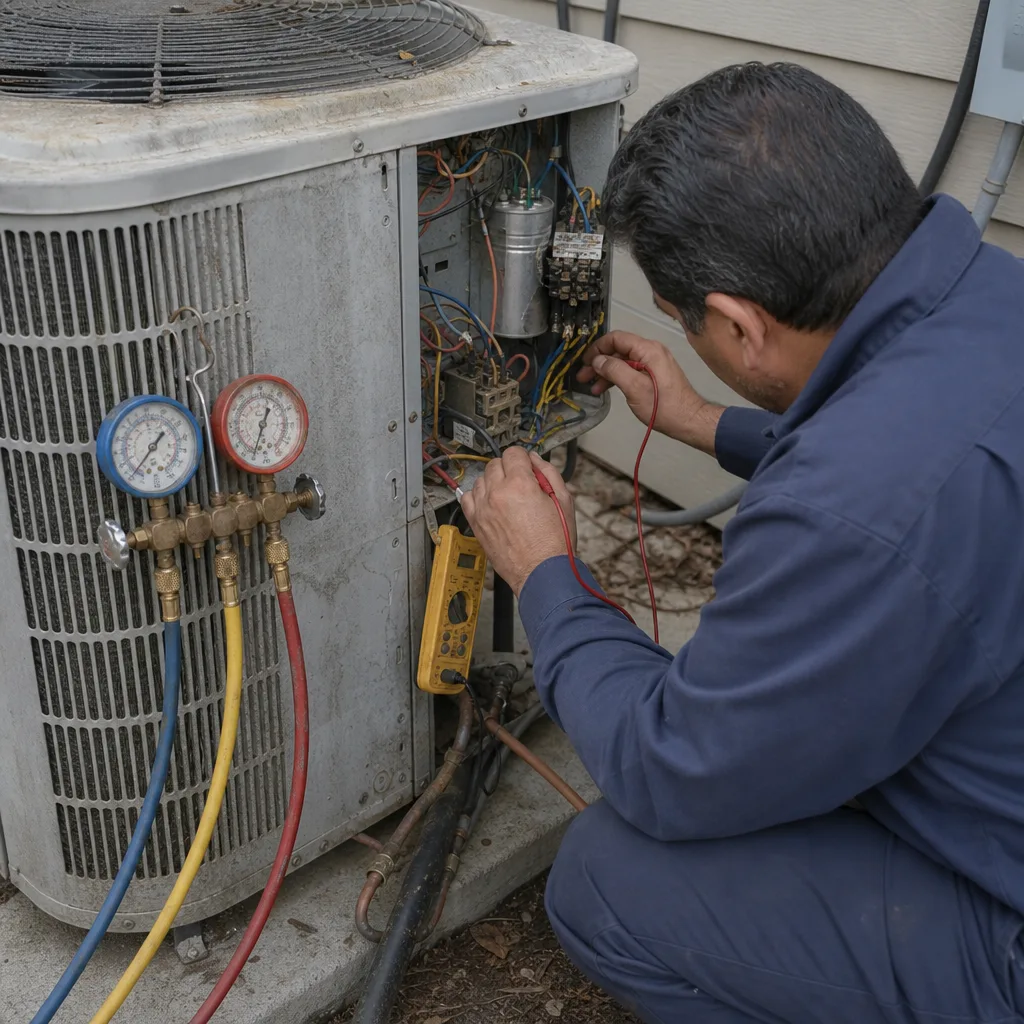 Before
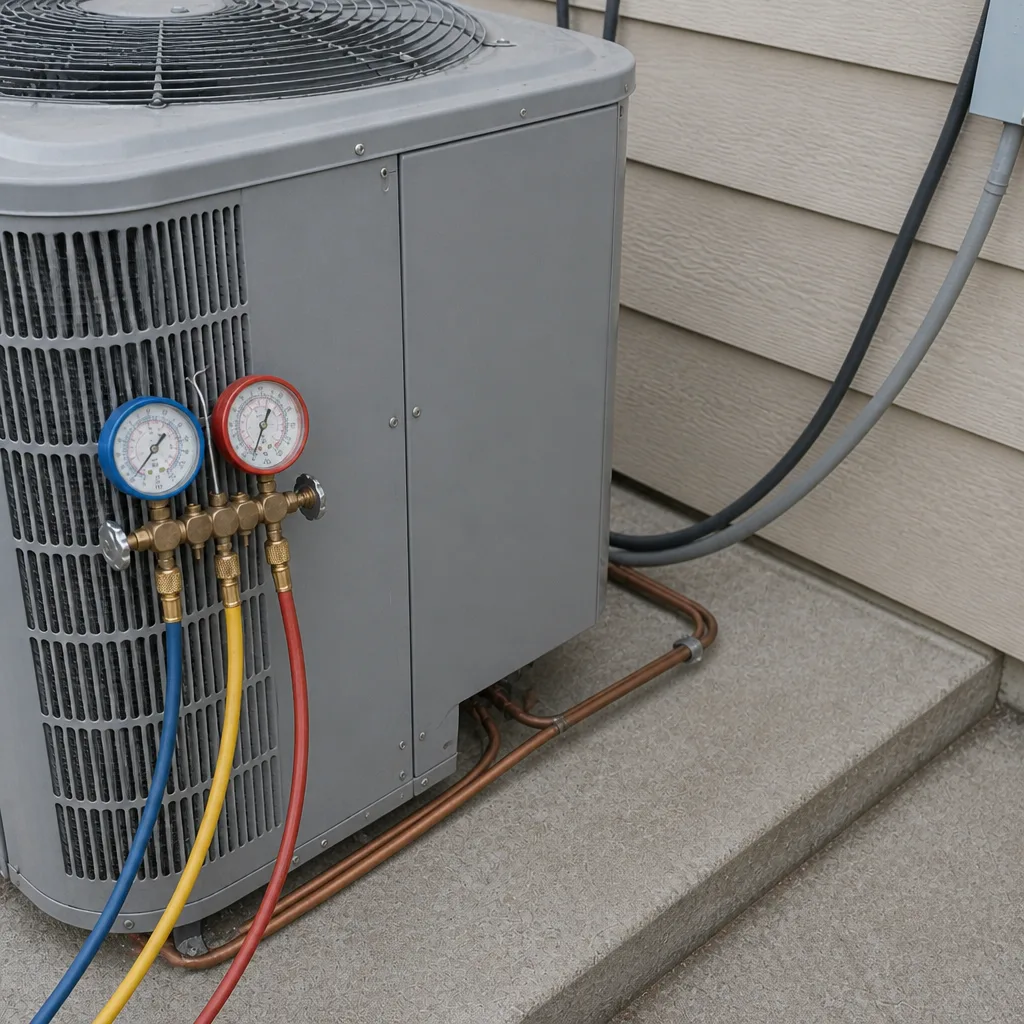 After
 Before
 After
 Before
 After
When to Call a Professional
Some things a homeowner can handle safely: swapping a filter, clearing debris from around the outdoor unit, and checking that the thermostat is set correctly. Everything past that deserves a trained technician. Refrigerant work requires handling pressurized systems and specific tools, and electrical components like capacitors hold a charge even after the power is off. A capacitor can deliver a painful or dangerous shock, and refrigerant handling is a regulated skill, so this is not a place for trial-and-error. Call a professional when the system won’t cool, blows warm, trips the breaker, leaks water, makes grinding or buzzing noises, or just isn’t cooling like it used to. AC Repair Whitney offers free estimates in Whitney. Call (888) 691-6715, and we’ll give you a straight diagnosis and a written estimate that sets the final price.
Frequently Asked Questions
Most AC repairs in Whitney are quoted per job based on what’s actually wrong, and the written estimate sets the final price. Common repairs like capacitors, contactors, and coil cleaning cost far less than compressor work, so the diagnosis is what drives the number. Call (888) 691-6715 for a free estimate on your specific system.
Your system runs far more hours per year in Whitney’s long, hot season, and dry dusty air fouls coils faster. That combination wears capacitors, contactors, and motors sooner than in a mild climate. It’s a function of duty cycle and dust, not a defective unit.
Same-day service is often possible for AC repair in Whitney, and we dispatch from 7am to 7pm, Sunday through Friday. When the system fails in peak heat, that’s a comfort and health concern, not just an inconvenience. Call (888) 691-6715 to check what’s available; we answer 24/7.
We work on the brand already in your home, including Carrier, Trane, Lennox, Goodman, Rheem, York, Daikin, Bryant, and American Standard. Because we’re brand-agnostic and AC-only, the recommendation is based on what fits your system, not on steering you toward a manufacturer. Call (888) 691-6715 for a free estimate.
More often than the national average suggests, because Whitney’s dry, dusty air fouls coils faster than humid climates do. A maintenance visit that includes real coil cleaning is compressor protection here, not a luxury. Call (888) 691-6715 to schedule an inspection.
It depends on what’s failing and how much runtime the system has left. A single routine part like a capacitor usually means repair; repeated failures or a compressor problem on an aging system often point toward replacement. We’ll give you a fast diagnosis and an honest recommendation with a written estimate either way. Call (888) 691-6715.
The Bottom Line
Whitney’s heat and dust reshape how air conditioners fail. Capacitors and fouled coils go first, slow refrigerant leaks follow, and the compressor is usually the last to go, protected or punished by how the cheaper parts were handled. The 90-day filter rule is too slow for this climate, and a repair that ignores coil and airflow conditions won’t survive a full high-load summer. Whether you’re facing a breakdown or planning ahead, the goal is a repair built for sustained high load, a maintenance routine that protects the expensive parts, and an honest recommendation about when replacement makes more sense. Repair, replace, or maintain, one call covers it. Reach out to AC Repair Whitney for free estimates and a straightforward diagnosis on the brand already in your home.
Ready to get your cooling sorted before the next heat stretch? Call (888) 691-6715 for a free estimate. We answer 24/7. Fast dispatch from 7am to 7pm, Sunday through Friday. You’ll get a fast diagnosis, an honest recommendation, and a written estimate that sets the final price.
Written by the team at AC Repair Whitney.