
Last updated November 17, 2026
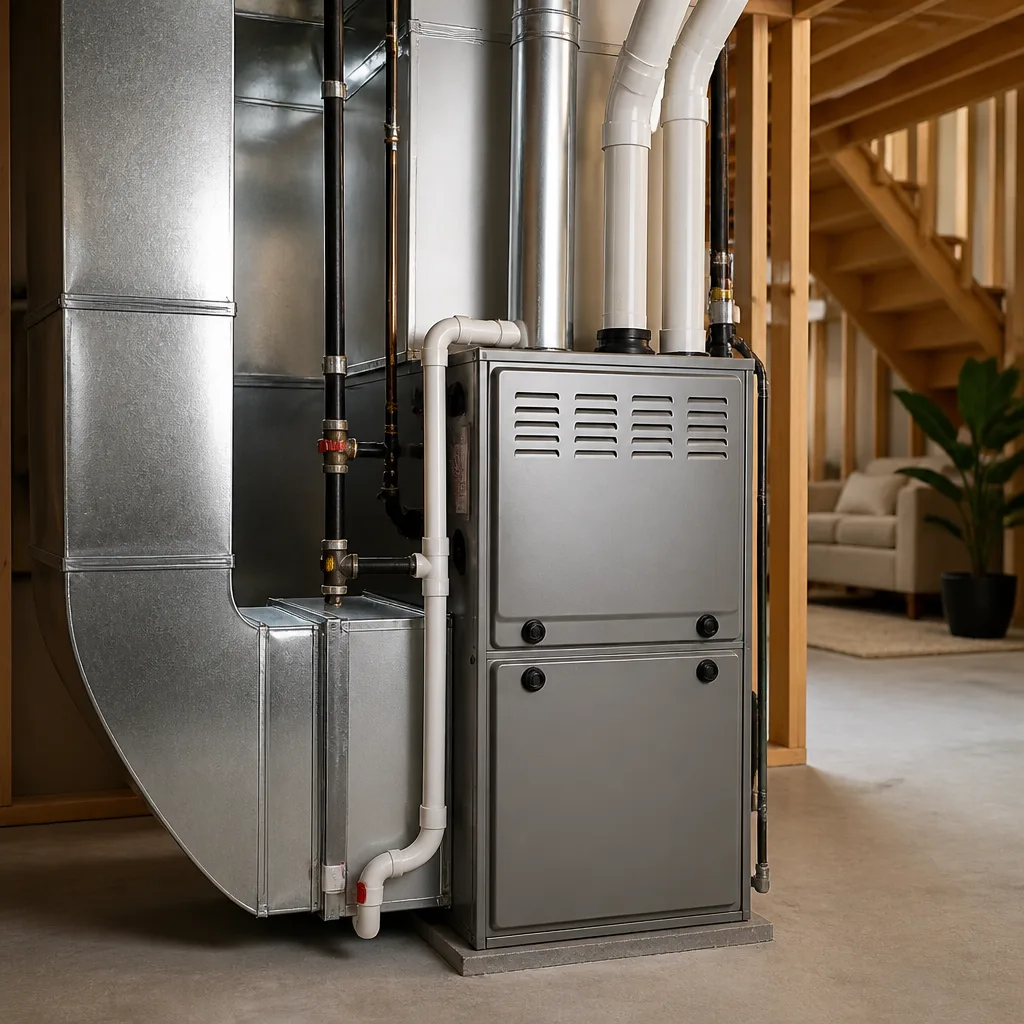 Furnace & heating
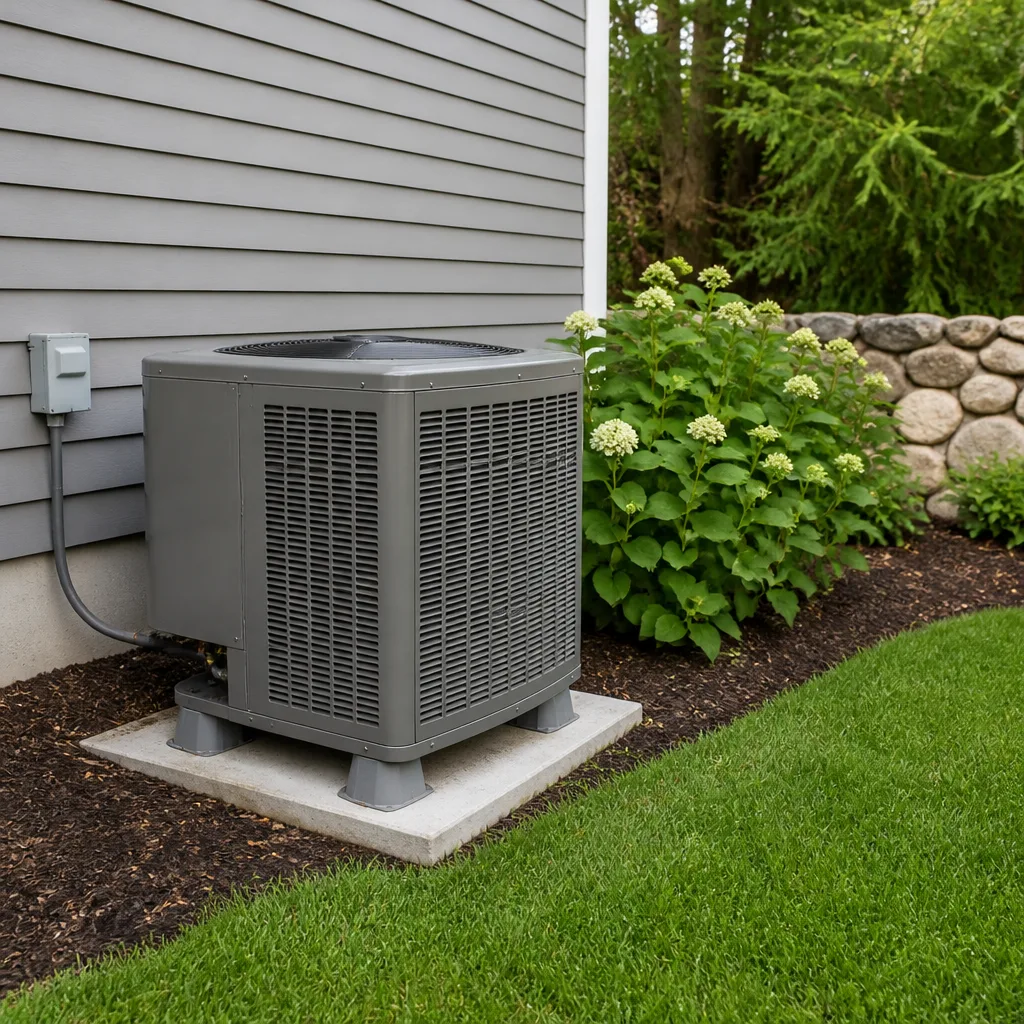 Heat pumps
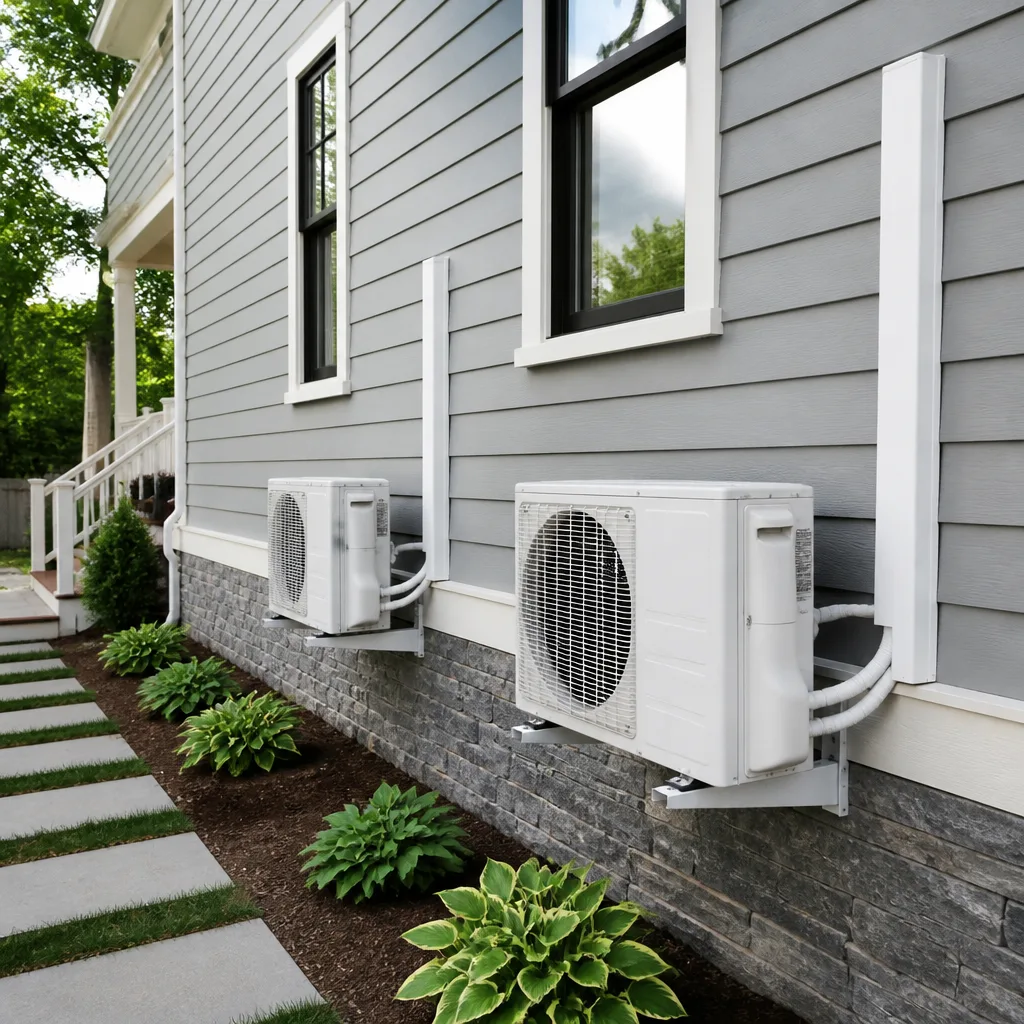 Ductless mini splits
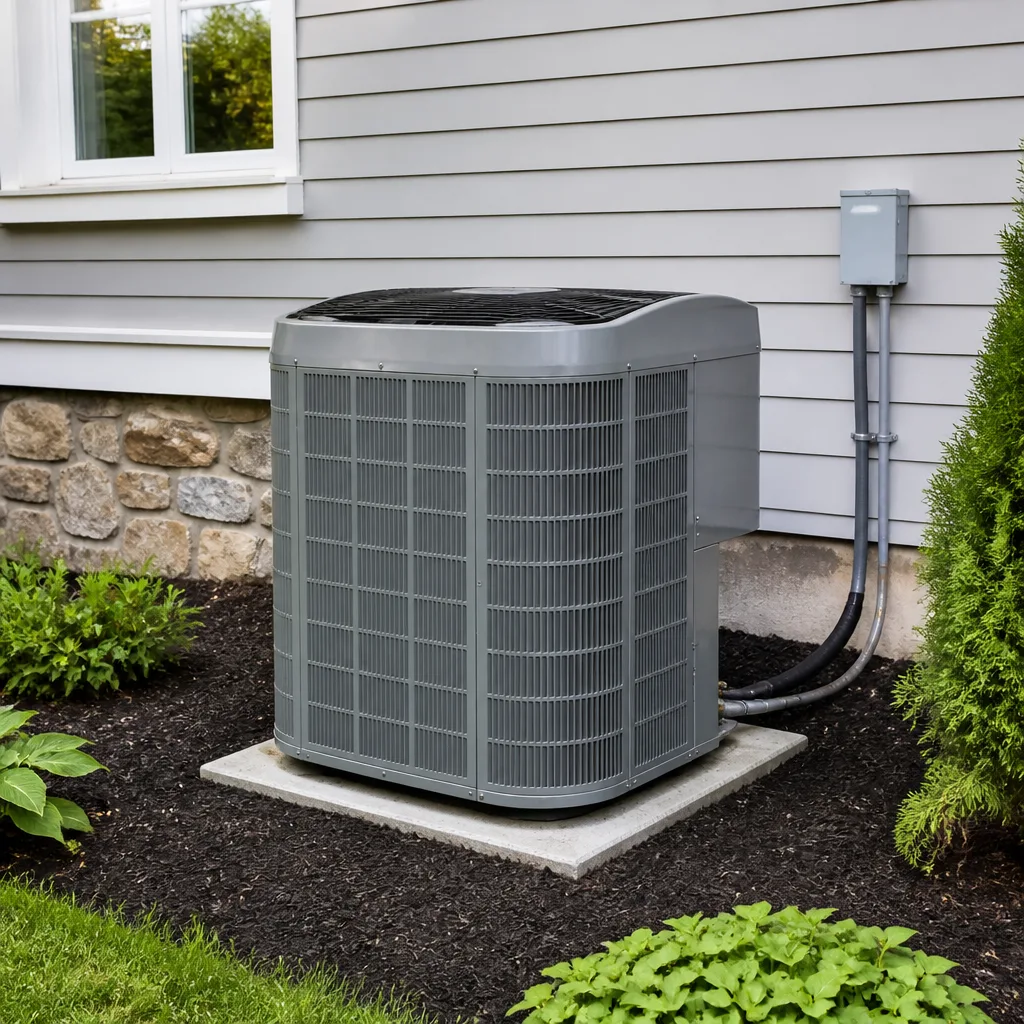 Carrier
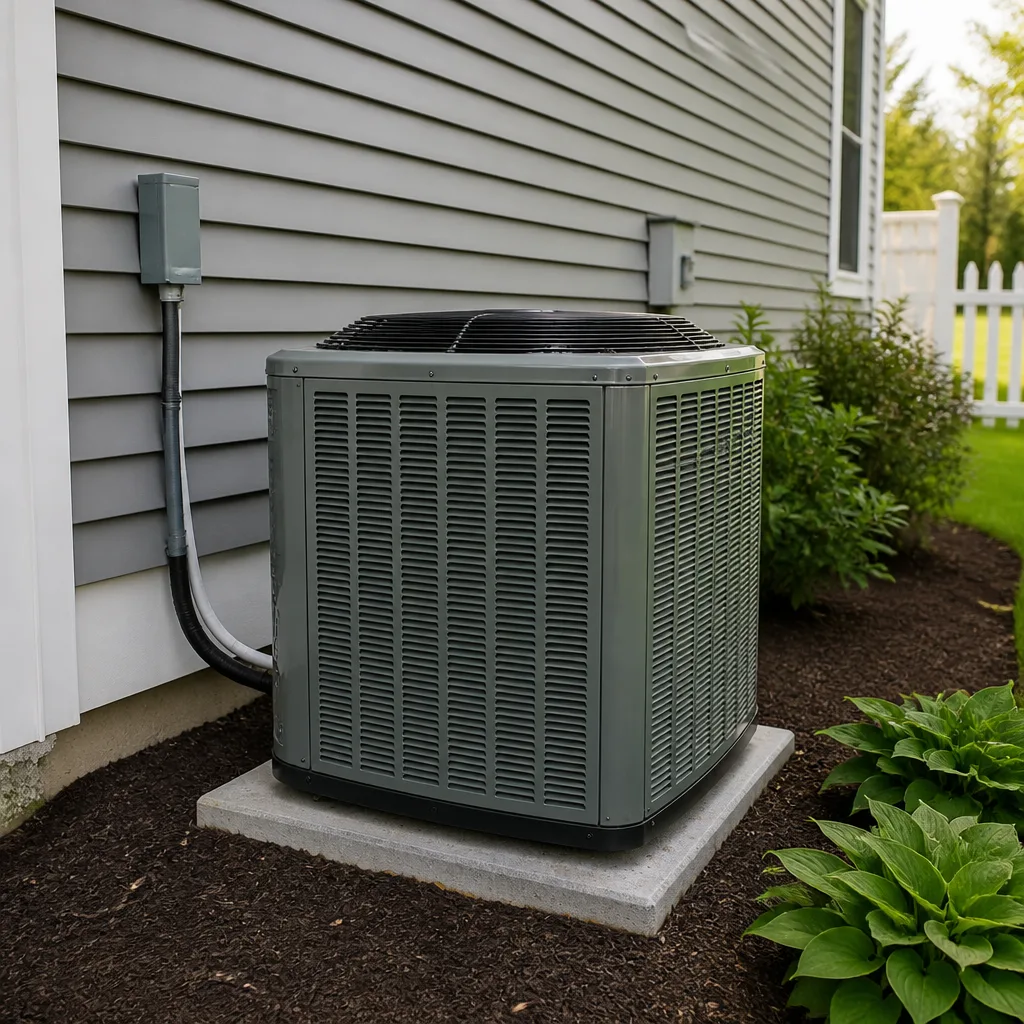 Trane
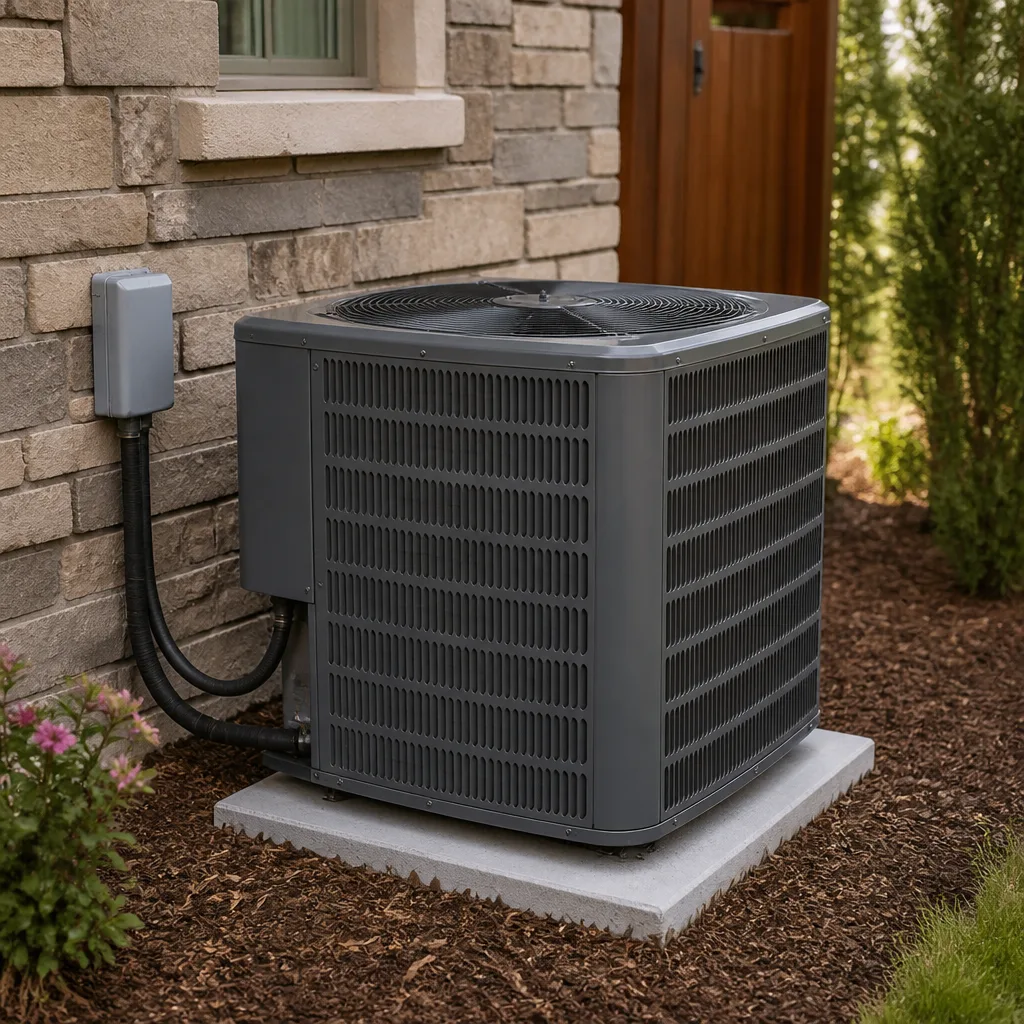 Goodman
Seasonal tune-up and full diagnostic on your Carrier, Trane, or Goodman system - readings shown to you before any repair is proposed
Diagnosis first, numbers second - you approve the repair price before a single part goes in.
Get your free estimateAC Repair Maintenance Checklist for Whitney Homeowners
Most AC maintenance checklists you’ll find online were written for an average climate, where a dirty coil or a tired capacitor is a slow annoyance. Whitney doesn’t do average. A clogged condenser coil that costs a Phoenix homeowner a little efficiency can, in Whitney’s summer heat, push discharge pressure high enough to trip the high-pressure cutout and leave you with a unit that’s doing nothing by mid-afternoon. The gap between “running fine” and “dead” is shorter here. That’s why this checklist is sequenced by urgency, not alphabetically, and split across pre-season, mid-season, and post-season instead of one annual dump of tasks. By the end you’ll know what to check yourself, what to watch but not touch, and which items actually matter most in the Whitney Valley heat.
Quick Answer
A solid AC maintenance routine in Whitney means three checkpoints a year, not one: a pre-season tune-up before peak heat, a mid-season inspection focused on dust build-up and electrical components, and a post-season check that catches wear before it fails next summer. The single most important task is keeping the condenser coil clean, because Whitney’s dust load clogs coils faster than any manufacturer’s default interval assumes. Filters need changing more often here too, and the electrical parts that start and run the compressor need a trained eye at least once a season.
Styles & brands we work with
- AC installation
- Furnace & heating
- Heat pumps
- Ductless mini splits
- Carrier
- Trane
- Goodman
Table of Contents
- Why Whitney Needs a Three-Checkpoint Schedule
- Coil Cleaning Intervals for Whitney’s Dust Load
- Refrigerant Readings at 105°F+ Ambient: What Normal Looks Like
- Capacitors and Contactors: Why They Fail Faster Here
- Filter Change Frequency Recalculated for Whitney Dust Season
- Pre-Season Tasks (Before the First Heat Wave)
- Mid-Season Tasks (Peak Summer)
- Post-Season Tasks (After the Heat Breaks)
Why Whitney Needs a Three-Checkpoint Schedule
Manufacturers publish generic maintenance intervals for equipment sold across the whole country. Those defaults assume moderate ambient temperatures and moderate dust. Whitney breaks both assumptions. Summer highs routinely sit well above 100°F, and the valley’s airborne particulate load coats a condenser coil in weeks, not months. When you combine high ambient heat with a partly blocked coil, the system works harder to reject heat it can’t shed, and every component in the cooling loop runs hotter than it was designed to.
That’s the reasoning behind splitting maintenance into three checkpoints:
- Pre-season (spring, before peak heat). The heaviest lift. Coil cleaning, electrical inspection, refrigerant charge verification, and airflow checks so the system enters summer at full capacity.
- Mid-season (deep summer). A lighter pass focused on the things Whitney heat stresses hardest: coil cleanliness again, capacitor and contactor condition, and drain line flow.
- Post-season (fall, after the heat breaks). Catch the wear and tear summer left behind so small problems don’t sit all winter and surprise you next June.
A single annual visit leaves too much unsupported time during the season that actually matters. A spring-only tune-up looks great in April and can be undone by July if the coil loads up. Whitney homeowners who treat maintenance as a seasonal rhythm instead of a checkbox get fewer mid-summer failures, and that’s the whole point.
If you’d rather not manage the schedule yourself, that’s what a proper AC Repair Whitney maintenance visit is for. Repair, replace, or maintain: one call covers it.
Coil Cleaning Intervals for Whitney’s Dust Load
In most of the country, pushing a year between condenser coil cleanings is reasonable. In Whitney, plan on cleaning the outdoor condenser coil at least twice during the cooling season and inspecting it once mid-way between cleanings. Dust and airborne particulate settle on the coil fins and form an insulating mat. Once that mat forms, the coil can’t reject heat, and the system compensates by running longer, hotter, and at higher head pressure.
What to check yourself, safely:
- Visual inspection. With the system off at the thermostat and the breaker, look at the outdoor coil fins from a foot or two away. A light grey film is early build-up. A matted, fuzzy or lint-covered surface means it’s overdue.
- Clear the perimeter. Keep at least two feet of clear space around the outdoor unit. Debris, stored items, or overgrown vegetation choking the airflow make coil loading worse.
- Check the fins for bent or crushed sections. Damaged fins block airflow just like dirt does. A fin comb can straighten minor bends, but badly crushed sections need professional attention.
What not to do: don’t spray a garden hose into the coil at full pressure from the inside out unless you know the coil orientation and the fin direction, and don’t use household cleaners that can corrode the aluminum. Coil cleaning done wrong can bend fins and reduce performance more than the dirt did. That’s why we recommend professional coil cleaning at the pre-season and mid-season checkpoints, with a homeowner visual inspection in between.
In our experience across the nine major brands we service (Carrier, Trane, Lennox, Goodman, Rheem, York, Daikin, Bryant, and American Standard), coil design and fin density vary enough that cleaning technique should match the equipment. A Trane condenser and a Goodman condenser don’t want the same approach. Knowing the equipment in the home before touching it is half of doing it right.
Refrigerant Readings at 105°F+ Ambient: What Normal Looks Like
This is the section most checklists skip, and it’s the one that matters most for a technician diagnosing a system in Whitney heat. Refrigerant charge is verified by measuring subcooling and superheat, and the target values shift as ambient temperature climbs. A reading that looks perfect on a 90°F afternoon can look wrong at 108°F, and a technician who doesn’t adjust for ambient will either overcharge the system or miss a real problem.
Here’s the plain-language version homeowners should understand:
- Subcooling is how much the liquid refrigerant cools below its condensing temperature before it leaves the outdoor coil. It tells the technician whether the system has enough refrigerant on the liquid side.
- Superheat is how much the vapor refrigerant warms above its boiling point before it reaches the compressor. It tells the technician whether the system has enough refrigerant on the vapor side and whether the metering device is working correctly.
- At high ambient temperatures, the condensing temperature climbs, and the expected subcooling and superheat targets move with it. Manufacturer charging charts account for this. A diagnosis that ignores ambient is a diagnosis you can’t trust.
What “normal” looks like on a Whitney roof in August is not the same as what normal looks like in a mild-climate market. If a technician charges your system by pressure alone on a 110°F day, that’s a red flag. Proper charge verification uses subcooling and superheat alongside the manufacturer’s charging chart, and it takes time. Refrigerant work is also not a homeowner task. Handling refrigerant requires certification and the wrong charge level can destroy a compressor. Leave this one to a trained professional.
Capacitors and Contactors: Why They Fail Faster Here
Capacitors and contactors are the two electrical components that fail most often in desert heat, and they fail faster in Whitney than in cooler markets. A capacitor stores and releases the electrical energy that starts and runs the compressor and condenser fan motor. A contactor is the relay that switches power to the outdoor unit. Both live in the outdoor cabinet, where under a Whitney sun the internal temperature can run well above the ambient air temperature.
Heat accelerates the chemical aging of capacitor dielectrics and the pitting of contactor points. A capacitor that would last several seasons in a moderate climate can weaken in a fraction of that time under sustained heat. When a capacitor weakens, the compressor and fan start harder, draw higher current, and run hotter, which shortens the life of the compressor itself.
What a homeowner can safely observe (never touch):
- Listen at startup. A compressor or fan that’s slow to start, hums before kicking in, or makes a clicking sound is worth mentioning to your technician.
- Watch for short cycling. A system that starts and stops repeatedly may have a failing contactor or a weak capacitor.
- Note intermittent failures. A unit that trips the breaker, or works in the morning but fails in peak heat, often points to a weakened electrical component.
Do not open the electrical panel of the outdoor unit yourself. Capacitors can hold a dangerous charge even after power is shut off, and the components inside are lethal if mishandled. This is a trained-professional task, full stop. On a pre-season or mid-season visit, a technician can test capacitor microfarads and inspect contactor points, replacing a weak part before it takes the compressor down with it.
Filter Change Frequency Recalculated for Whitney Dust Season
The standard advice is to change your return-air filter every 90 days. In Whitney, 90 days is too long for most homes during dust season. Airborne particulate here loads filters faster, and a dirty filter starves the system of airflow, which drives up coil temperature, reduces cooling, and forces the blower to work harder. A clogged filter is one of the most common causes of a system that “just isn’t cooling” in mid-summer.
Recalculated for Whitney, plan on:
- Every 30 days during dust season and peak summer, especially if you run the system most of the day.
- Every 60 days during the milder stretches of the year, when the system runs less and air is cleaner.
- Sooner if you can see it. Hold the filter up to a light. If you can’t see light through it, it’s done, regardless of the calendar.
Use the filter your system was designed for. A high-MERV filter sounds like a good idea, but a restrictive filter on a system built for a lower-MERV filter can choke airflow and cause its own problems. If you’re unsure which filter your unit expects, that’s a good question to ask during a maintenance visit. Keeping the right filter clean and changed on a Whitney schedule protects the whole system, including the evaporator coil inside, which you can’t see and don’t want to pay to clean.
Pre-Season Tasks (Before the First Heat Wave)
The pre-season visit is the most important of the three, because once the heat arrives, everything downstream is harder. A system that enters summer at full capacity tolerates the mid-season dust load much better than one that started behind. Here’s what a proper pre-season pass covers:
- Thermostat and controls check. Confirm the thermostat commands cooling correctly and that the setpoint holds.
- Condenser coil cleaning. The outdoor coil comes clean first, because everything else depends on it.
- Electrical inspection. Capacitor microfarad testing, contactor point inspection, and a check for loose connections and burnt wiring.
- Refrigerant charge verification. Subcooling and superheat measured against the manufacturer’s chart, adjusted for ambient.
- Airflow and blower check. Filter condition, blower wheel cleanliness, and static pressure if the system is struggling to move air.
- Drain line and pan check. Confirm condensate drains freely and there’s no standing water or algae build-up.
- Evaporator coil inspection. A dirty indoor coil is invisible air blockage, and it can only be checked properly by a technician.
Notice that coil cleaning sits high on the list before refrigerant or electrical, because a clogged coil skews every diagnostic downstream of it. If you’re a Whitney homeowner with an aging system, a pre-season visit is also the natural moment to get a straight read on whether the unit is a good candidate for continued repair or worth planning a replacement around. A technician who knows the equipment, in this case brands like Trane, Lennox, and Rheem as much as any of the other major names, can tell you without turning it into a sales pitch.
Mid-Season Tasks (Peak Summer)
Mid-season is when Whitney’s conditions do their heaviest testing. The system is running long hours, the coil is reloading with dust, and the electrical components are taking the full heat load. The mid-season pass is shorter than the pre-season one but catches the problems the pre-season visit couldn’t have predicted.
- Second condenser coil clean. This is the big one. By mid-summer the coil has accumulated weeks of particulate, and cleaning it restores the heat rejection the system needs to survive the rest of the season.
- Capacitor and contactor recheck. Heat-stressed electrical parts can degrade fast. A quick test in July can catch a weakening capacitor that was fine in April.
- Filter swap. If the homeowner has been on a 30-day schedule, the technician can confirm the pattern is holding. If not, mid-season is the moment to catch up.
- Drain line flow. High cooling demand means high condensate volume. A slow or clogged drain line can overflow and damage the pan or the surrounding area.
- Airflow recheck. Any new restriction (a dirty filter, a partially blocked return, a developing coil issue) shows up in static pressure and temperature split.
If the unit is short-cycling, tripping the breaker, or failing specifically in the hottest part of the afternoon, a mid-season visit is the right response. Those are the symptoms of electrical or charge problems that heat amplifies, and they get worse, not better, if left alone. Fast diagnosis, honest recommendation – that’s a mid-season diagnostic in a nutshell.
Post-Season Tasks (After the Heat Breaks)
The post-season pass is the one homeowners skip, and it’s the reason next summer’s pre-season visit finds so many surprises. Once the heat breaks, the system has just finished its hardest stretch of work. Wear accumulated during that stretch doesn’t fix itself over the cooler months.
- Full inspection of the electrical components. Any capacitor or contactor that took a beating during the season gets tested and, if weak, replaced now.
- Evaporator and drain inspection. Confirm the indoor coil and pan are clean and dry, and that no algae or sludge has started in the drain path.
- Outdoor unit condition check. Look for debris, pest intrusion, or coil damage that developed over the season. Clean the coil before the unit sits for the cooler months.
- Document findings for next spring. A good maintenance visit produces a written report of what was found and what needs attention. That report sets the agenda for the pre-season visit.
Post-season inspections are also the best time to make a planned replacement decision. If a Whitney system is on its last legs, having that conversation in fall gives you time to plan around a new AC installation rather than making the call in a hurry during a July failure. A system replacement is load-calculated and scheduled, so planning ahead is always the calmer route.
Common Mistakes to Avoid
- Running one annual tune-up in a three-season climate. A spring-only service looks thorough in April and leaves the whole of peak heat unmonitored. In Whitney, the mid-season and post-season checkpoints carry real weight.
- Changing filters on the national 90-day schedule. Whitney’s dust load makes 90 days too long for most homes during the cooling season. A filter that’s visibly loaded is overdue even if the calendar says otherwise.
- Hosing down the condenser coil with a pressure nozzle. High pressure bends fins and drives dirt deeper into the coil. Coil cleaning is a technique, not a spray-and-pray job.
- Charging refrigerant by pressure alone in high heat. Subcooling and superheat targets shift as ambient climbs. A technician who doesn’t account for the conditions in Whitney can misdiagnose or overcharge a system.
- Opening the electrical panel to “check the capacitor.” Capacitors hold a dangerous charge and the components inside the cabinet are lethal if touched wrong. Observation is fine; touching is not.
- Skipping the post-season visit. Wear accumulates over summer and gets discovered in spring, right when you need the system most. A fall inspection catches it early.
- Letting the coil perimeter get choked. Storing things against the outdoor unit, or letting plant growth creep in, makes dust loading worse and starves the coil of airflow. Leave the two-foot clear zone intact.
See the difference
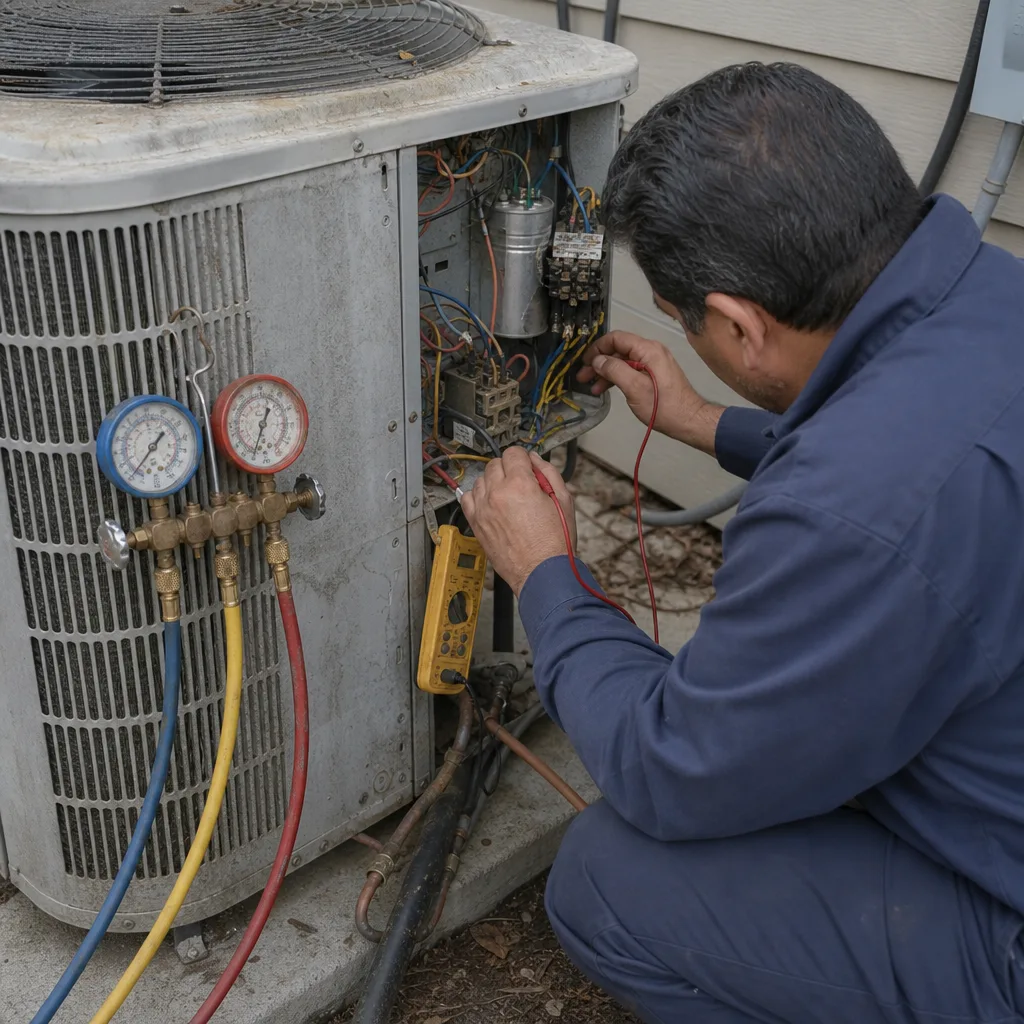 Before
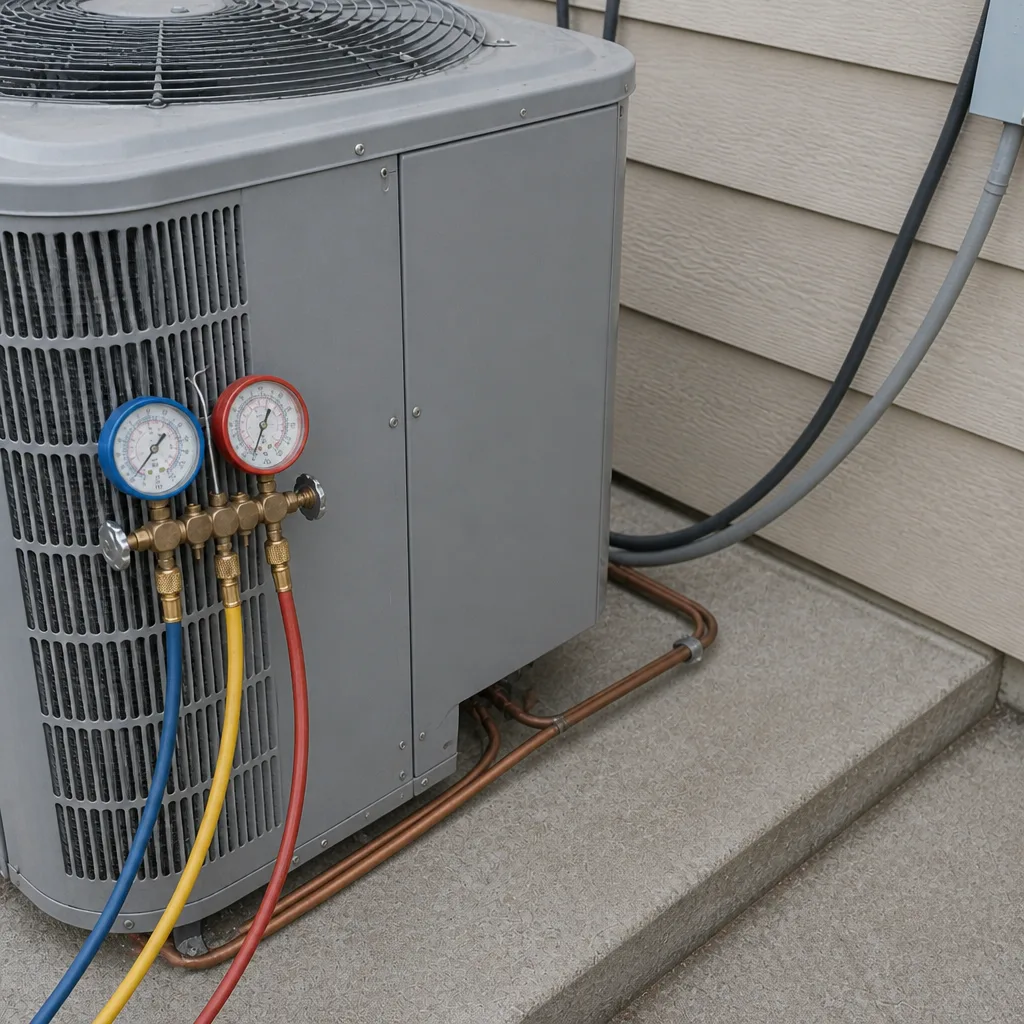 After
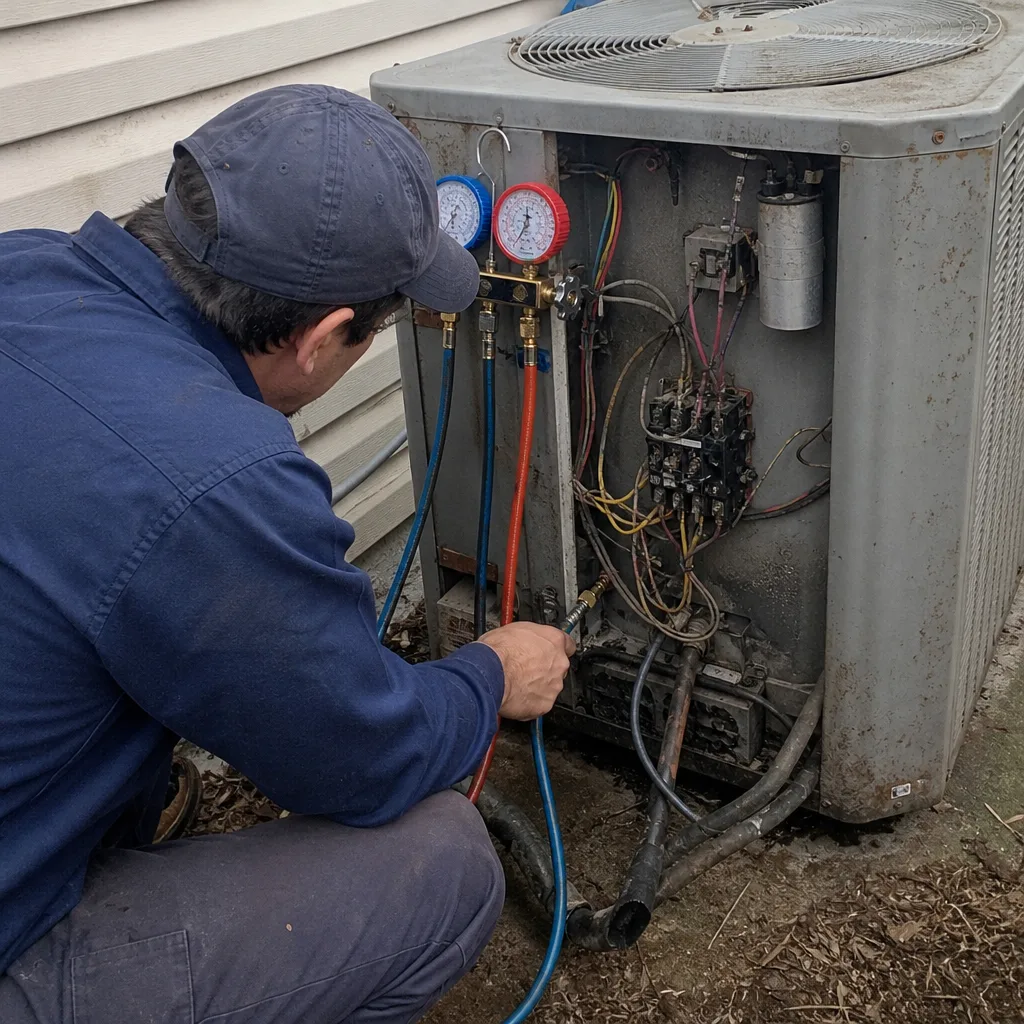 Before
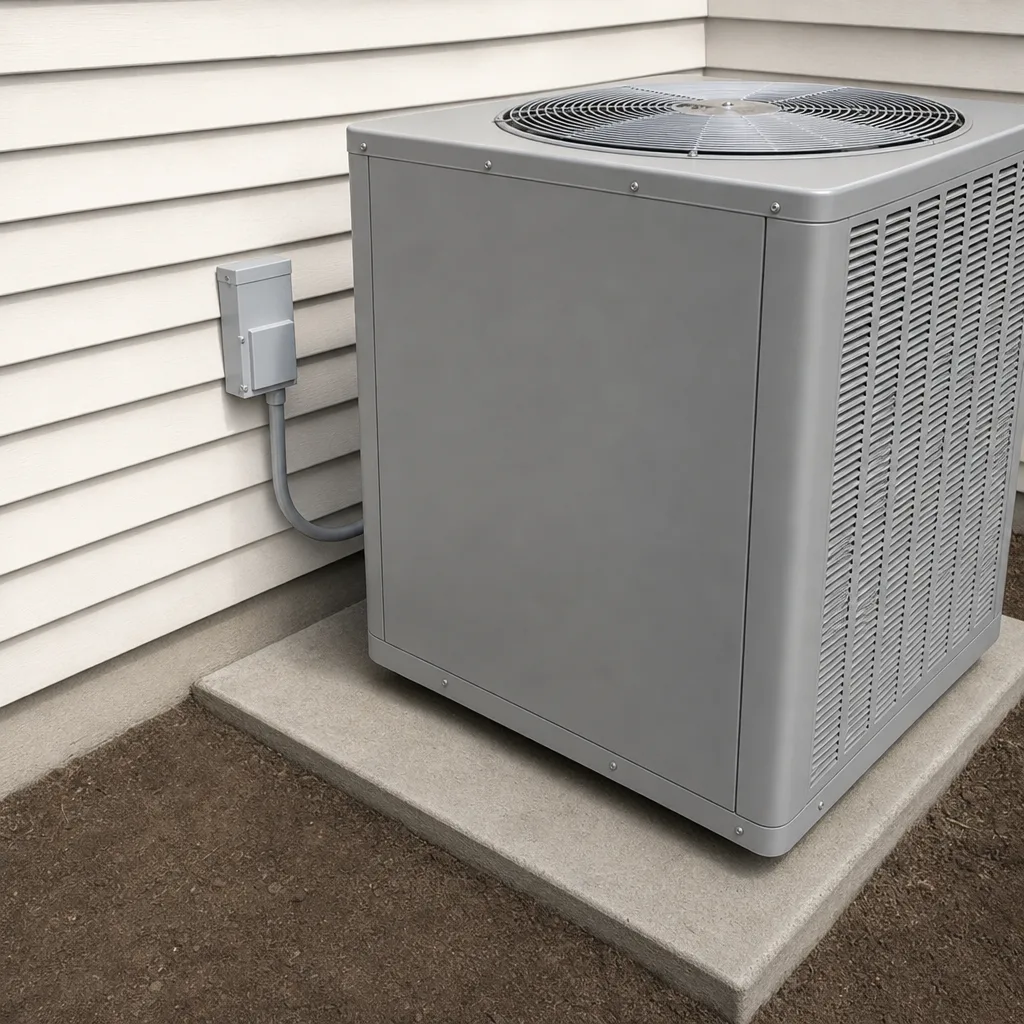 After
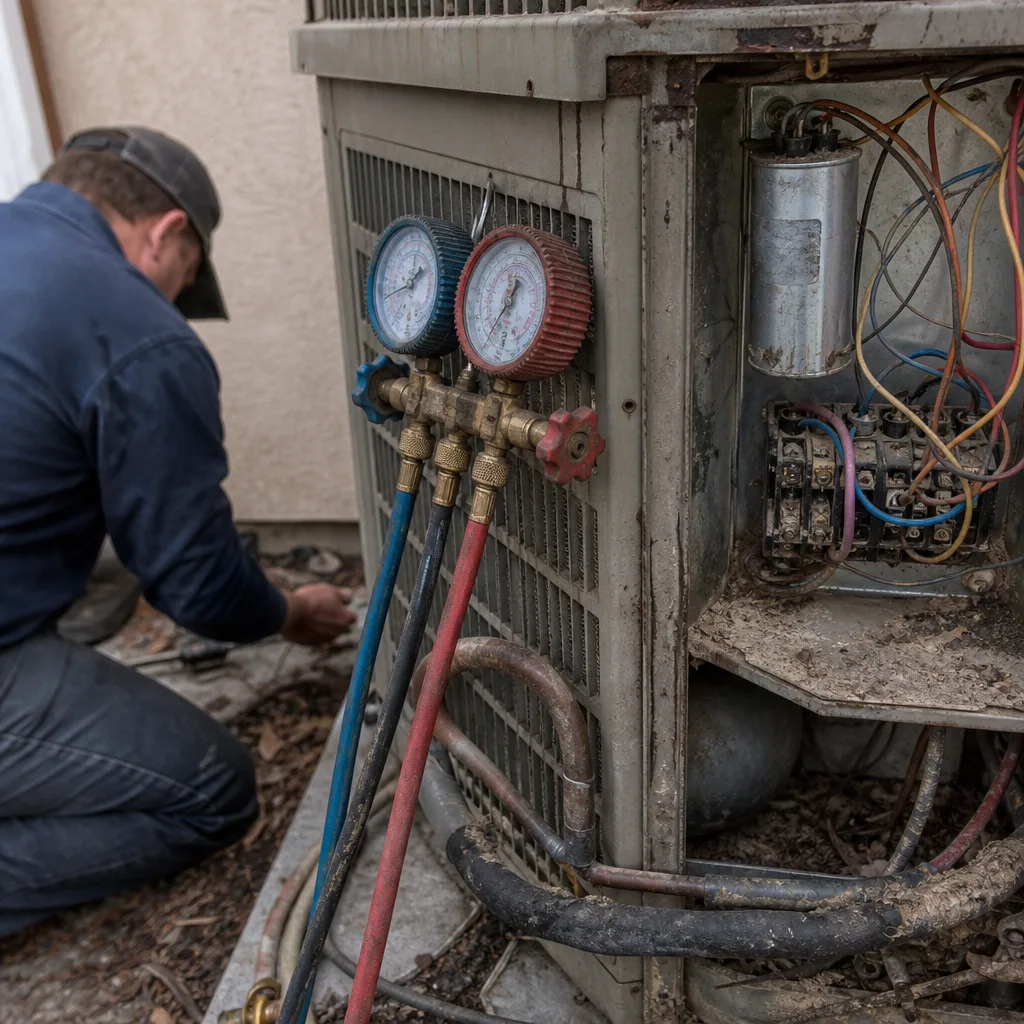 Before
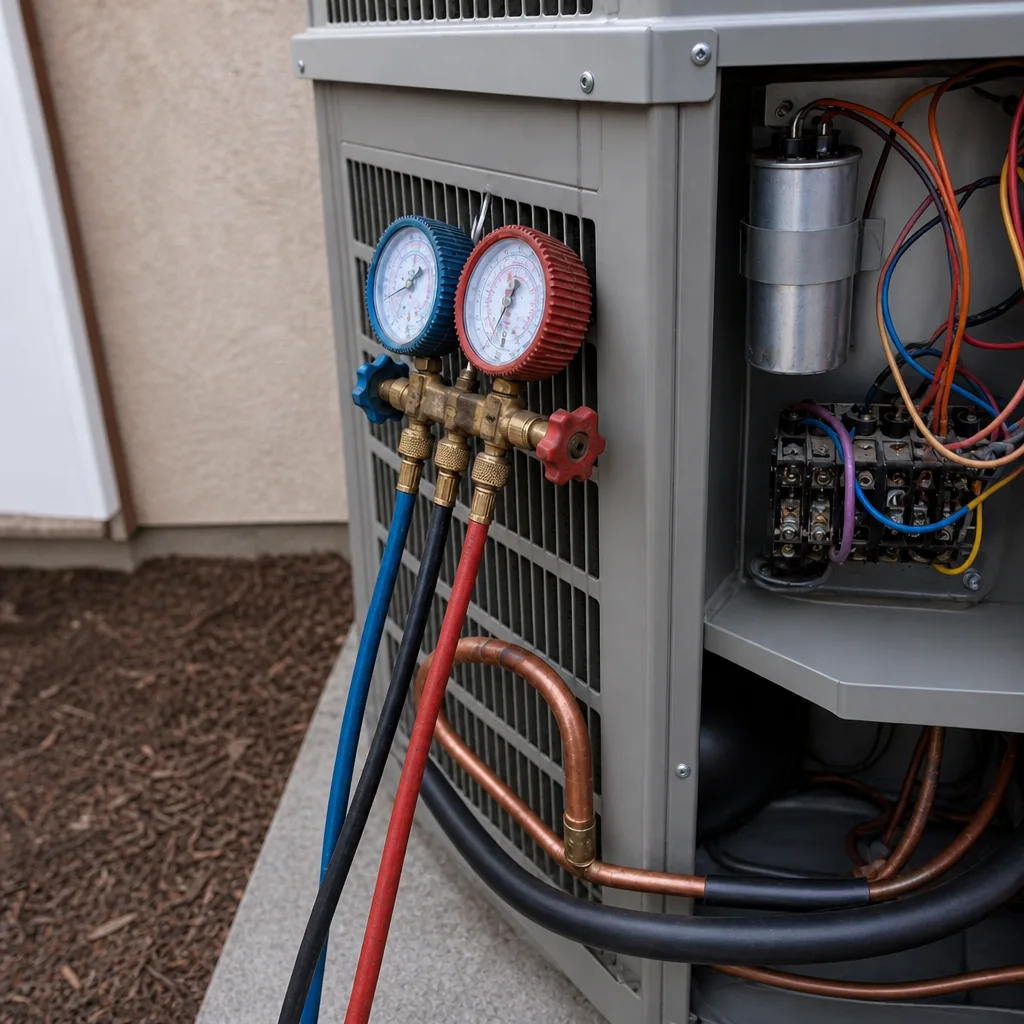 After
When to Call a Professional
Some of this checklist is genuinely a homeowner’s work: changing filters, keeping the outdoor unit clear, and noting symptoms. But the parts that actually keep a Whitney system alive – coil cleaning, refrigerant charge verification, capacitor and contactor testing, and evaporator inspections – are professional work for good reasons. Call when the unit short-cycles, trips the breaker, runs hot at peak, or shows a slow startup. Call when the system hasn’t had a proper pre-season tune-up and the heat is already here. And call when you’re not sure whether a repair still makes sense, because a straight diagnostic beats guessing. AC Repair Whitney offers free estimates in Whitney: call (888) 691-6715 and we’ll sort out what the system actually needs.
Frequently Asked Questions
Three times a year is the right rhythm for Whitney: once in spring before peak heat, once mid-summer, and once after the heat breaks. Whitney’s dust load and sustained high temperatures stress a system faster than the national one-visit-a-year default assumes, so splitting maintenance across the season keeps the equipment at full capacity when it matters most.
Plan on every 30 days during dust season and peak summer, and every 60 days in the milder stretches. Whitney’s airborne particulate loads filters faster than the standard 90-day advice accounts for, and a clogged filter is one of the most common causes of weak cooling. If you can’t see light through the filter, change it now. Call (888) 691-6715 if you’re unsure which filter your system wants.
Heat ages the dielectric inside a capacitor and pits the points inside a contactor, and both components sit in the outdoor cabinet where internal temperatures climb well above ambient on a Whitney summer day. A weakened capacitor makes the compressor and fan work harder at startup, which can shorten the compressor’s life. A technician can test capacitor microfarads and inspect contactor points during a seasonal visit.
You can safely inspect it and keep debris clear, but leave the actual cleaning to a professional. Hosing a coil at high pressure bends fins and drives dirt deeper, and cleaning technique depends on the coil’s design. We recommend professional coil cleaning at the pre-season and mid-season checkpoints, with homeowner visual inspections in between.
Subcooling and superheat targets shift as ambient temperature climbs, so what’s normal at 105°F or higher is not what’s normal at 90°F. Proper charge verification uses subcooling, superheat, and the manufacturer’s charging chart, adjusted for the ambient conditions in Whitney. A diagnosis based on pressure alone in high heat is one you shouldn’t trust. Call (888) 691-6715 for a proper charge check.
It comes down to how much of the system’s life is left and what the repair actually costs against a replacement. A pre-season or post-season inspection gives you the information to decide without pressure. If the equipment is old and the repair is significant, planning a replacement around a new AC installation is calmer than waiting for a failure. Call (888) 691-6715 for a straight read on your options.
The Bottom Line
Maintenance in Whitney is not about following a generic checklist from a mild-climate manufacturer’s manual. It’s about recognizing that dust and sustained heat compress the window between “fine” and “failed,” and sequencing the work accordingly. Clean the coil at least twice a season, change the filter on a Whitney schedule instead of a national one, and have capacitor and contactor condition checked at the pre-season and mid-season points. Split the rest across pre-season, mid-season, and post-season so nothing important goes unattended during the months that count. If you’d rather have one specialist handle the whole rhythm, that’s exactly what we do.
For maintenance, repair, or a full replacement plan in Whitney, call (888) 691-6715 for a free estimate. We answer 24/7. Fast dispatch from 7am to 7pm, Sunday through Friday. Technicians have up to 8 years of experience on the brands already in your home, and AC is all we do. See our AC repair and Whitney service pages for more detail.
Written by the team at AC Repair Whitney.