
Last updated November 17, 2026
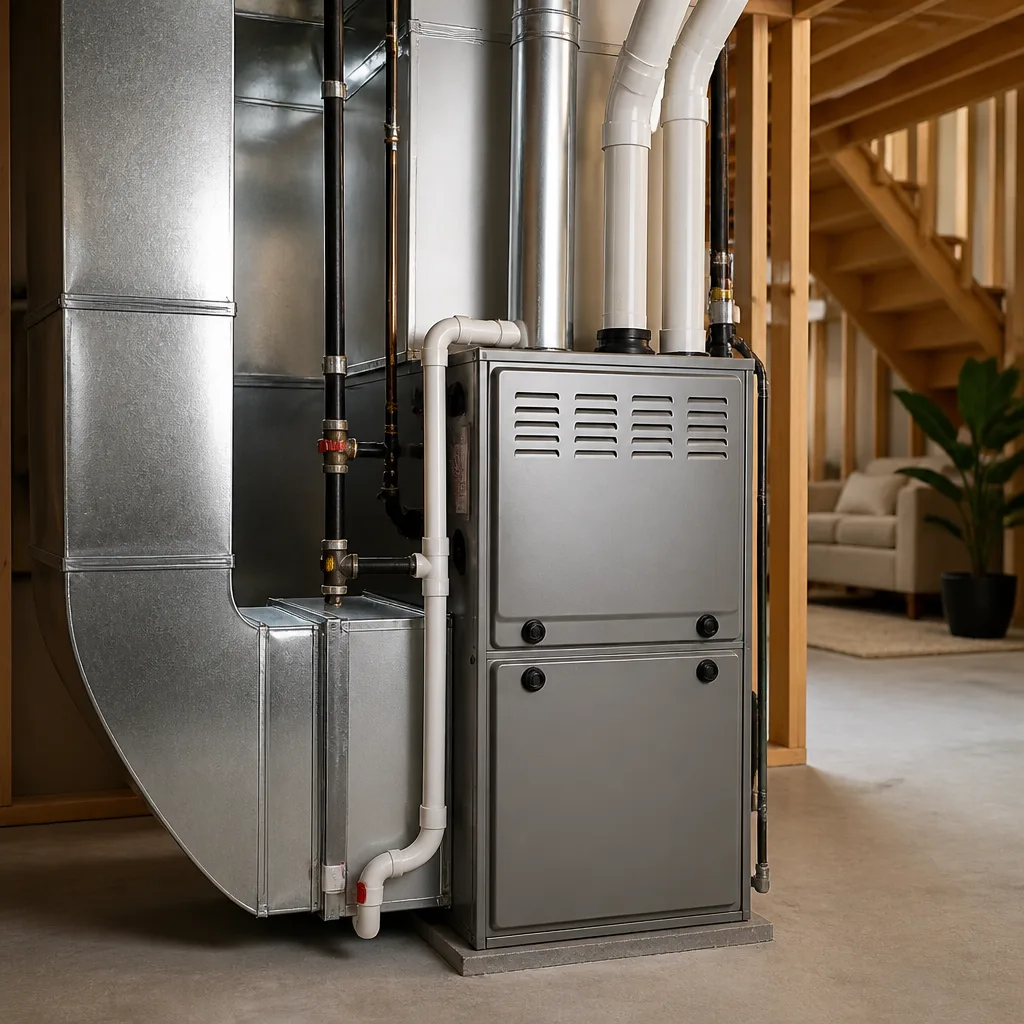 Furnace & heating
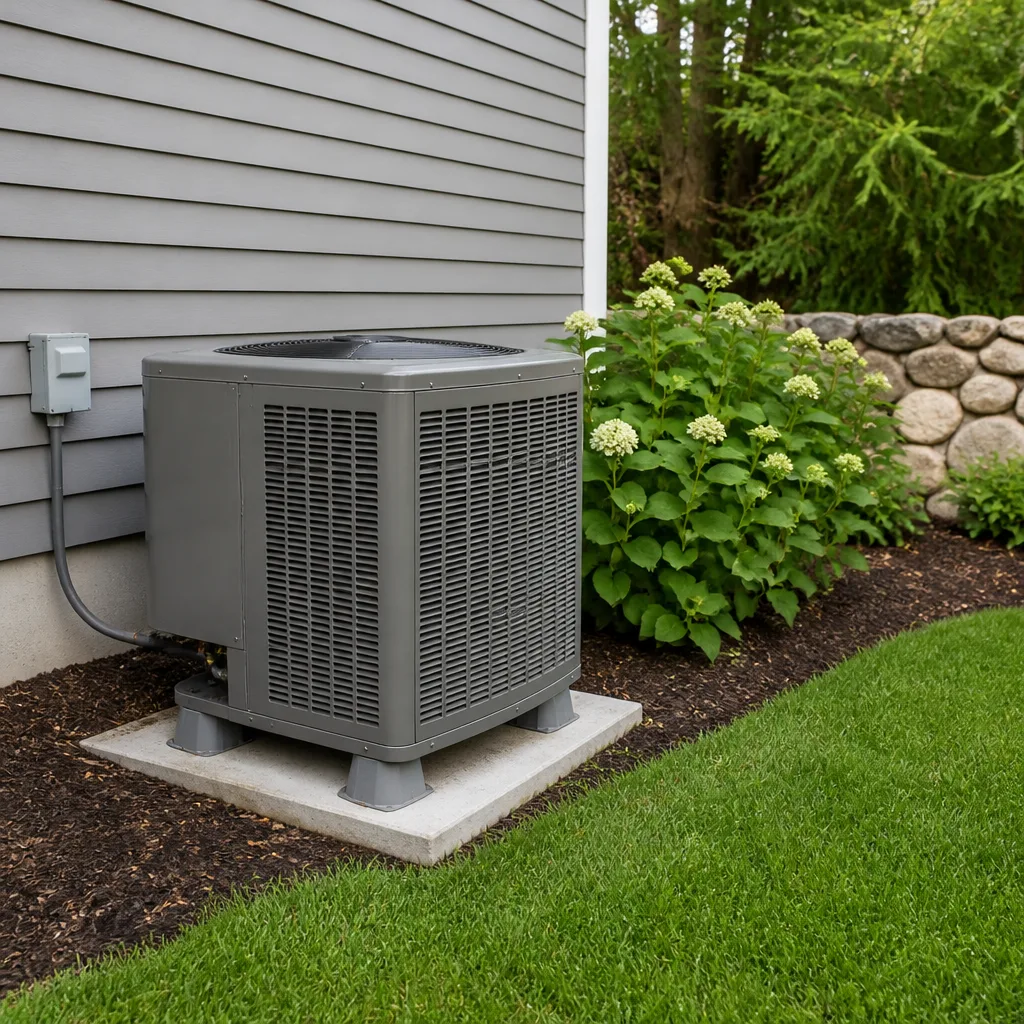 Heat pumps
 Ductless mini splits
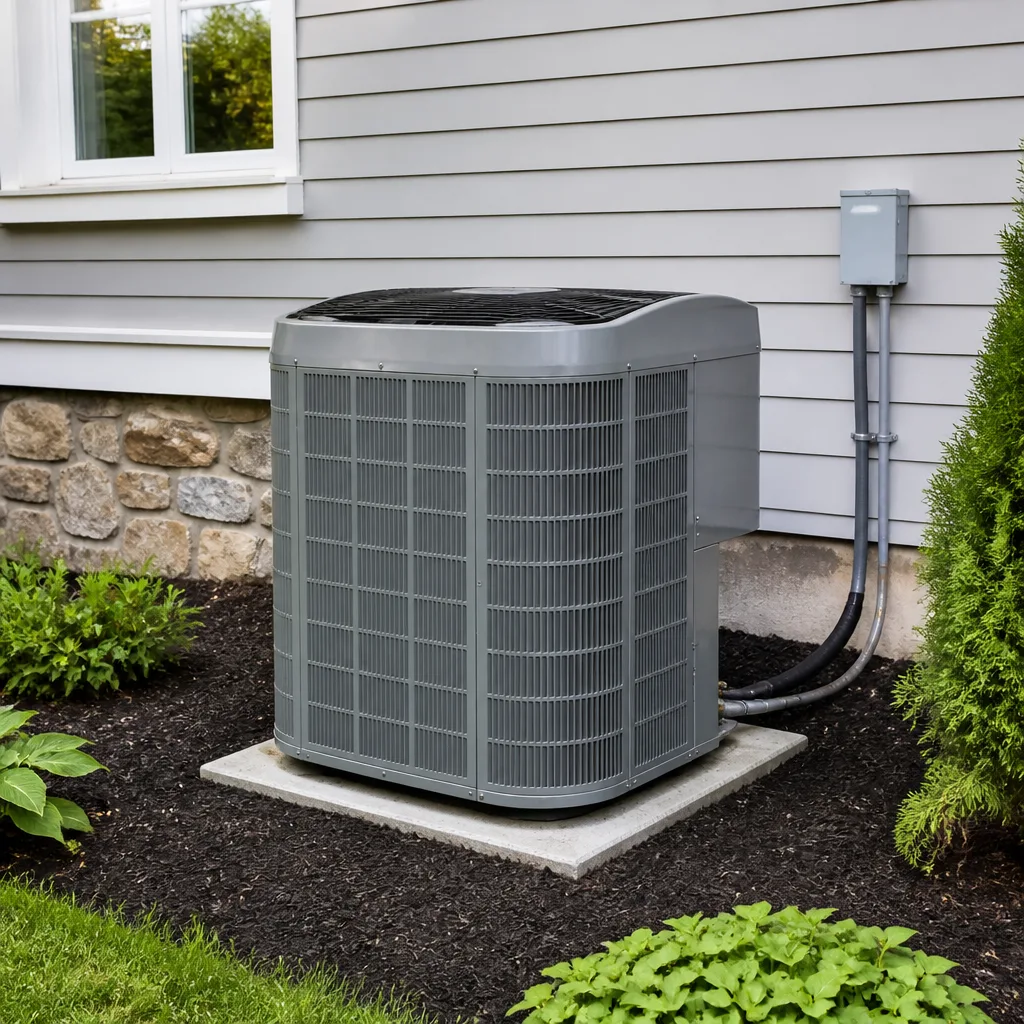 Carrier
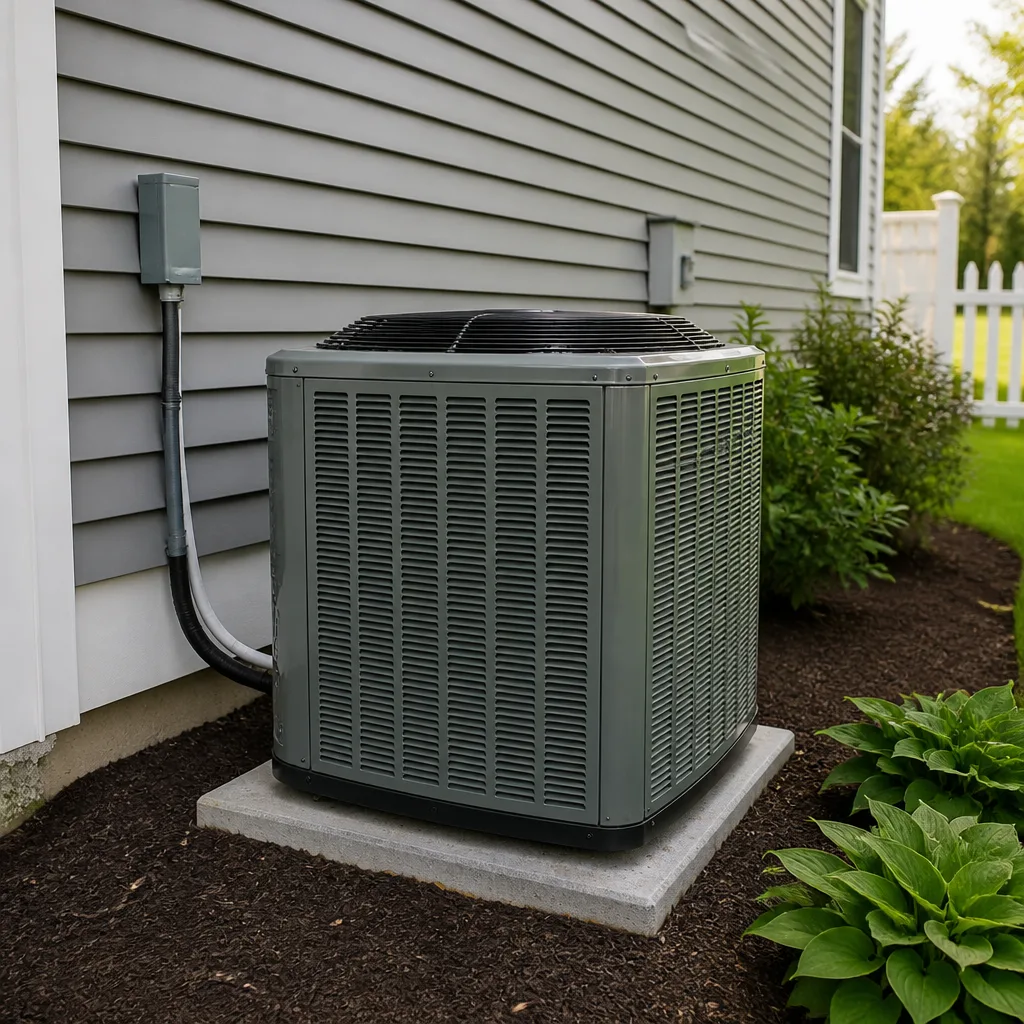 Trane
 Goodman
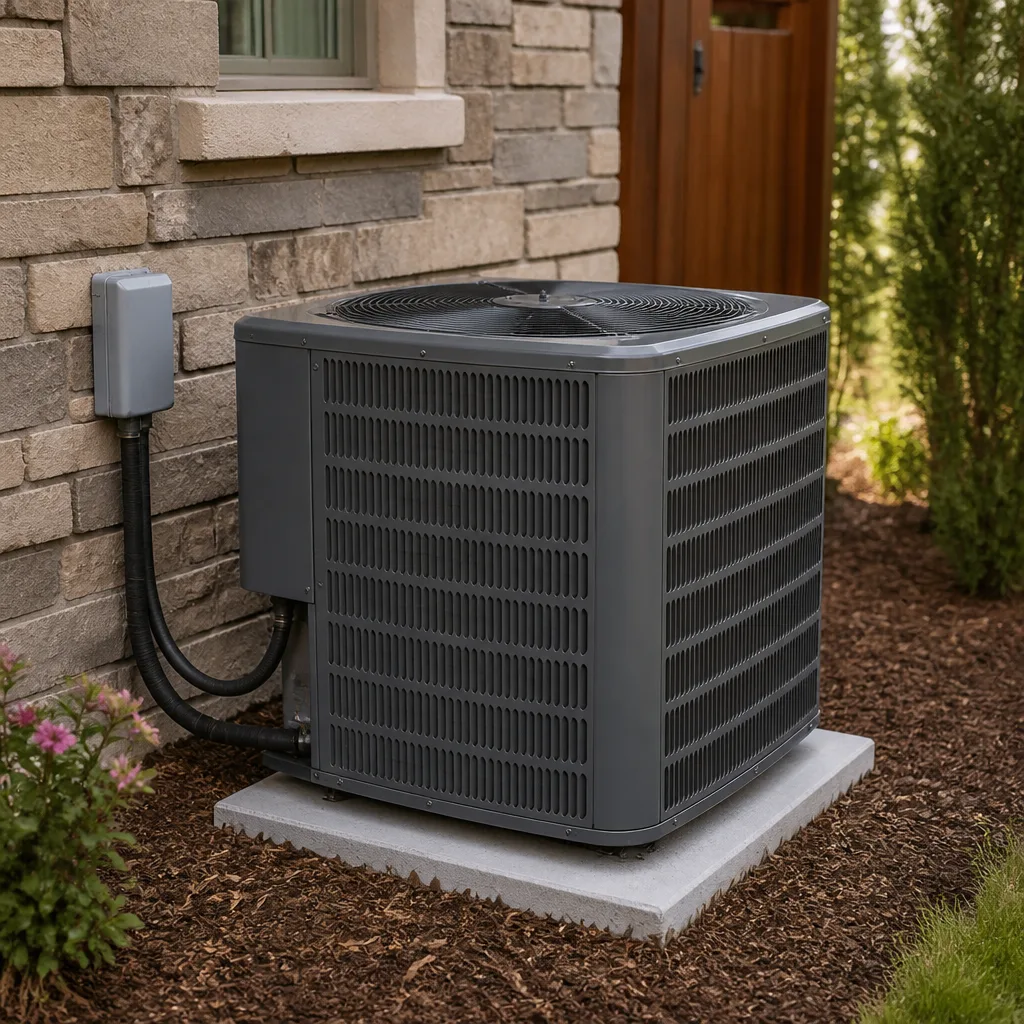
Seasonal tune-up and full diagnostic on your Carrier, Trane, or Goodman system - readings shown to you before any repair is proposed
Diagnosis first, numbers second - you approve the repair price before a single part goes in.
Get your free estimateSeasonal HVAC Care for Whitney: Year-Round Homeowner’s Guide
By the time most homeowners think “spring maintenance,” Whitney is already hitting 90°F. The pre-season window here closes in early April, not May, and a system that hasn’t been checked by then is already behind. Whitney isn’t four equal seasons, and treating it that way is a mistake. This area has a long, brutal cooling season, a short shoulder period, and a mild winter that most homeowners ignore completely. Below, we map AC care to Whitney’s actual climate calendar: when each window opens and closes, what must happen before the first heat wave, and how to tell your system is handling peak load without calling anyone. Every task varies by home, but the timing doesn’t.
Quick Answer
In Whitney, the AC maintenance windows are: a narrow pre-season window from early March to early April, mid-season performance checks in June and July, a shoulder inspection in October when the system idles, and a brief winter check in January or February. Miss the March-to-April window and you’re heading into a hundred-degree summer on an untested system. Book an AC tune-up and safety inspection before April, then follow the mid-season and shoulder tasks outlined below.
Styles & brands we work with
- AC installation
- Furnace & heating
- Heat pumps
- Ductless mini splits
- Carrier
- Trane
- Goodman
Table of Contents
- Whitney’s Climate Calendar
- March Pre-Season Tasks Before the First Heat Wave
- Mid-Summer Performance Benchmarks
- October Shutdown: Coil Protection and Cover Decisions
- What Mild Winters Do to Refrigerant Pressure
- Filters, Airflow, and the Whitney Dust Load
- What a Maintenance Visit Should Cover
- Common Mistakes to Avoid
Whitney’s Climate Calendar: When Each Window Opens and Closes
Whitney doesn’t run a spring-summer-fall-winter HVAC schedule. It runs a three-phase year: a cooling season that dominates everything from roughly May through September, a short shoulder period in October and April, and a mild winter bookended between November and February. Temperature patterns in the area move fast, and each phase demands a different set of tasks.
- March to early April: The critical pre-season window. Average highs climb quickly here, and this is the last realistic time to get a tune-up done while the calendar is still open.
- May through September: The cooling season proper. Systems run for hours daily, and short-cycling or a creeping temperature gap signals a problem.
- October: The shoulder. Nights cool, the system idles, and you either shut down or prepare the coils for the low-use stretch.
- November through February: Mild winter. Short heating cycles on cold mornings mean the same system cycles differently, and refrigerant pressures read cold.
For a Whitney homeowner, the point is simple: your AC doesn’t get a fall tune-up and a spring tune-up. It gets one serious pre-season service, one mid-season check, and one shoulder inspection. Everything else is observation. If you’re unsure where you sit in that calendar, the team behind AC Repair Whitney handles that call with a free estimate.
March Pre-Season Tasks Before the First Heat Wave
The right time to service your AC in Whitney is March, not May. Highs here jump fast, and by the time the first real heat wave hits, an untested capacitor, low refrigerant charge, or clogged coil will already be a failure. March is when the schedule is open and the system can be tuned before it’s drawing full load.
- Book a full tune-up slot in early March. Ask for a coil clean, refrigerant pressure check, and electrical connection check. On a Bryant or American Standard system, ask the tech to confirm the capacitor microfarad rating against the label.
- Change the air filter the same week. In this dusty valley, the filter is the cheapest protection you have.
- Clear the condenser pad. Trash cans, patio furniture, and shrubs blocks heat rejection. Eighteen inches of clearance in every direction is a practical rule.
- Test the thermostat against a real load. Set to 76°F on a warm March afternoon and check that the room actually reaches target.
- Confirm the drain pan drains. A slow pan drain in March is a flooded pan in July.
- Ask about refrigerant type. Older systems use R-22 and newer use R-410A or R-32 blends, and that changes what service means going forward.
Homeowners who call in March get scheduled. Homeowners who call in May compete for slots during peak demand. If you’ve missed the window this year, our team can still do a prescriptive AC maintenance visit and tell you what the system can realistically handle this summer. Fixing a failed unit is what we do, but a March tune-up is what keeps you from needing our repair line in July.
Mid-Summer Performance Benchmarks: Is Your System Handling Peak Load?
A correctly working Whitney AC should hold the thermostat setting on hot days without running nonstop. If the system holds the setpoint and cycles normally, it’s handling load. If not, something is off. You don’t need a service call to know the difference; you need a thermometer and attention.
- The 20-degree rule: Measure the air temperature at a return grille and at the nearest supply register. A drop of 15 to 20 degrees is healthy. Less, and the system is struggling.
- Runtime sanity check: During the hottest part of the day, a properly sized system cycles on and off. A system that runs for hours without reaching setpoint is handling more than it can cool.
- Humidity check: A cooling system also dehumidifies. If indoor humidity climbs above what you’re used to, the evaporator coil isn’t seeing enough airflow or refrigerant charge is off.
- Sound check: Buzzing at the outdoor unit or a chatter on startup usually points to a failing contactor or capacitor. Strange sounds are a scheduled repair, never a wait-and-see.
Peak load is when small problems turn into emergency calls. If the numbers look off in July, take a reading and call early rather than waiting for the system to fail. Our AC repair team works from those same numbers, and a fast diagnosis is what saves a compressor from getting cooked in August. We service the brand already in your home, from York to Daikin, and no repair is quoted without a written estimate.
October Shutdown: Coil Protection and Cover Decisions
October in Whitney is the shoulder: the system still runs some afternoons but idles most nights, and the outdoor coil sees less use. What you do now decides how clean the coil sits by next March. Coil fins are thin enough to bend with a finger, and the local dust load collects between the fins when the fan stops.
Here’s how we recommend the October sequence:
- Wash the outdoor coil fins gently with a low-pressure hose from the inside out. High pressure bends fins.
- Inspect the fan blades and grille for leaves and seed pods. Anything in the cage slows airflow next season.
- Decide on a cover. Skip the cover in Whitney. The unit needs to breathe, and trapped moisture does more damage than dust. If you have a cover, use it only on the top grille to keep debris out; never wrap the sides.
- Check the indoor drain line before the system sits idle. Algae grows in standing water, and a clogged line in April is a $0-job you can prevent in October with a cup of vinegar.
- Set the thermostat to a seasonal hold only if you’ll be gone. Otherwise, leave it at a permissive setpoint and let the house breathe.
Covers are sold hard and rarely help in a high-desert valley. Coil protection is a matter of a clean coil and clear clearance, not a wrapper. If the October inspection turns up bent fins or a damaged coil, that’s the kind of thing we look at during a routine Whitney service call before winter sets in.
What Mild Winters Do to Refrigerant Pressure
Cooling systems are charged for summer conditions, and mild Whitney winters don’t mean the system doesn’t cycle. Colder outdoor temperatures change the pressure relationship across the system, and a system that’s already low on charge can look fine in March and stumble in December.
- Cold-day charge readings are different: The pressure you’d expect at 100°F ambient is not the pressure you’d expect at 50°F. A technician compares against the outdoor temperature, not a fixed number.
- Heat pump crossover matters: If your system is a heat pump, winter is when the crossover from heating to cooling actually gets exercised. A brief January check that the reversing valve switches cleanly is worth the visit.
- Short cold-morning cycles are normal: A system that runs 10 minutes on a cold morning and then cycles is behaving. A system that runs 20 minutes and can’t reach setpoint is telling you something.
- Look for frost on the outdoor unit: Frost on the coil in a mild winter is a sign the defrost cycle isn’t doing its job.
This is where a brief winter check pays for itself: mild temperatures hide low charge better than hot ones do, and a system that’s borderline in January is a failure in June. If you hear the unit labor or see frost, get it looked at rather than wait. Our team books a limited number of winter slots before the March rush.
Filters, Airflow, and the Whitney Dust Load
Filters matter more here than most homeowners expect. Whitney sits in a dusty valley with wind-driven particulates, and a filter that lasts three months in a humid climate lasts half that here. Flow restriction is the number one cause of overheated blowers and frozen coils we see on tune-up visits.
- Filter frequency: Check monthly from May through September. If it looks gray and matted at the end of 30 days, that’s the schedule.
- MERV ratings: Don’t chase the highest MERV. A filter that’s too restrictive for the blower starves the coil and raises pressure. Match it to what the system was designed for.
- Return grille access: Make sure every return grille in the home is unobstructed. Furniture and drop ceilings are common blockers in older Whitney homes.
- Duct leaks: If the supply-air temperature is cold but the room never reaches setpoint, duct loss in an attic run is a suspect. That’s a diagnostic, not a filter problem.
If you have questions about filter sizing or the pressure drop across the system, our AC installation team can also validate airflow for a system you’re replacing. Choosing the right filter and duct config is part of the install, and getting it right at install is what saves a compressor five summers later.
What a Maintenance Visit Should Cover
A real maintenance visit is not a filter swap and a signature. In Whitney, a proper tune-up touches the parts of the system that fail first in a high-cooling-load climate. Here’s what we look at, and what you should ask any technician to check.
- Refrigerant charge and subcooling: Measured against outdoor temperature, not a fixed number.
- Electrical connections and capacitor: Tightened and tested against the manufacturer’s rating.
- Evaporator coil: Cleaned; a dirty coil is the most common cause of a system that “won’t keep up.”
- Condenser coil: Washed from the inside out; fins checked for damage.
- Blower motor and belt: Amperage draw is a window into the motor’s health.
- Drain line and pan: Clear and slow-draining water is normal; a clogged line is a summer flood.
- Thermostat calibration and runtime: A call for cool should produce supply air that’s meaningfully colder than return.
Maintenance is a long-run investment, not a line item to skip. The systems we see that last are the ones serviced every spring. The systems that fail early are the ones that got a filter change and nothing else. Our technicians have up to 8 years of experience, and our maintenance visits are built around what your system actually measures, not a checklist that fits every home. If the visit surfaces a repair, we quote it in writing and explain the alternative; if the system is at end of life, we’ll say so plainly instead of upselling.
Common Mistakes to Avoid
- Waiting until May to book a tune-up. In Whitney, the pre-season window closes in early April. A May scheduling request lands you in peak demand with a system that hasn’t been tested.
- Shutting off the AC entirely in October. A system that sits completely idle for months develops problems the fan motor and drain line would have prevented in an hour of monthly runtime.
- Covering the outdoor unit for the winter. Trapped moisture and lack of airflow do more damage than dust, and covers invite corrosion in a valley environment.
- Chasing a high MERV filter without checking the blower. Restrictive filters starve the coil and raise pressure; a filter that fits the system’s airflow matters more than the number on the box.
- Ignoring a running system in “shoulder” season. October and April are exactly when you can catch a failing capacitor or low charge without an emergency call in July.
- Treating a mid-summer temperature gap as normal. If supply air isn’t 15 to 20 degrees cooler than return, the system isn’t keeping up; euphemisms don’t cool homes.
- Calling a generalist for a specialist problem. AC is all we do, and on a dozen-year-old system, a technician who works on this equipment weekly is faster to a diagnosis than a multi-trade shop on a Wednesday afternoon.
See the difference
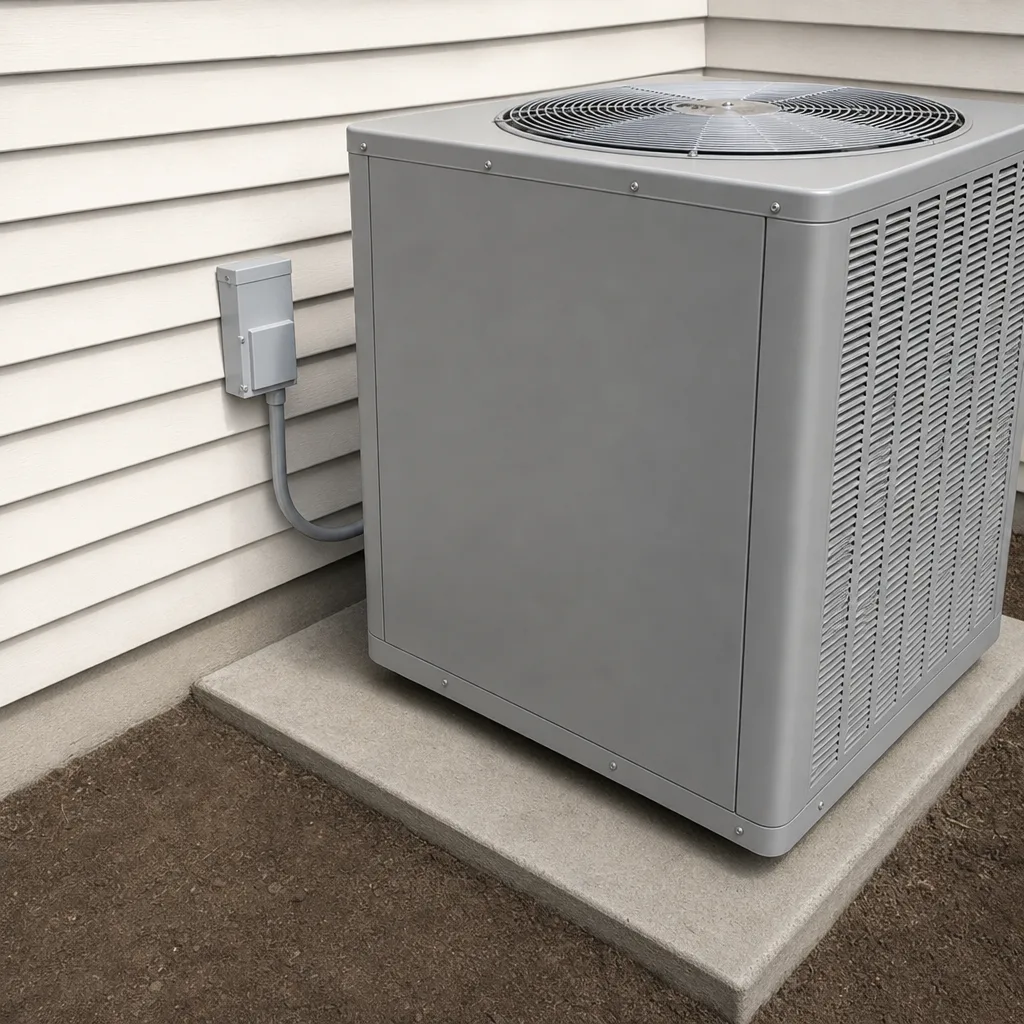
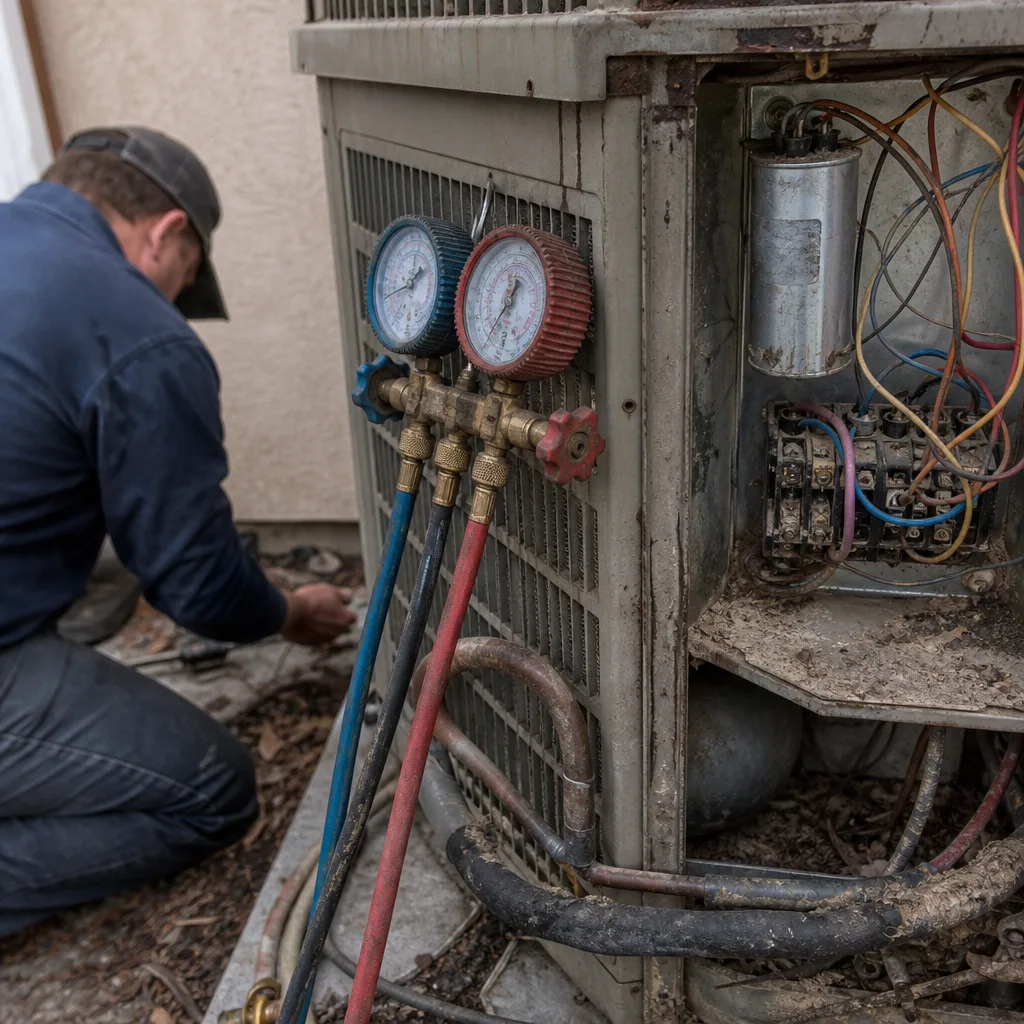
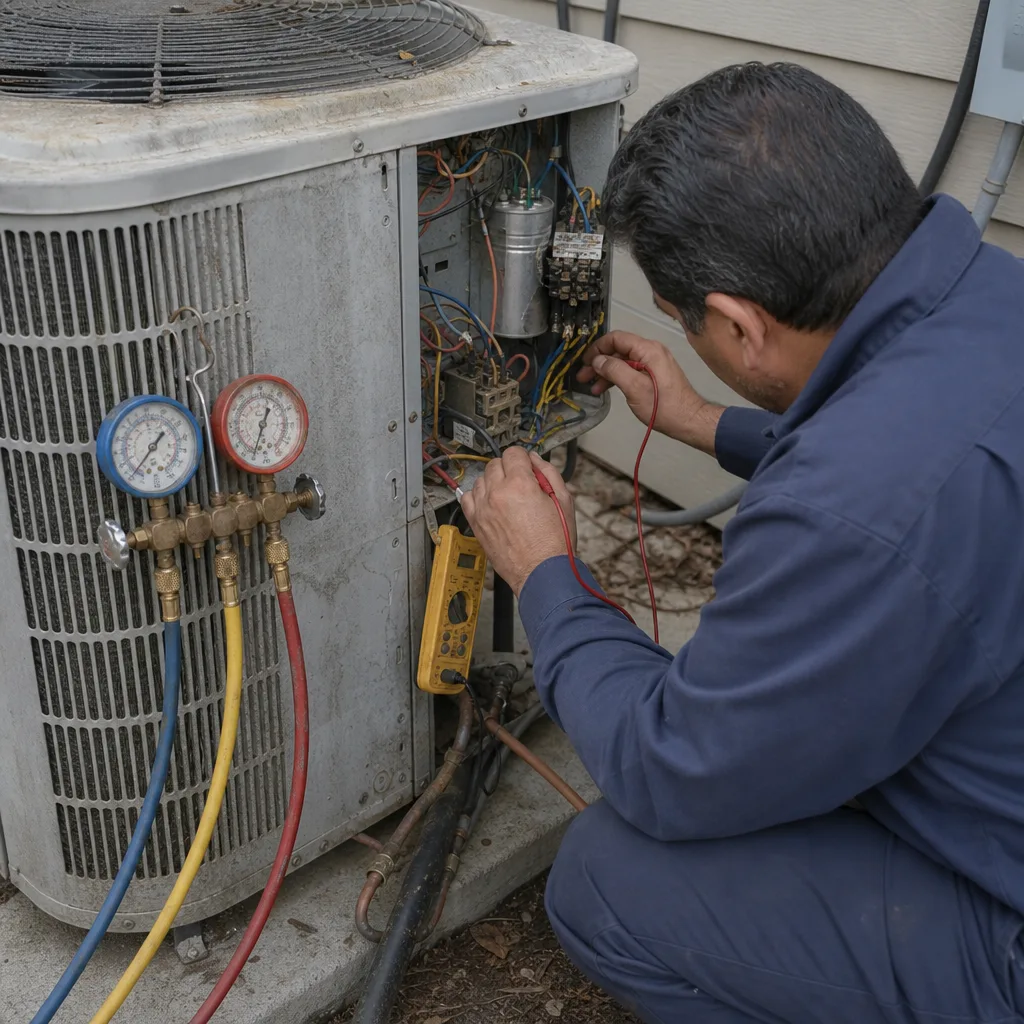 Before
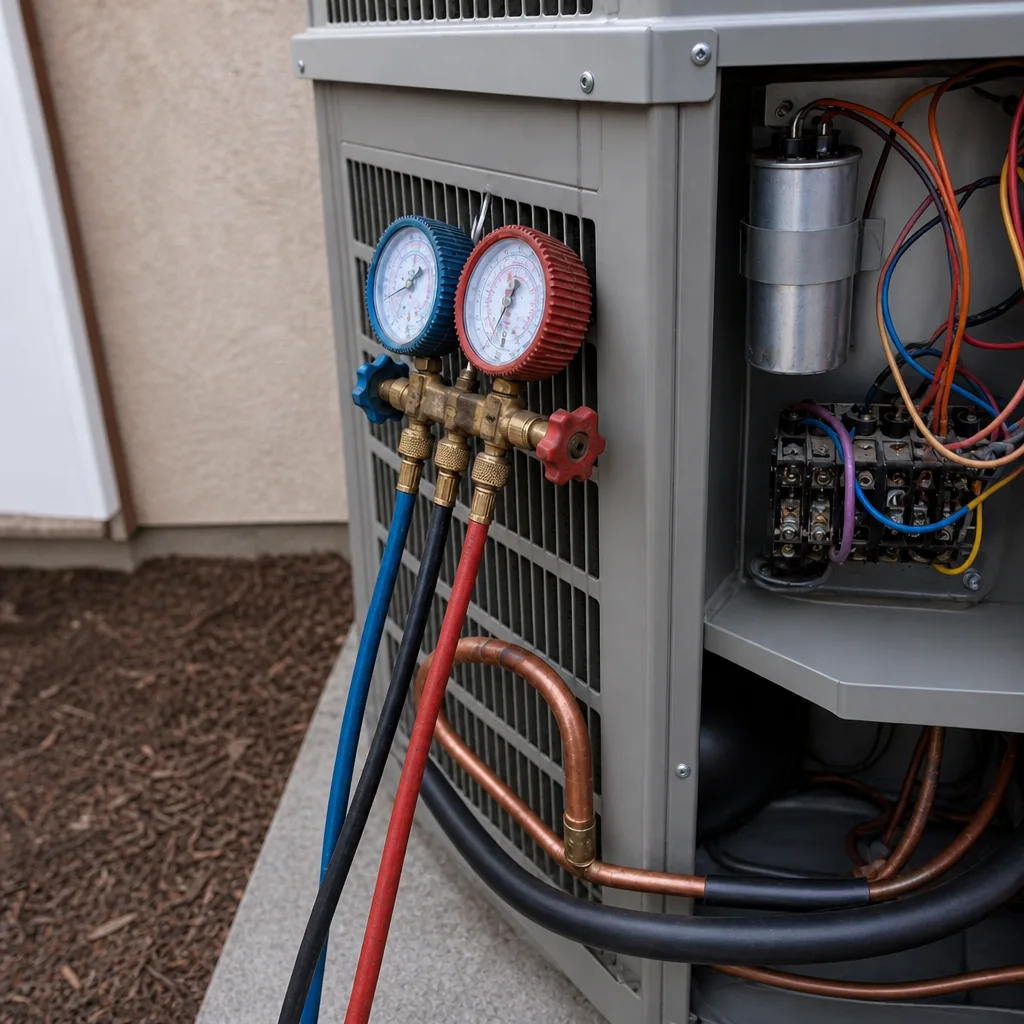
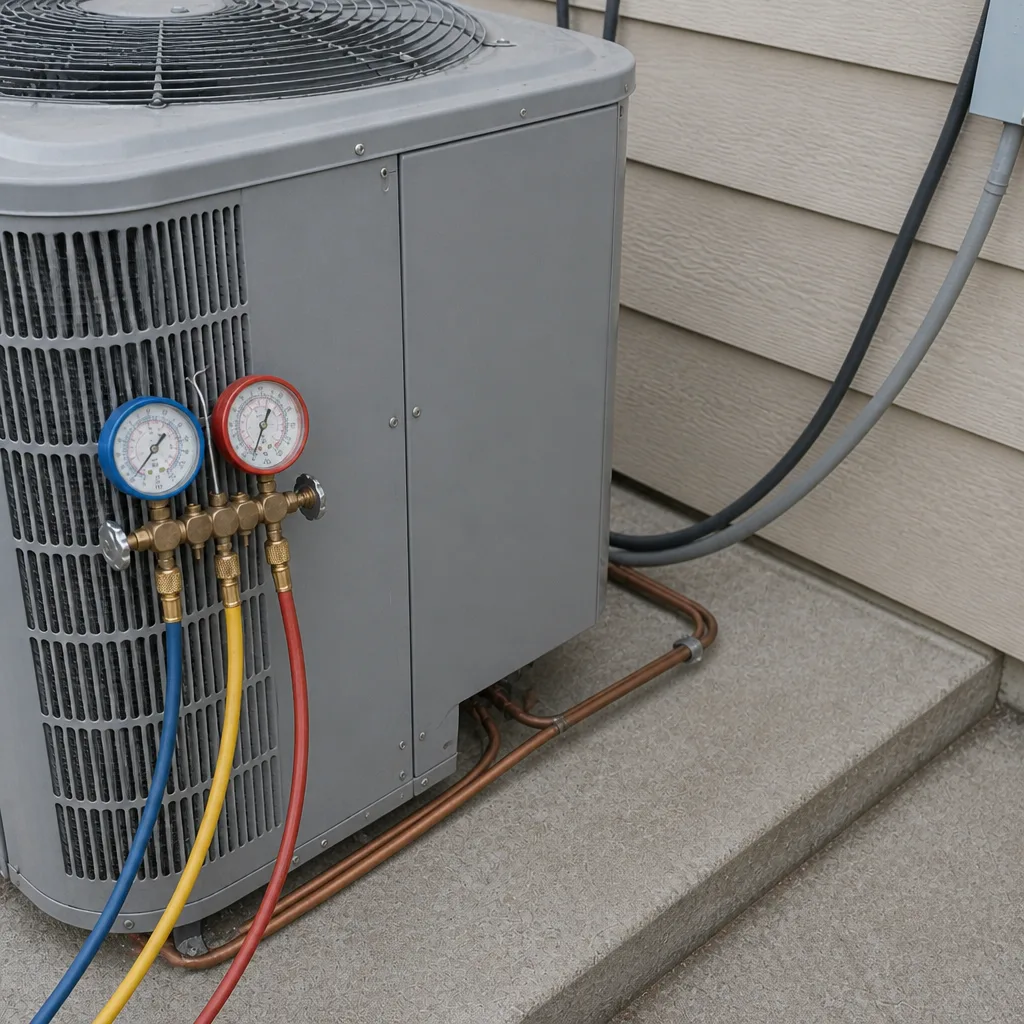 After
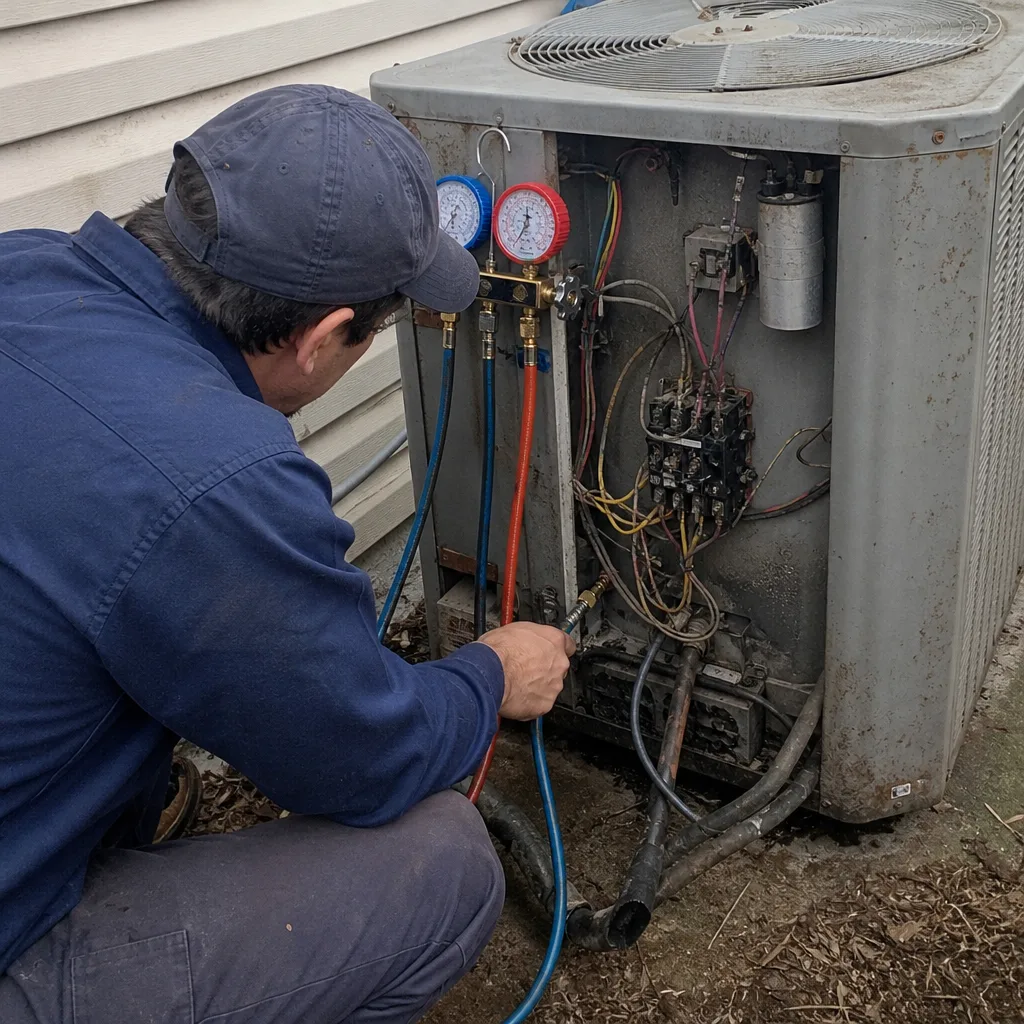 Before
 After
 Before
 After
When to Call a Professional
Some tasks are yours, some require a specialist. Call a professional AC team if any of the following show up: your March tune-up reveals a refrigerant leak or a compressor drawing high amperage; your supply-air temperature drop falls below 15 degrees at peak load; the outdoor unit trips the breaker repeatedly; the system frosts up; the drain pan is overflowing; or a capacitor or contactor needs replacement. Electrical components and refrigerant are not homeowner work; charging refrigerant requires certification, and the compressor terminals carry lethal current. Get a trained technician on it. If your system is more than a dozen summers old and you’ve got a second failure in the same cooling season, replacement is worth pricing against another repair. AC Repair Whitney offers free estimates in Whitney. Call (888) 691-6715. We answer 24/7. Fast dispatch from 7am to 7pm, Sunday through Friday.
Frequently Asked Questions
Book your AC tune-up in Whitney by early April, before the first heat wave. The pre-season window closes fast and scheduling tightens as summer demand climbs. Every task after that is mid-season observation or repair; the tune-up belongs in March.
Yes. Whitney has a cooling season that dominates the year and a mild winter that doesn’t justify a second full tune-up. You want one serious pre-season service in March, a mid-season check in June or July, and a shoulder inspection in October. Spring-and-fall routines imported from cooler climates don’t match this valley’s load profile.
No. Covering the outdoor unit in Whitney traps moisture and blocks airflow, and the trapped moisture is worse for the coil than any dust. If you must keep debris out, cover only the top grille; never wrap the sides.
Measure return air at the return grille and supply air at the nearest register; a 15 to 20 degree drop is healthy, and less than that means the system isn’t handling the load. Take that reading on a hot afternoon for an honest answer, then call if it’s short.
Outdoor pressure and refrigerant behavior change with ambient temperature, and a system that held setpoint in summer can labor when the house cycles between heating and cooling on a cold morning. A brief winter check confirms the system switches cleanly and reads correctly for winter conditions.
We work on the brand already in your home, across nine major manufacturers, including York, Daikin, Bryant, and American Standard. If your system is one of these, we know the parts and quirks. Call (888) 691-6715 for an exact quote on a service visit; estimates are free.
The Bottom Line
The calendar is the strategy in Whitney. One serious pre-season tune-up in March, a mid-summer performance check that starts with a thermometer, a shoulder inspection in October instead of a cover, and a brief winter check that catches low charge before summer does. The mistake is a generic spring-and-fall routine that assumes four equal seasons; the fix is scheduling to the actual cooling load this valley carries. If you’re going to do one thing, do the March tune-up and get it on the calendar early. Repair, replace, or maintain: one call covers it, and our free estimate tells you which one you actually need. Call (888) 691-6715 to schedule your seasonal AC maintenance in Whitney.
Written by the team at AC Repair Whitney.