
Last updated November 17, 2026
 Furnace & heating
 Heat pumps
 Ductless mini splits
 Carrier
 Trane
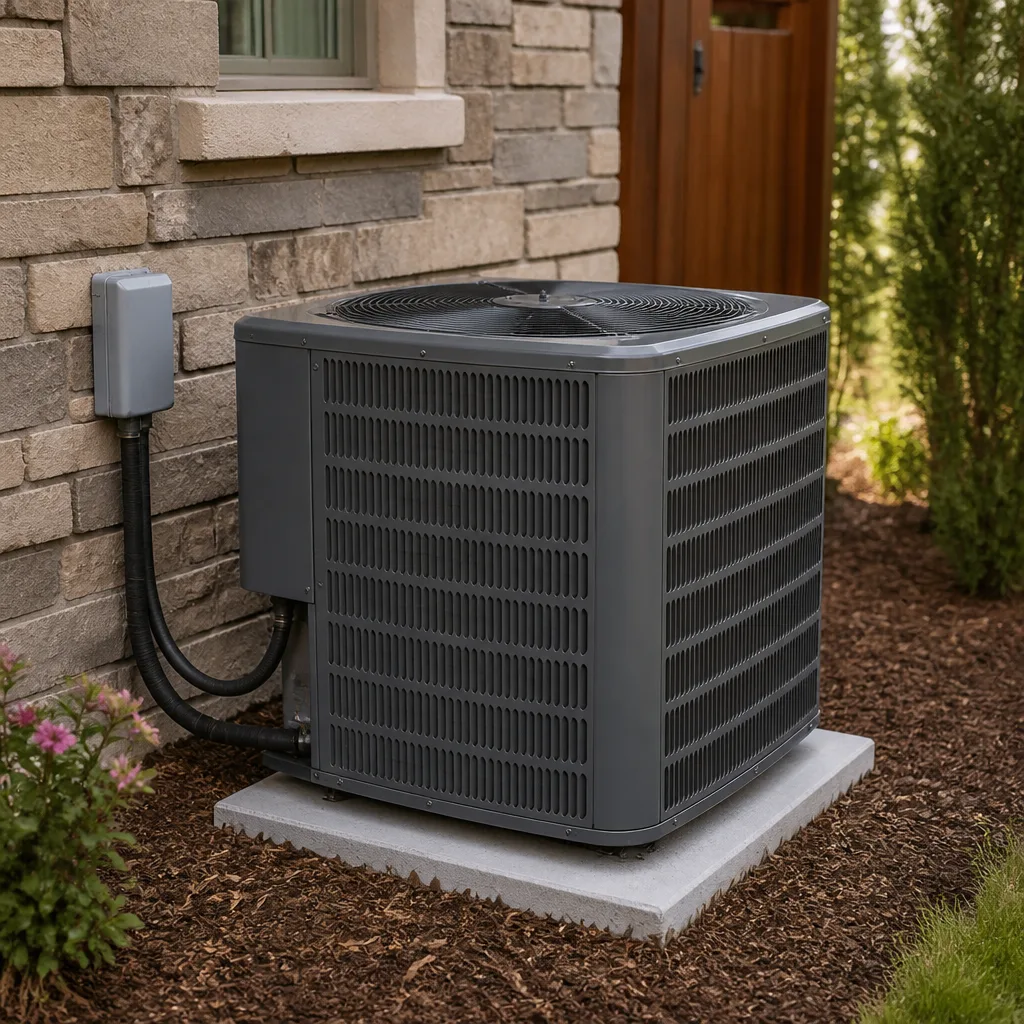 Goodman
Seasonal tune-up and full diagnostic on your Carrier, Trane, or Goodman system - readings shown to you before any repair is proposed
Diagnosis first, numbers second - you approve the repair price before a single part goes in.
Get your free estimateHVAC Permits, Codes & Inspections in Whitney, NV: What You Need to Know
The permit is the boring part of an AC project, and it’s the part most homeowners only think about after something goes wrong. Here’s the counterintuitive truth: in Clark County, a permit isn’t proof that your contractor is being careful. It’s proof that the work is documented, inspected, and legally tied to your address. That matters when you sell the house, when your insurer asks for records after a fire, and when you try to pull a permit on the next project and the county already has a file on your property. This guide covers when Clark County requires a permit for AC work, what inspectors actually check, how to spot unpermitted work left behind by a previous owner, and how to schedule inspections without blowing your project timeline. If you own a home in Whitney, this is the paperwork side of staying cool.
Quick Answer
Clark County generally requires a permit for replacing an AC unit, installing a new system, and any work that changes the electrical circuit, refrigerant lines, or ductwork. Straightforward repairs that don’t alter the system’s capacity or its electrical and refrigerant connections usually don’t trigger a permit. Every permitted job needs at least one inspection before the county closes it out, and that inspection is what makes the work legal and insurable. A written estimate from a licensed contractor should tell you who pulls the permit before anyone touches your equipment.
Styles & brands we work with
- AC installation
- Furnace & heating
- Heat pumps
- Ductless mini splits
- Carrier
- Trane
- Goodman
Table of Contents
- When does Clark County require an HVAC permit?
- What a Clark County HVAC inspection actually covers
- How to spot unpermitted HVAC work in a home
- Nevada energy code and equipment efficiency minimums
- The permit-to-inspection timeline in Clark County
- Why Whitney’s climate makes AC code compliance different
- Common mistakes to avoid
- When to call a professional
When does Clark County require an HVAC permit?
Clark County’s Department of Building and Fire Prevention, usually called DCMD, wants a permit any time AC work changes the system in a way the county can’t verify from a desk. The dividing line is straightforward: repairs that keep the same equipment and the same connections usually don’t need one, and anything that swaps equipment or alters the electrical and refrigerant side usually does.
Here’s how the three common scenarios break down:
- AC repair: A failed capacitor, a bad contactor, a blower motor swap, or a refrigerant leak repair on your existing system typically doesn’t trigger a permit. The equipment stays the same, the circuit stays the same, and the work is maintenance rather than alteration.
- AC replacement: A like-for-like swap of an outdoor condenser and coil almost always requires a permit. Even when the tonnage is identical, the county wants a mechanical permit and an electrical permit because the disconnect and circuit are part of the job.
- New installation: Putting AC in a home that didn’t have it is always permitted. That includes the new circuit, the disconnect, the line set, and code checks on ductwork capacity for the space.
If you’re planning a replacement in Whitney, the contractor should be the one pulling the permit, and the permit should list the contractor’s name and license on it. A homeowner can pull a permit in Clark County for their own property, which sounds helpful until the inspection fails and they have no licensed contractor to correct the work. The permit holder is the one on the hook for the correction.
Ductwork changes get missed more than any other item. AWhitney homeowner replacing a system often adds or reroutes supply runs at the same time, and any change to the duct layout is part of the permitted scope. If the contractor says “we’ll just fix the ducts while we’re in there” and no permit was pulled, the ducts weren’t inspected. Call us before scheduling anything and we’ll walk you through what your specific job requires.
What a Clark County HVAC inspection actually covers
An inspector isn’t checking whether your AC blows cold. They’re checking whether the installation is safe, legal, and matches the permit. The walk-through is specific, and knowing the checklist in advance is the easiest way to avoid a failed inspection and a second trip.
- Permit and labeling: The permit is posted or available on site, and the equipment nameplate specs (model, tonnage, refrigerant type) match what was applied for.
- Electrical disconnect: A properly rated disconnect within sight of the condensing unit, correctly grounded, with conductors sized for the unit’s rated load.
- Circuit protection: The breaker at the panel matches the manufacturer’s maximum overcurrent protection on the plate.
- Refrigerant line work: Correctly sized and insulated line sets, proper routing through the wall, and a nitrogen pressure check or evacuation record depending on what the county asks for.
- Condensate drainage: A properly trapped and routed drain, with a secondary pan or overflow switch where required.
- Equipment clearances: Manufacturer-required clearance around the condenser and access for service and for the coil.
- Ductwork: Duct sizing, sealing, and insulation where the permit scope includes ducts.
What fails most often in Whitney? Electrical issues, almost every time. The disconnect gets installed on the wrong side of the unit, the breaker is oversized for the plate, or the ground is missing on an older home. Duct clearances and drain routing are the next two culprits.
An inspector doesn’t test your refrigerant charge or measure airflow; those are installation quality items and they belong to the installing contractor, not the county. That’s one reason we care who installs the system, not just who permits it. We work on Lennox, Goodman, Rheem, York, and the other brands already in Whitney homes, and we know what each one wants from an install.
How to spot unpermitted HVAC work in a home you already own
If a previous contractor installed your AC without a permit, that’s your problem the moment you try to sell the house or file an insurance claim on a fire that started at the disconnect. The county has no file, the work was never inspected, and the correction falls on the current owner. Here’s how to find out.
- Pull the permit history. Clark County lets you search permit records by address. Look for a mechanical or electrical permit around the year the outdoor unit was manufactured, which is usually printed on the nameplate.
- Compare equipment to records. If the nameplate says the unit was built after the last permitted work at that address, there’s a gap. That gap is the unpermitted installation.
- Look at the electrical panel. A labeled breaker for “AC” is normal. A breaker with no label, an oversized breaker, or a circuit that’s been double-tapped is a sign of work done outside a permit inspection.
- Check the disconnect. No disconnect, a homemade box, or a disconnect that’s not weather-rated is a red flag.
- Look for DIY traces. Unfinished covers, exposed line sets that run across a walkway, duct tape instead of mastic at joints, or a mismatched outdoor unit that doesn’t match the indoor coil’s brand.
If any of this comes up during a home purchase inspection in Whitney, don’t panic. The path forward is a permit pulled retroactively for the work, which usually means a contractor documents the installation, brings it up to code if needed, and schedules an inspection. It’s a paperwork fix plus any corrections, but it’s fixable. Do it before closing, not after, because the correction is faster when the seller is still motivated to help.
Nevada energy code and equipment efficiency minimums
Nevada follows the national energy code cycle, and Clark County enforces the efficiency minimums in it. If your replacement system doesn’t meet the current minimum, the permit gets rejected or the inspection fails. That’s why efficiency isn’t just a cost decision here.
The practical effects on a Whitney install:
- SEER2 thresholds. Efficiency is now measured on SEER2, which replaced SEER1 as the standard. The exact minimum depends on the system size and the current adopted code cycle, so the installer needs to check the adopted code at the time of the permit, not a spec sheet from a few years ago.
- Matching systems. Indoor coil and outdoor unit need to be a matched pair for the efficiency rating to count. A Goodman condenser mated to an unrelated coil won’t pass the paperwork even if the numbers look right.
- Ducts count. Duct sealing and insulation requirements apply where the permit covers ductwork. R-8 duct wrap is the minimum most installations should plan around.
- Refrigerant transition. Newer refrigerants and the phase-down of R-410A have changed what equipment is available and what the county accepts. This is one of the reasons we track the brands we work with by model generation.
The good news is the efficiency minimums are self-correcting when the contractor does the math correctly. The permit application tells you what efficiency tier is required before the unit is ordered, so there’s no surprise at inspection. If you’re comparing two bids and one skips the code check, that bid is cheaper for a reason.
Ready to know what the code requires for your home? Call (888) 691-6715 for a free estimate. We answer 24/7. Fast dispatch from 7am to 7pm, Sunday through Friday.
The permit-to-inspection timeline in Clark County
Timelines in Clark County vary with inspection volume and the time of year, so no one can promise you a specific number of days. What you can control is the sequence, and getting it right is the difference between a smooth project and weeks of backtracking. A typical replacement in Whitney runs through the same order.
- Contractor pulls the permit. Mechanical and electrical permits are submitted with the scope, the equipment specs, and the address. This happens before equipment is ordered.
- Equipment ordered and delivered. Once the permit is issued, the equipment is confirmed against what was applied for. Substitutions at this stage are how inspections fail.
- Installation completed. Electrical disconnect, line set, drain, and ductwork go in. The contractor should leave the permit on site for the inspector.
- Rough-in inspection if needed. Some scopes require the inspector to see the work before it’s covered up. Your contractor schedules this.
- Final inspection. The county inspects the completed job against the permit. If it passes, the case closes.
- Close-out. The permit is finalized, and your property record shows the work as permitted and inspected.
The biggest scheduling mistake in Whitney isn’t inspection delays. It’s doing the work first and pulling the permit second, which either triggers a retrofit documentation process or forces you to tear out and redo something that was otherwise fine. Peak summer is when inspection calendars fill fastest, so get the permit filed early even if the install date is a month out.
Need a permit pulled on an installation or replacement? AC installation starts with the paperwork, and we handle that step for you.
Why Whitney’s climate makes AC code compliance different
Whitney sits in the Las Vegas Valley, which means the cooling season runs well past the calendar summer and the loads are heavy. That reality shapes what the county cares about. Equipment sized for a mild climate won’t hold up here, and a system installed without a real load calculation can pass inspection on paper and still fail in July.
Three things this changes:
- Sizing matters more. Oversized equipment short-cycles, wears out faster, and rarely hits the efficiency printed on the label. Load calculation isn’t part of the county checklist, but it’s part of doing the job right.
- Electrical load is heavier. Valley homes run AC for more hours per year than most of the country, so the circuit and disconnect check during inspection isn’t academic. It’s the most-loaded circuit in the house.
- Duct leakage is a real cooling cost. Attic duct runs heat up in a Whitney attic, and leaky ducts cost you capacity that the permit inspection will notice if the ductwork is in scope.
We see it in Whitney: houses where the system passed inspection but still undercools the back bedrooms, because the ducts were never part of the project. That’s not a code failure; it’s a scope failure. Fixing it later costs more than planning for it in the original permit.
For a closer look at local service, see Whitney and how we approach the AC work here.
Do repairs ever need a permit in Whitney?
Most repairs don’t need one, and the honest answer is that this depends on what the repair actually replaces. Swapping a failed run capacitor, a contactor, a fan motor, or a thermostat is maintenance. Opening the refrigerant circuit to replace a leaking line or a bad valve is closer to the line, and a contractor deciding that should be able to explain why.
Here’s the simple test: if the repair uses the same equipment, the same breaker, and the same circuit, no permit is required. If the repair changes any of those, a permit is required. Electrical panel work on the AC circuit counts as the second category.
The reason this matters: unpermitted repair work isn’t a problem until it’s a problem. A capacitor swap done without a permit is not going to be flagged when you sell. New branch circuit wiring to the AC without a permit is another matter, and it’s the kind of item that shows up in a buyer’s inspection report. If your system needs a repair and the diagnosis is unclear, the free estimate is the fastest way to find out whether it’s maintenance or a permitted change.
What happens if you skip the permit on an installation?
Skipping the permit doesn’t save you paperwork. It moves the paperwork to the least convenient moment. A few outcomes follow a Whitney installation done without one:
- Insurance complications. If a fire is traced to the AC disconnect or the condenser circuit, an unpermitted installation is the first question your insurer will ask. A claim on unpermitted electrical work can be delayed or denied depending on the policy.
- Sale delays. Buyers and their agents pull permit history in Clark County. An open or missing permit shows up, and the correction falls to whoever owns the house at the time of sale.
- Warranty risk. Manufacturer warranties often require installation in accordance with local codes. A manufacturer can decline a compressor claim if the installation wasn’t permitted.
- Retroactive cost. Pulling a permit retroactively means documenting the work, correcting anything that fails inspection, and paying for the extra visits. It’s always more than pulling the permit up front.
The trap is the second owner. If you buy a Whitney home where a previous owner installed an unpermitted unit, the county has no record of it and the file sits on your side of the table. Check permit history before you buy, and check it before you install.
See the difference
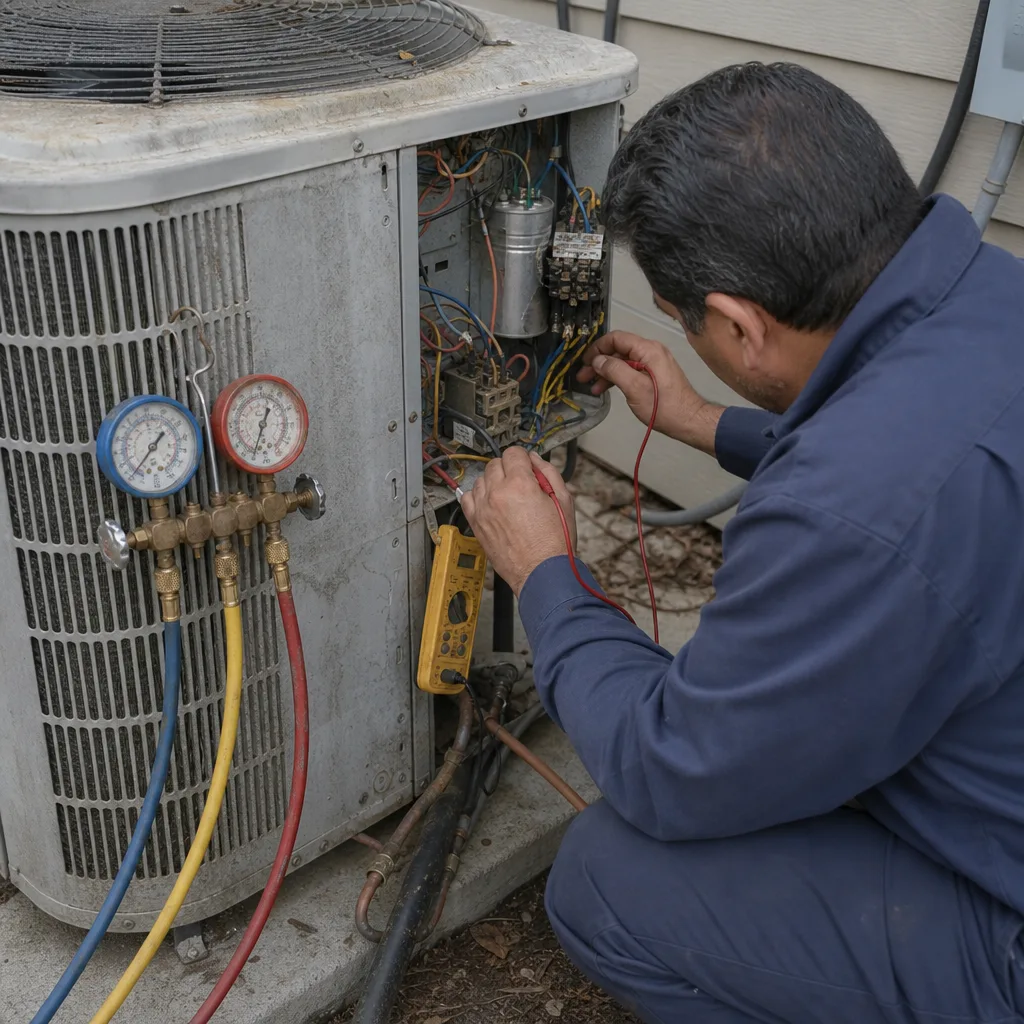 Before
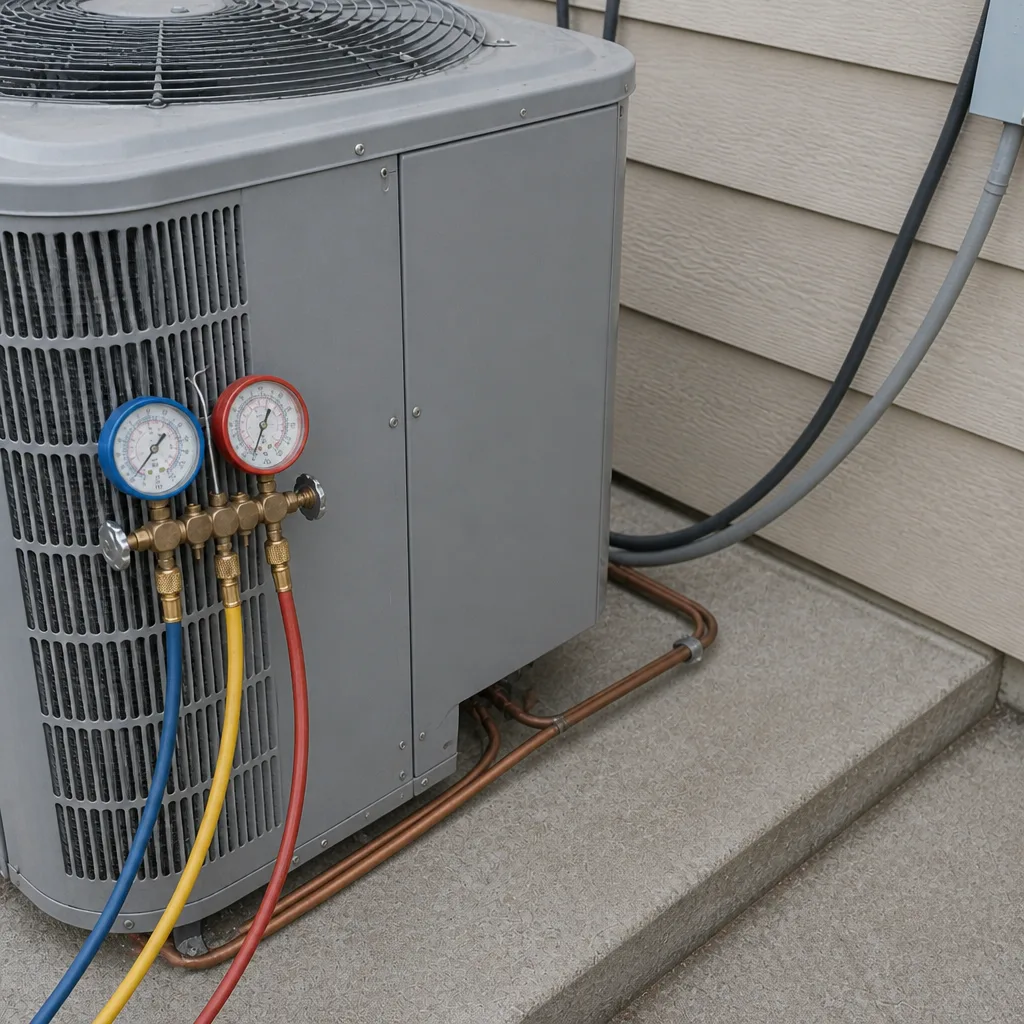 After
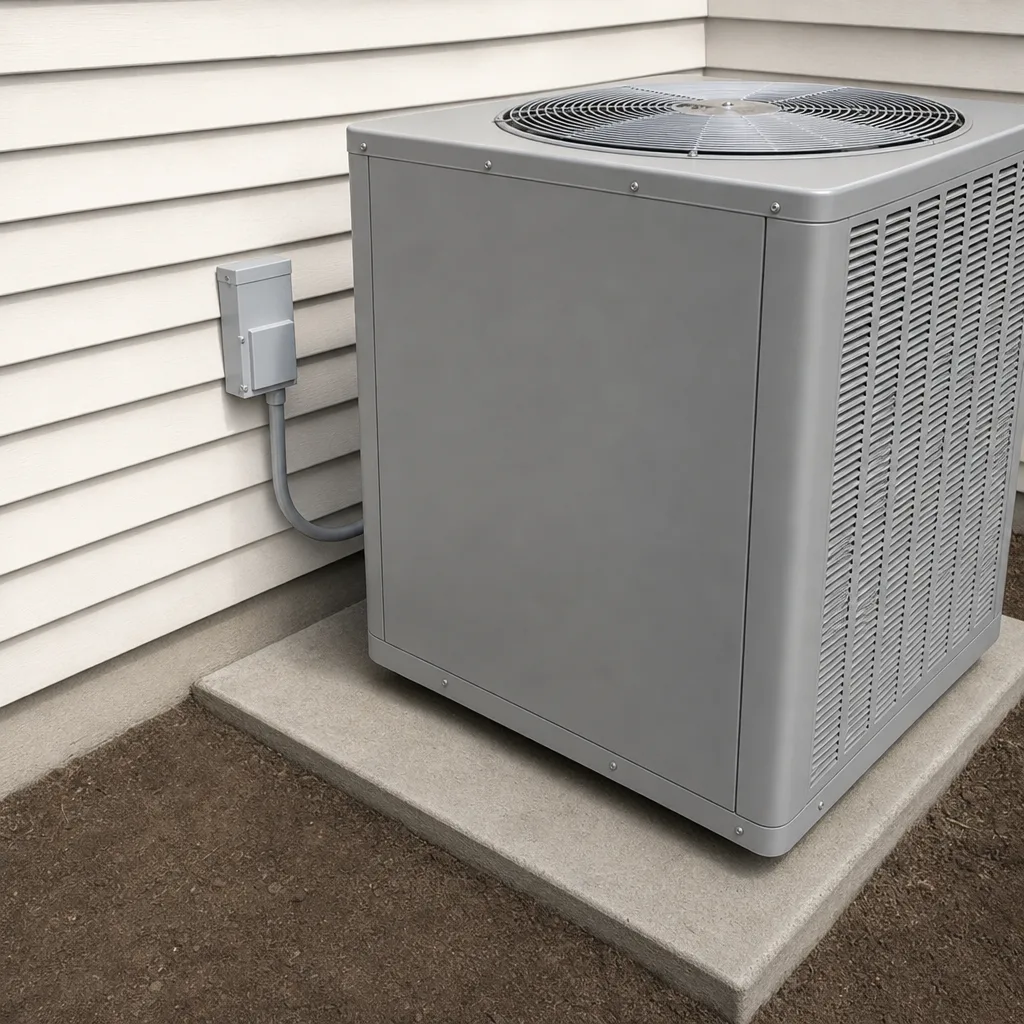
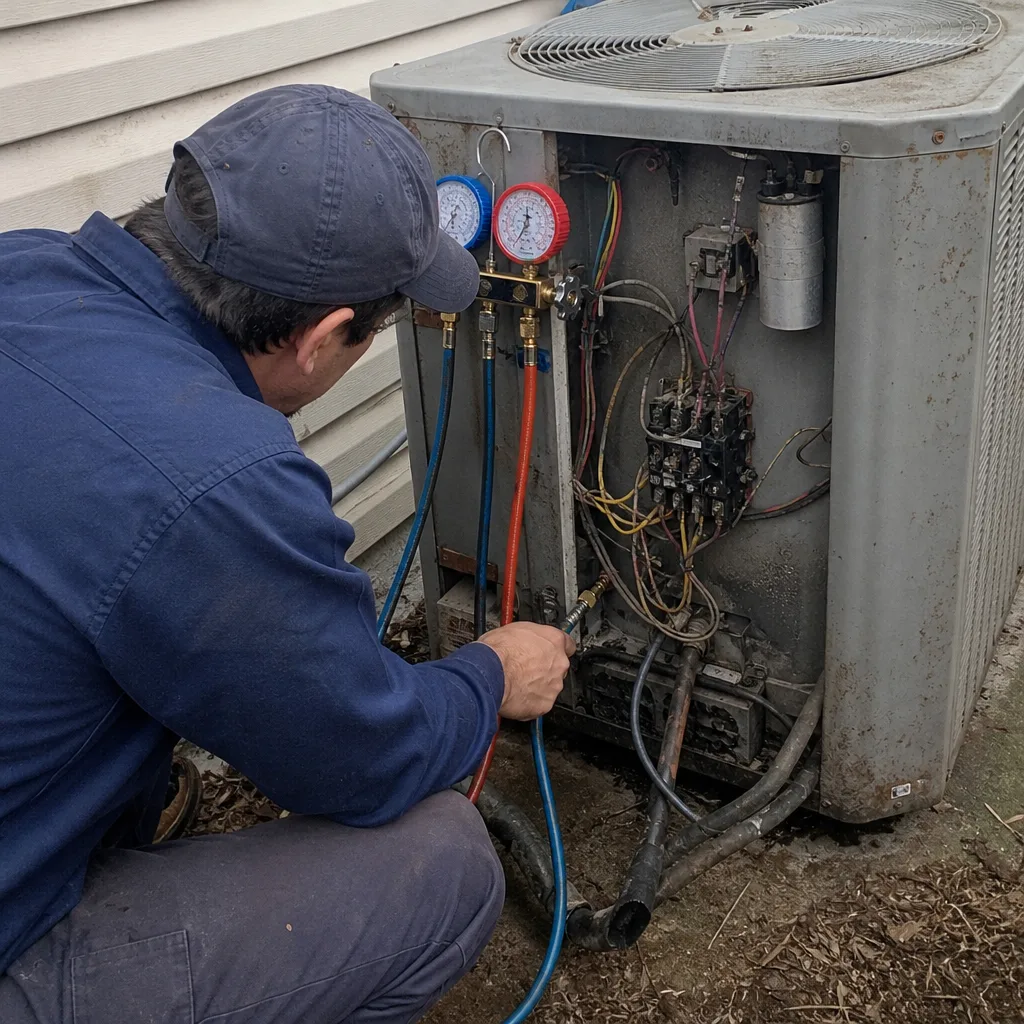 Before
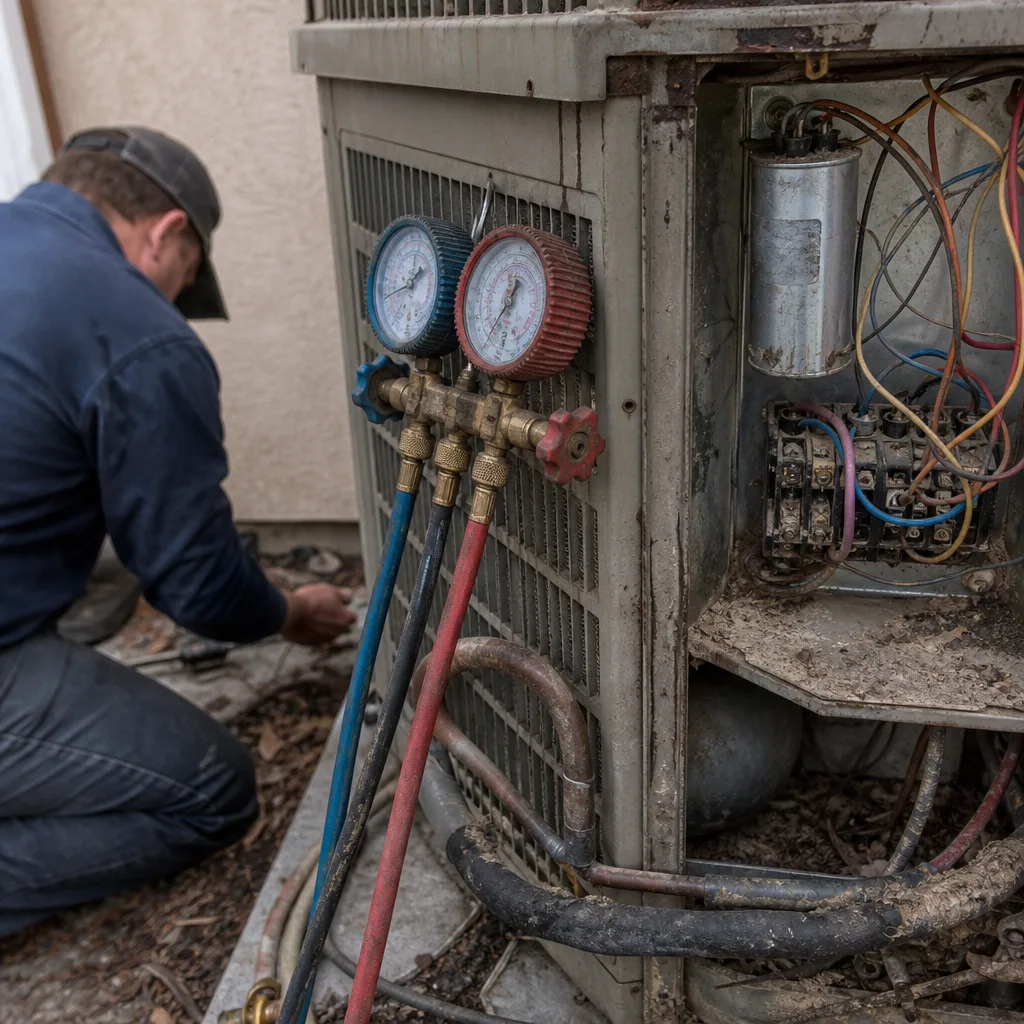
 After
 Before
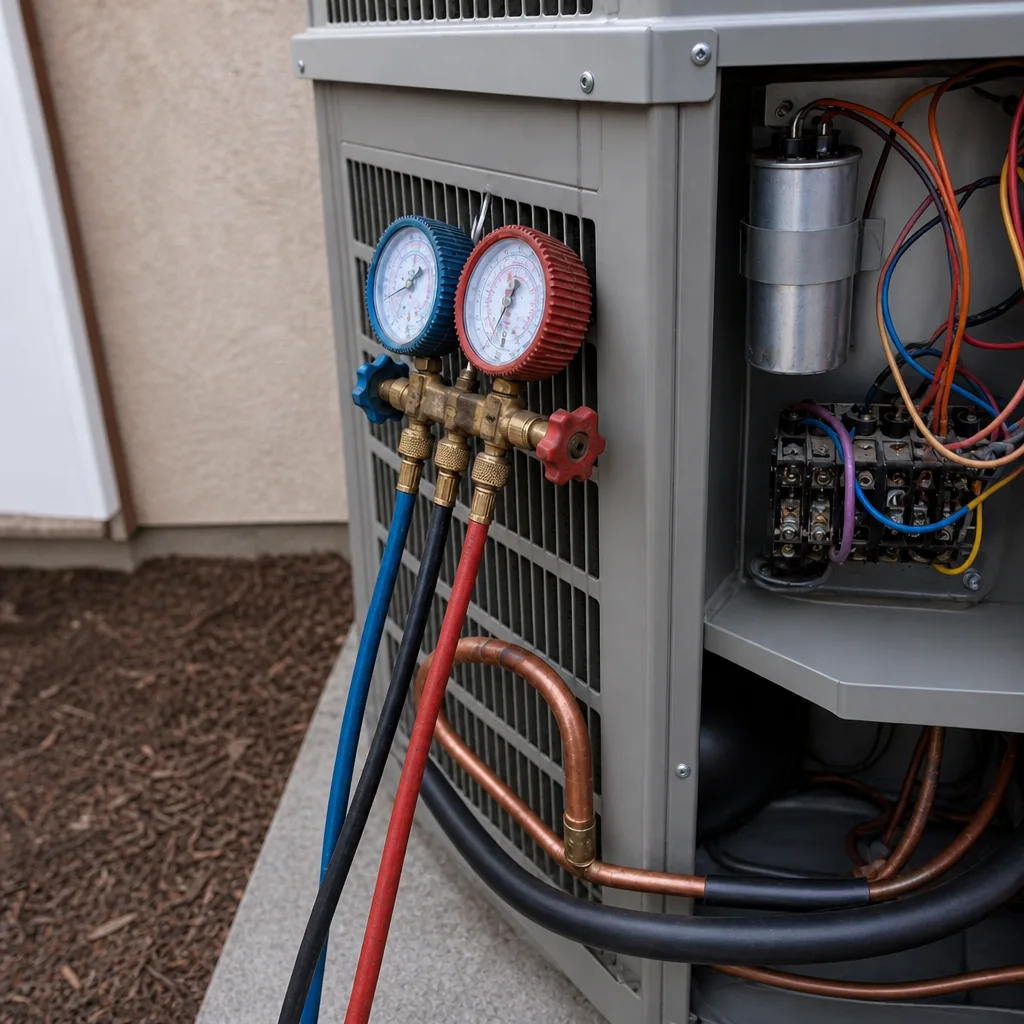 After
Common Mistakes to Avoid
- Doing the work first, pulling the permit second. Once the system is installed, the permit process becomes a documentation and correction exercise instead of a straightforward approval. It’s slower and more expensive than the original permit.
- Letting the contractor pull the permit under a different name. The permit needs to list the entity doing the work, with the correct license. A subcontractor’s name on the permit with no relationship to your job creates a paper trail that doesn’t hold up.
- Replacing a unit without checking the efficiency tier on the permit application. A unit that meets the old standard can still fail the current code check. Confirm the exact equipment model on the permit before it’s ordered.
- Assuming the inspector will test the refrigerant charge. The county check is code and safety, not performance. Charge, airflow, and duct leakage are your contractor’s responsibility, and a good bid says so.
- Buying in Whitney without pulling the permit history. Five minutes on the county website tells you whether the AC was permitted. Do that before you close, not after.
- Letting a previous owner’s unpermitted work sit on the record. The correction is fastest when the seller is still helping. If you wait, it’s your project.
- Treating a repair as a replacement, or vice versa. A capacitor or contactor swap isn’t a permitted alteration, but a new condenser circuit is. Ask which category your job falls into before scheduling.
When to Call a Professional
Call us when the installation is complete and the permit is open, or when you need the permit pulled as part of the job. Call when your AC has failed and you’re not sure whether the repair is routine or something that changes the electrical side. Call when you’re buying a Whitney home and the permit history has a gap. Call when your system needs replacement and the bid you got doesn’t mention a permit. And call when you want an honest diagnosis instead of an upsell. AC Repair Whitney offers free estimates in Whitney. Call (888) 691-6715. We answer 24/7. Fast dispatch from 7am to 7pm, Sunday through Friday, with no overtime charge. Our technicians have up to 8 years of experience and work on the brands already in your home, whether that’s a Lennox, a Goodman, or a York.
If you want the repair handled properly, AC repair is what we do. For the full picture, the main AC Repair Whitney page covers our three services.
Frequently Asked Questions
Yes. A like-for-like AC replacement in Whitney almost always requires a mechanical permit and an electrical permit, because the disconnect and circuit are part of the scope. A straight repair on the existing equipment usually doesn’t. Confirm the permit requirement with Clark County DCMD before the job is scheduled, and make sure the permit lists the contractor doing the work.
An inspector checks the permit, the equipment nameplate against the application, the electrical disconnect, the breaker size against the manufacturer’s maximum overcurrent protection, the grounding, the refrigerant line routing and insulation, the condensate drain and trapping, equipment clearances, and the ductwork where it’s in scope. It’s a code and safety inspection, not a performance test. Refrigerant charge and airflow are the installing contractor’s job.
Pull the permit history from Clark County by address and compare it to the manufacturing date on the outdoor unit’s nameplate. If the unit was built after the last permitted work, there’s a gap. Then check the electrical panel for an unlabeled AC breaker, a missing disconnect, or mismatched equipment brands between the indoor coil and the outdoor unit. Those are the signals a home inspector will flag.
Yes. The path is a retroactive permit, which means documenting the installation, correcting anything that fails inspection, and scheduling a final inspection. It’s a paperwork job plus corrections, not a replacement. The correction is usually fastest during a purchase, before closing, while the seller is still cooperating. If you already own the home, the correction is yours to schedule.
Nevada follows the national energy code cycle, and Clark County enforces the efficiency minimums it adopts, which are now measured in SEER2. The exact minimum depends on system size and the code cycle adopted at the time of the permit, so the contractor has to check current code, not a spec sheet from a prior year. Indoor and outdoor equipment need to be a matched pair for the rating to count.
No one can promise a fixed number of days, because timelines move with inspection volume. The sequence matters more than the calendar: the contractor pulls the permit before equipment is ordered, installs to the permitted scope, schedules the rough-in inspection if required, and then schedules the final. In Whitney, filing the permit early is the one thing you control, especially going into peak cooling season.
Usually not, if the repair uses the same equipment, breaker, and circuit. A capacitor, contactor, motor, or thermostat is maintenance, not an alteration. If the repair changes the circuit or involves a new branch line, a permit is required. If you’re not sure which side of the line your repair falls on, ask the contractor before scheduling. Call (888) 691-6715 for an exact quote; estimates are free.
The Bottom Line
A permit isn’t the paperwork you tolerate to make an AC project legal. It’s the record that protects your insurance claim, your home sale, and your equipment warranty. In Whitney, the key points are simple: replacement and new installation almost always require a Clark County permit, most repairs don’t, and the inspection is a code walk-through with electrical issues as the most common failure. Check permit history before you buy a home, keep the equipment on the permit matching what gets installed, and prepare for the efficiency code at the front end. Skipping the permit just moves the work to a worse moment. Call (888) 691-6715 for a free estimate. We answer 24/7. Fast dispatch from 7am to 7pm, Sunday through Friday.
Written by the team at AC Repair Whitney.