
Last updated November 17, 2026
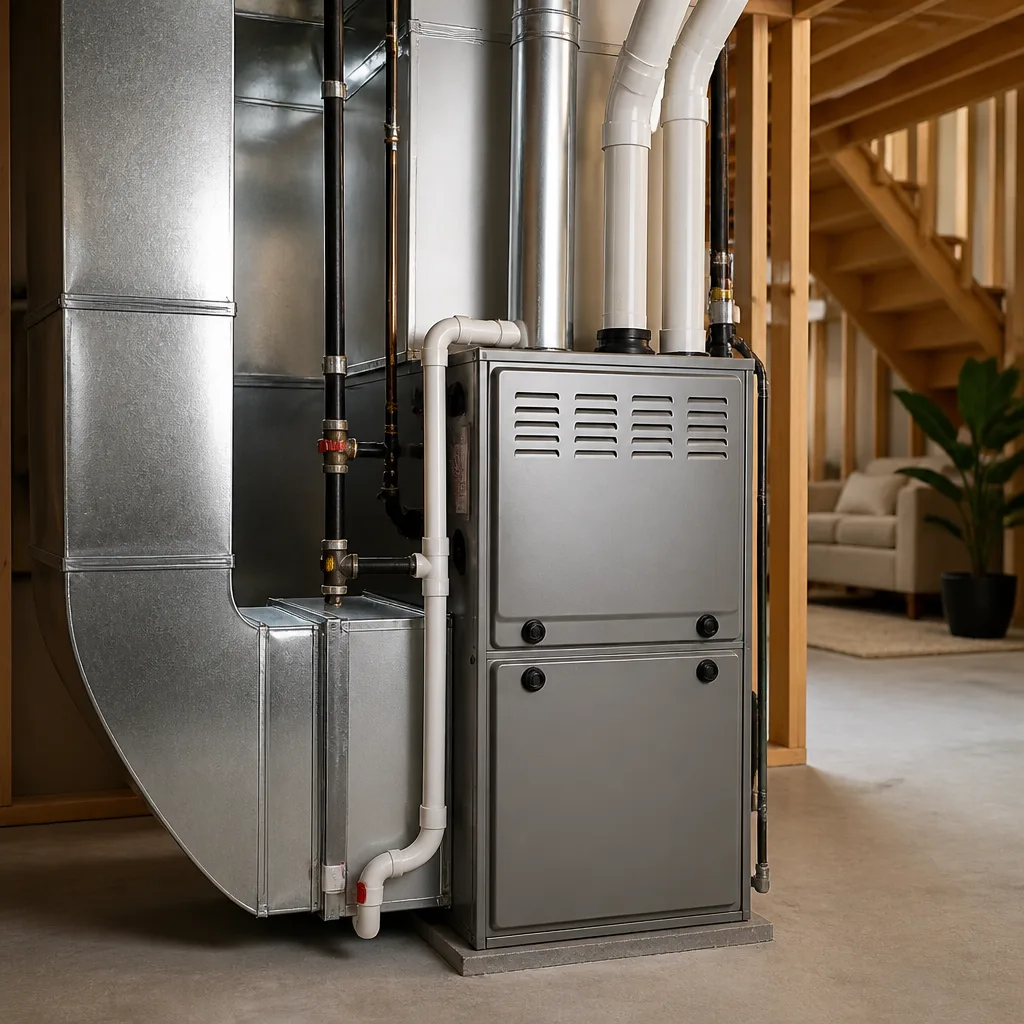 Furnace & heating
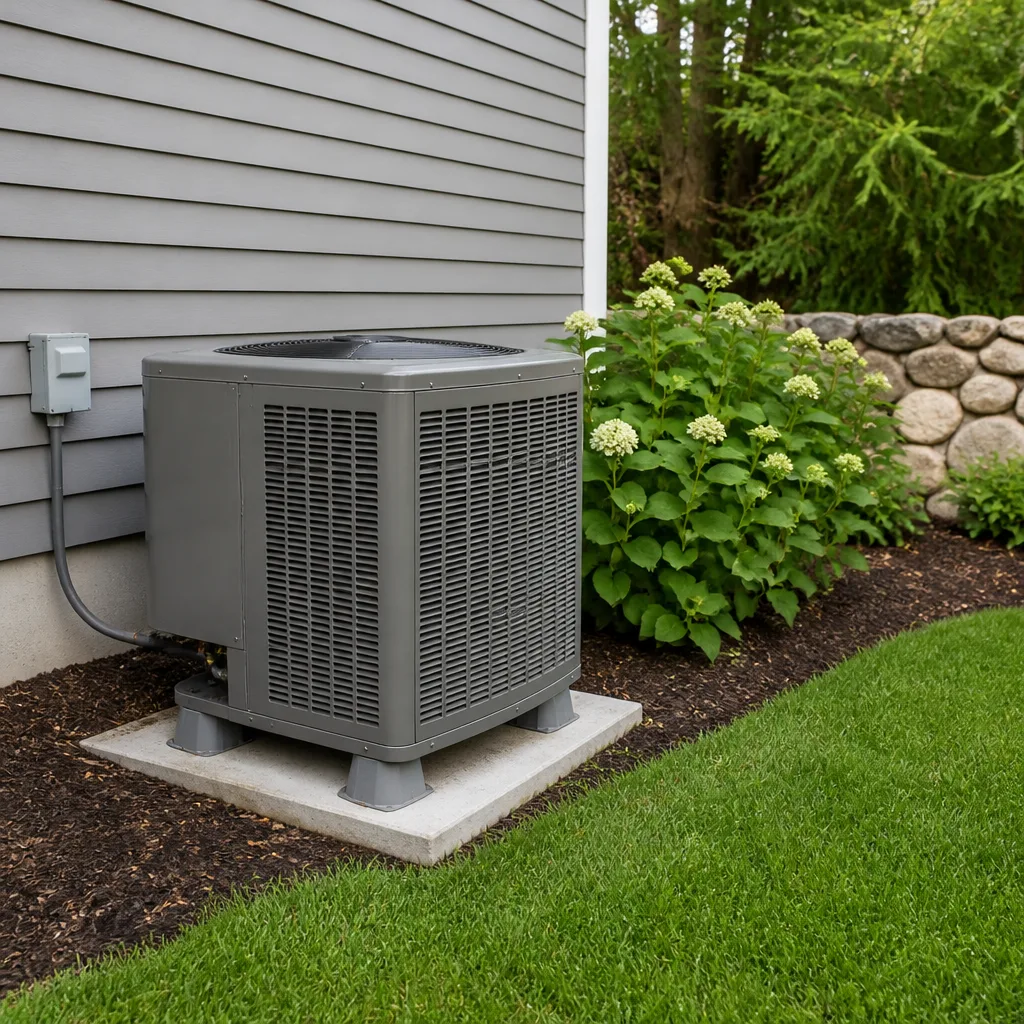 Heat pumps
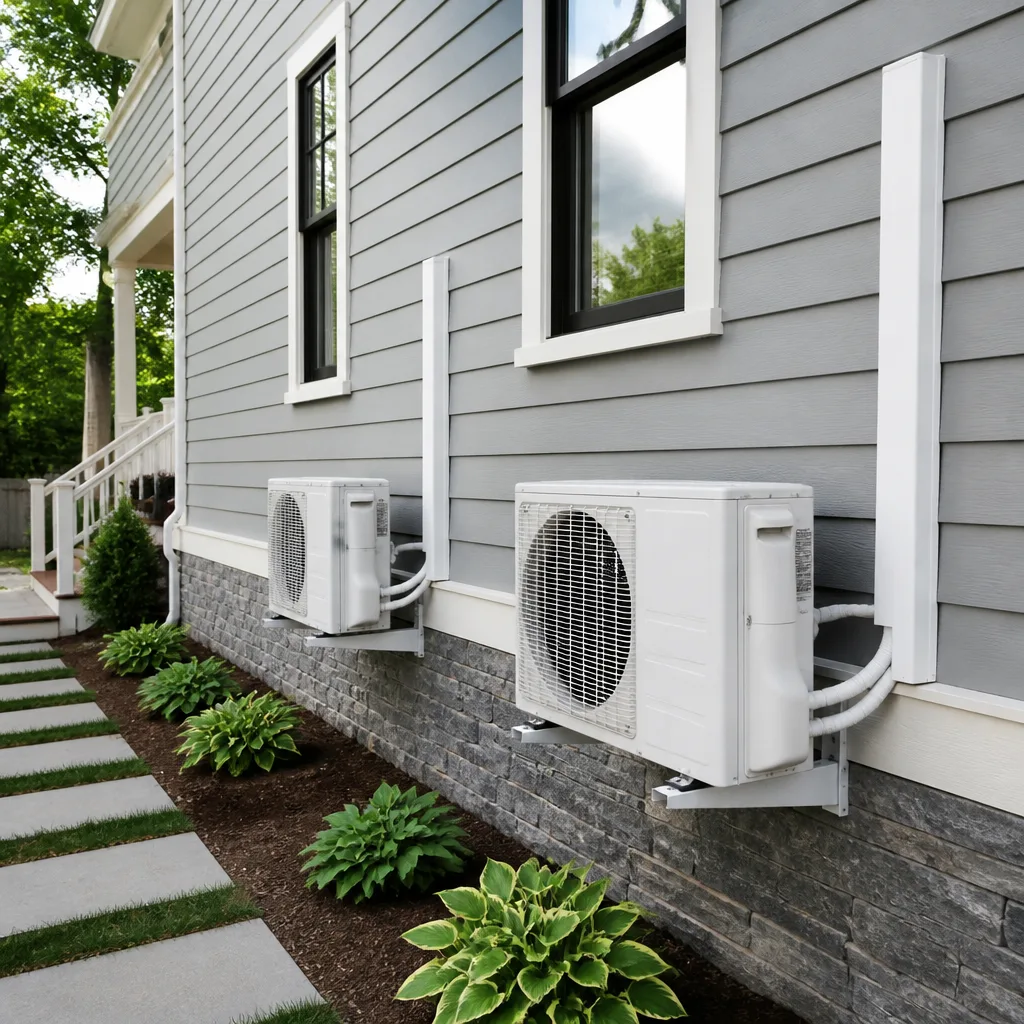 Ductless mini splits
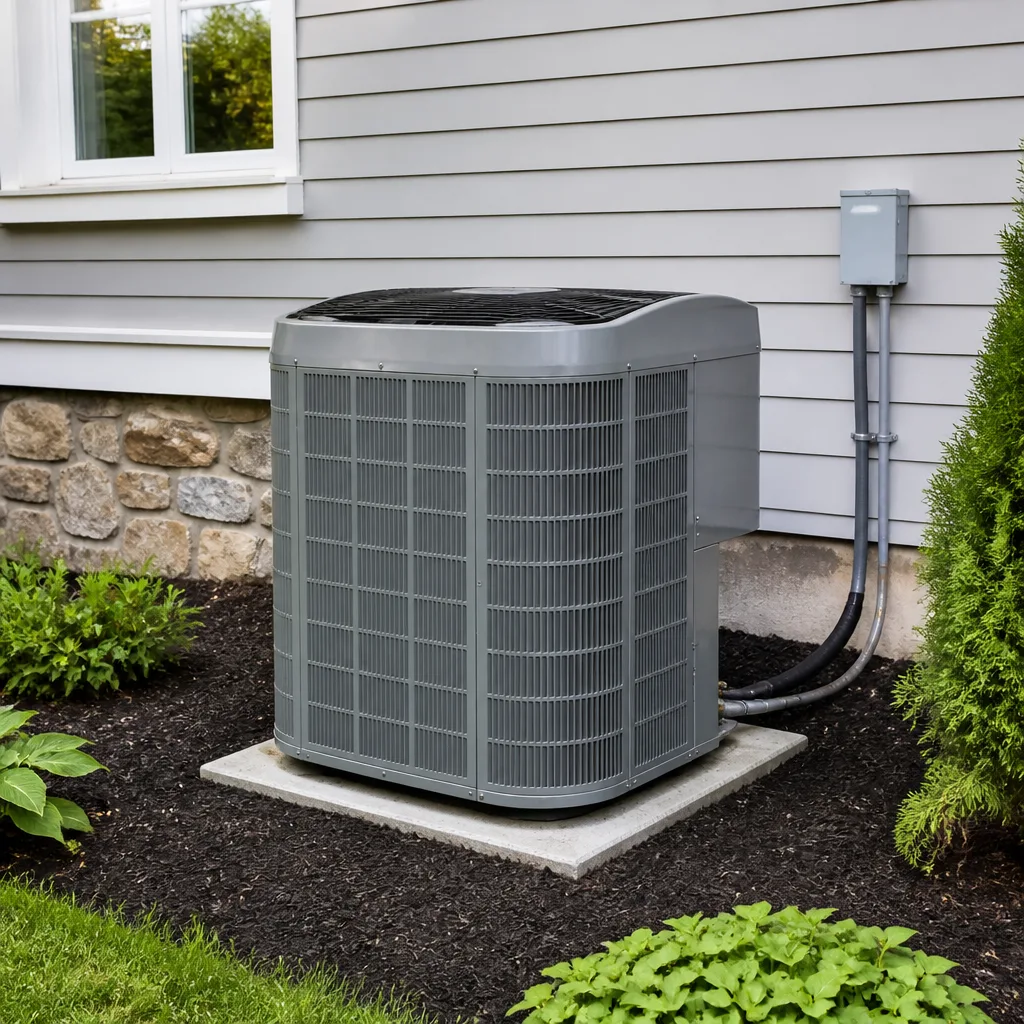 Carrier
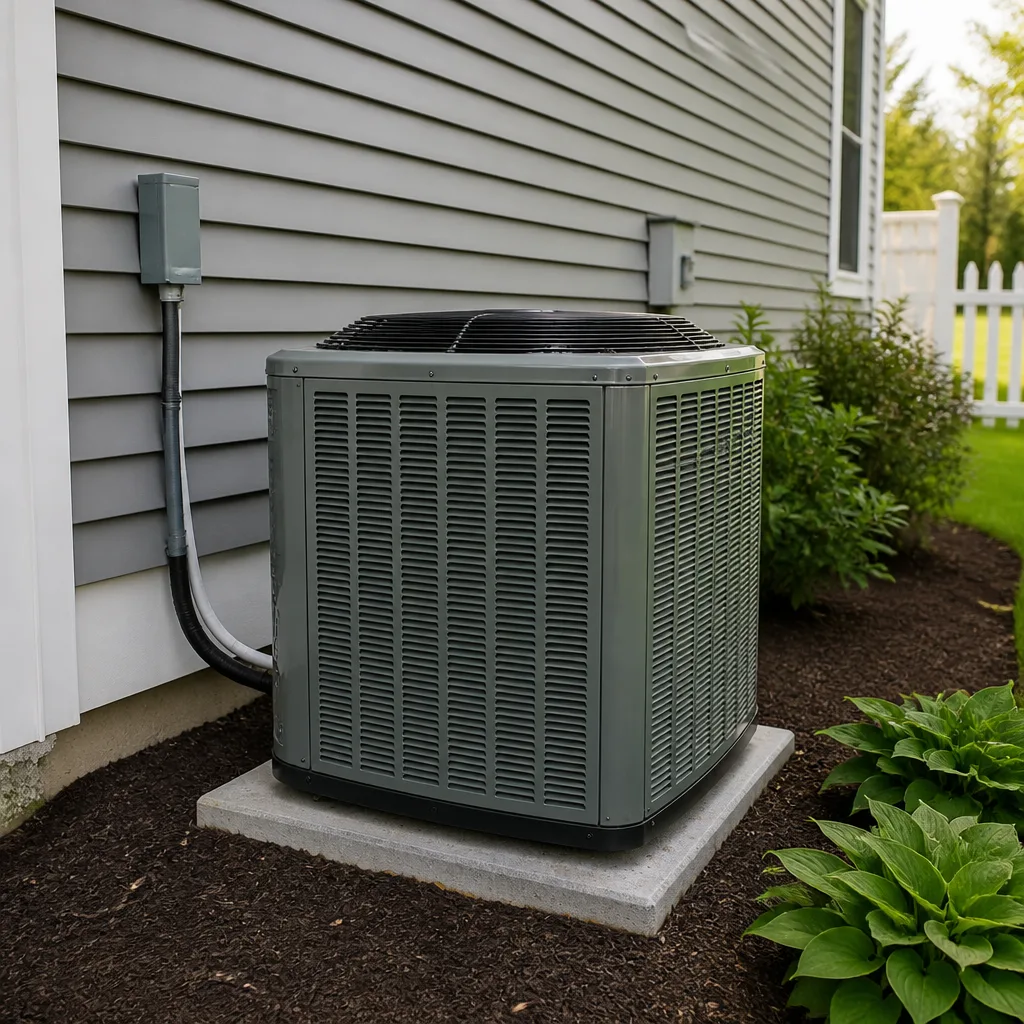 Trane
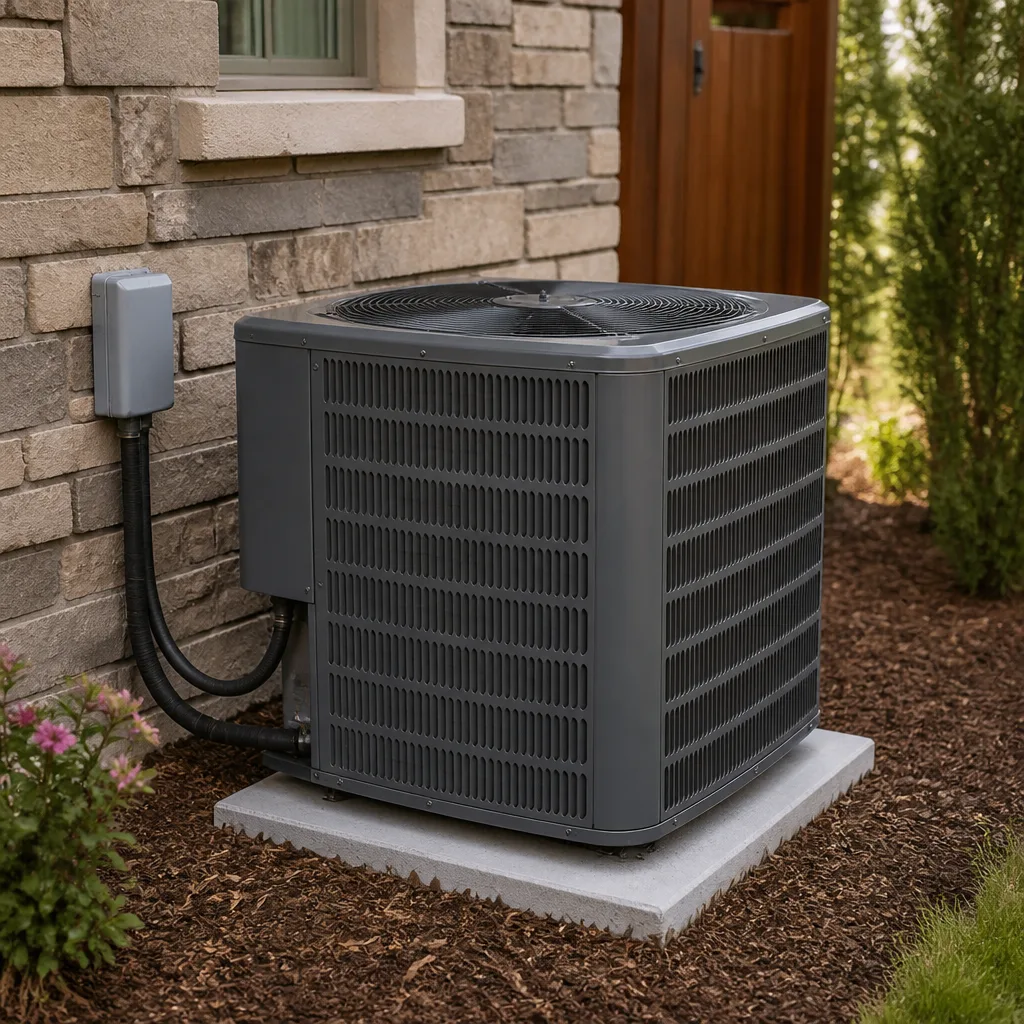 Goodman
Seasonal tune-up and full diagnostic on your Carrier, Trane, or Goodman system - readings shown to you before any repair is proposed
Diagnosis first, numbers second - you approve the repair price before a single part goes in.
Get your free estimateHVAC Cost Breakdown: The Whitney Homeowner’s Reference for 2026
Most HVAC cost guides quote national averages. Those numbers don’t hold up in Whitney, and they don’t hold up anywhere in the Las Vegas Valley. Desert-rated equipment costs more to buy. Refrigerant pricing runs higher here than in temperate markets. Peak-season labor demand pushes scheduled work toward the top of the national range. And Clark County permitting is a line item that national averages ignore entirely. This guide breaks down what Whitney homeowners actually face in 2026: equipment tiers by SEER2 and tonnage, repair costs for the parts that fail most, permit fees, and how to spot a padded quote before you sign.
Quick Answer
Air conditioning work in Whitney in 2026 runs roughly $150 – $450 for common repairs, $300 – $800 for major component replacements like a compressor, and $4,200 – $9,500 for a full system replacement depending on tonnage, SEER2 rating, and refrigerant type. Desert-rated equipment and Clark County permit fees add $400 – $1,200 above what a temperate-market guide would quote. A written estimate is what sets the final price on any job.
Styles & brands we work with
- AC installation
- Furnace & heating
- Heat pumps
- Ductless mini splits
- Carrier
- Trane
- Goodman
Table of Contents
- What drives HVAC cost in Whitney?
- Equipment cost tiers: entry, mid-range, and premium
- Labor cost realities in the Whitney and Henderson market
- Clark County permit fees and inspection costs
- Common AC repairs and their Whitney cost ranges
- How to tell if a quote is padded
- Repair or replace? A decision framework
- Common mistakes to avoid
What Drives HVAC Cost in Whitney?
Four things separate a Whitney AC quote from a national average. First, equipment specification. Cooling systems installed in the Las Vegas Valley have to run through summers that routinely push past 110°F, and a unit rated for a temperate climate will work harder and fail sooner here. Second, refrigerant. The transition to R-454B and R-32 refrigerants has changed pricing across the board, and systems still on R-410A can cost more to service when a recharge is needed. Third, labor demand. When it’s 112°F in Whitney, every technician in the valley is booked. Scheduled work in spring costs less to schedule than a mid-July failure, and any quote you get should reflect the job, not the calendar pressure. Fourth, permitting. Clark County requires permits for system replacements, and that fee belongs in your quote as a visible line.
None of those four factors appear in a national cost guide, which is why the numbers in those guides come in low. A 3-ton system quoted at a national average of $3,800 lands closer to $5,200 – $6,500 once desert-rated equipment, refrigerant handling, and permit costs are added in Whitney.
What a Whitney quote should itemize
- Equipment make, model, tonnage, and SEER2 rating
- Refrigerant type (R-410A, R-454B, or R-32) and whether a recharge is included
- Labor hours and the hourly rate behind them
- Clark County permit fee, listed separately
- Inspection cost, if it isn’t bundled into the permit
- Line-set, pad, disconnect, and thermostat if they’re part of the job
- Old equipment removal and disposal
If a quote shows one lump sum with no breakdown, ask for the itemization before you compare it to anything else. A number you can’t take apart isn’t a number you can evaluate.
Equipment Cost Tiers: Entry, Mid-Range, and Premium
Equipment pricing in Whitney breaks into three broad tiers, and the difference between them is mostly about efficiency, build quality, and how well the unit handles sustained desert heat. Tonnage matters too: a 2-ton system costs less than a 4-ton, but undersizing a unit for a Whitney home is a bigger problem than the price difference. A proper load calculation tells you what the house actually needs, and that number should drive the quote.
Entry tier
Single-stage units in the 14.3 – 15 SEER2 range, typically $4,200 – $5,800 installed for a 2- to 3-ton system. Brands like Goodman and Rheem sit comfortably in this tier. These units cool reliably but run at full capacity or not at all, which means more on-off cycling and slightly higher energy use. For a rental property or a homeowner planning to move within a few years, entry tier is a defensible choice.
Mid-range tier
Two-stage units in the 16 – 17 SEER2 range, typically $5,800 – $7,500 installed. Two-stage compressors run at partial capacity most of the time, which matters in Whitney because a system that runs longer at lower output handles sustained heat better than one that cycles hard. Brands like York and Daikin have strong mid-range offerings. This is the tier most Whitney homeowners land on.
Premium tier
Variable-speed or inverter-driven units at 18 SEER2 and above, typically $7,500 – $9,500 installed. These modulate output in fine increments, run quieter, and hold indoor humidity more evenly. Carrier, Trane, Lennox, Bryant, and American Standard all build in this range. The premium is real, and so is the comfort difference in a valley where the cooling season runs long.
What affects the final equipment number
- Tonnage. Every half-ton up adds cost. A 4-ton unit runs roughly $800 – $1,500 more than a 3-ton of the same tier.
- SEER2 rating. Each efficiency step up adds equipment cost, though the gap narrows as you move up the range.
- Refrigerant type. Newer refrigerants carry different pricing, and some systems require specific components to handle them.
- Desert suitability. Units rated for high-ambient operation cost more than standard units, and in Whitney that rating matters more than the efficiency number.
- Line-set and ductwork. If the existing line-set needs replacement or the ducts leak badly, that’s added labor and material.
- Permit and inspection. Clark County costs are separate from the equipment price and should appear as their own line.
When you’re ready to compare equipment, our AC installation page covers what the process involves from load calculation to commissioning.
Labor Cost Realities in the Whitney and Henderson Market
Labor in the Whitney and Henderson market runs higher than the national average, and the reason isn’t complicated. The cooling season here is long, the number of qualified AC technicians is finite, and demand spikes hard when temperatures climb. A scheduled replacement in March and a failed compressor in July both require a technician, but only one of them requires a technician today.
That’s the honest difference between scheduled and urgent work. Scheduled work gets quoted at a rate that reflects normal demand. Urgent work gets quoted at a rate that reflects the fact that the technician is being pulled from another job or working a longer day. That’s not a surcharge we add; it’s a market condition that shows up in every valley contractor’s pricing, and it’s one more reason to plan ahead. Booking a replacement in spring, before the first heat wave, is the single most effective way to keep labor costs down.
What drives labor cost on a Whitney job
- Access. A unit on a ground pad is faster to reach than one on a roof or in a tight attic.
- System age and condition. Older units have seized fasteners, brittle wiring, and rusted components that add time to every step.
- Diagnostic time. A technician who knows the brand moves faster. That’s why we work on the nine major brands: Carrier, Trane, Lennox, Goodman, Rheem, York, Daikin, Bryant, and American Standard. Familiarity with the specific unit in your home saves diagnostic hours.
- Repair scope. A capacitor swap is a 30-minute job. A compressor replacement is a half-day job with refrigerant recovery and recharge.
Our technicians have up to 8 years of experience, and that experience is built around the brands already installed in Whitney homes. When you call, the diagnosis starts with what’s actually in front of us, not a generic checklist.
Clark County Permit Fees and Inspection Costs
A system replacement in Whitney requires a permit from Clark County, and that fee belongs in your quote as its own line. It isn’t a surprise charge and it isn’t a contractor’s markup; it’s a cost of doing the job legally, and it protects you when the work is inspected.
Permit fees for a residential HVAC replacement typically run $150 – $400 depending on the scope and valuation of the job. The inspection, which is usually bundled with the permit, adds another $75 – $150 if it’s billed separately. On a full system replacement, that’s $225 – $550 of the total, and it should be visible in writing before work starts.
Why the permit matters
- It confirms the work was done to code. A replacement installed without a permit may not meet current refrigerant handling or electrical requirements.
- It protects your home’s resale. An unpermitted HVAC replacement can surface during a buyer’s inspection and complicate a sale.
- It covers the inspection. An inspector verifies the installation, refrigerant charge, electrical connections, and condensate handling.
- It shifts liability. If the installation fails inspection, the responsibility to correct it falls on the contractor, not you.
If a quote doesn’t mention the permit, ask. A contractor who plans to skip it is saving money at your expense. For a broader look at how a Whitney project comes together from start to finish, see our Whitney page.
Common AC Repairs and Their Whitney Cost Ranges
Most AC calls in Whitney come down to a handful of components. The ranges below reflect typical 2026 pricing for the Whitney and Henderson market, including parts and labor. They’re estimates, not a quote; the written estimate after diagnosis sets the final price.
| Repair | Typical Whitney Range (2026) | What It Covers |
|---|---|---|
| Capacitor replacement | $180 – $320 | Part, labor, system check |
| Contactor replacement | $200 – $350 | Part, labor, electrical verification |
| Refrigerant recharge | $250 – $650 | Refrigerant, leak check, labor |
| Coil cleaning | $200 – $450 | Evaporator or condenser coil, depending on access |
| Blower motor replacement | $400 – $750 | Motor, labor, airflow check |
| Compressor replacement | $900 – $2,200 | Compressor, refrigerant recovery and recharge, labor |
| Thermostat replacement | $150 – $400 | Thermostat, wiring, setup |
Capacitor and contactor
These are the cheapest fixes and the most common. A capacitor stores energy to start the compressor and fan; when it fails, the system won’t start or runs weakly. A contactor switches power to the compressor. Both are inexpensive parts, and both are fast to replace when the technician has the right one on hand.
Refrigerant recharge
Refrigerant doesn’t get used up; if the charge is low, there’s a leak. A proper recharge includes finding and addressing the leak, not just topping off the system. The refrigerant type matters for pricing: R-410A systems and newer R-454B systems have different costs, and the refrigerant itself has been a moving price point in the industry.
Coil cleaning
In Whitney, dust and debris build up on coils faster than in wetter climates. A dirty condenser coil makes the system work harder and can cause high head pressure, which shortens compressor life. Coil cleaning is one of the cheapest maintenance items and one of the highest-value ones for a desert climate.
Compressor replacement
The compressor is the heart of the system and the most expensive component. A replacement runs $900 – $2,200 depending on tonnage, refrigerant type, and warranty coverage. On a system that’s already near the end of its life, that cost needs to be weighed against replacement. For a full comparison, visit our AC repair page.
High-tension and electrical safety
Air conditioning equipment involves high-voltage wiring and, on the electrical side, potentially dangerous conditions. Capacitors can hold a charge after power is off, and opening the electrical panel is not a homeowner job. If you see burnt wiring, smell something hot, or the breaker trips repeatedly, shut the system off at the thermostat and call a trained technician. We handle diagnostics and repair; we don’t advise DIY work inside the unit.
How to Tell If a Quote Is Padded
Markup is not a dirty word. Every contractor marks up parts and labor, and a fair markup is what keeps a business alive and a warranty valid. The problem is when markup is buried in a lump sum, or when a quote lists a part at five times its shelf price and calls it labor. Here’s how to read a quote in this market.
Benchmarks for a fair quote in Whitney
- Parts markup of roughly 25 – 50% above cost is normal for HVAC components. A part you can buy for $50 showing up at $65 – $75 with labor listed separately is reasonable.
- Labor listed at a stated hourly rate is easier to evaluate than labor baked into a part price. Ask for both to be visible.
- The permit should be a line item, not folded into a “miscellaneous” charge.
- Diagnostic time should be stated. If the quote includes 2 hours of diagnosis for a bad capacitor, ask why.
- Warranty terms should be in writing. A fair price on a part with no warranty is not a fair price.
Red flags
- The quote is a single number with no breakdown, and the contractor resists itemizing.
- A part is priced far above retail with no labor shown separately.
- The diagnosis lands on a full system replacement when a repair would fix it.
- There’s no mention of a permit on a replacement job.
- The contractor quotes a brand they can’t actually service locally.
We’re a brand-agnostic AC specialist, which means we don’t push a specific manufacturer. If the right answer is fixing the system you have, we say so. If replacement makes more sense, we show you the math. It’s a straightforward way to avoid the padding problem, because there’s no incentive to steer you toward one brand over another.
Repair or Replace? A Decision Framework
The repair-versus-replace question is the one homeowners ask most, and the answer comes down to three numbers: system age, repair cost as a share of replacement cost, and the frequency of failures. Here’s the framework we walk through with Whitney homeowners.
- Check the system age. A modern AC unit has an expected service life of roughly 12 – 15 years. If yours is past that and facing a major repair, replacement usually wins.
- Compare repair cost to replacement cost. A common rule is that if a single repair costs more than 50% of a new system’s installed price, replacement deserves serious consideration.
- Count the failures. One repair in five years is normal. Two major repairs in two years suggests the system is in decline.
- Look at the energy bill. A system running on a failing compressor draws more power. If your summer bills have climbed year over year with no other explanation, the system is telling you something.
- Check the refrigerant. If the system uses an older refrigerant and the recharge cost is high, that’s a factor. Rule: a system on phased-out refrigerant with a leak is often a replacement candidate.
- Factor in desert suitability. A unit that wasn’t rated for high-ambient operation will fail faster in Whitney. Replacing it with a properly rated system is a reliability decision, not just a cost decision.
For a deeper dive into system selection and installation, see our AC Repair Whitney home page, which outlines how we approach repair, replacement, and maintenance as a single relationship rather than three separate transactions.
Common Mistakes to Avoid
- Using national averages to budget. A national cost guide would tell you to expect $3,800 for a 3-ton system. In Whitney, the realistic number is $5,200 – $6,500 once desert-rated equipment, refrigerant, and permit costs are factored in. Budget for the local number.
- Skipping the load calculation. A contractor who quotes tonnage by square footage alone hasn’t done the work. A proper load calculation accounts for insulation, window orientation, and the extreme heat in the valley, and it’s what tells you the right system size.
- Choosing a contractor who can’t service the brand. If the contractor has to look up the service manual for the equipment in your home, you’re paying for their learning curve. Ask which brands they work on before you book.
- Ignoring the permit line. A quote that omits the Clark County permit fee is either incomplete or plans to skip the permit. Both are problems, and both surface after the work is done.
- Waiting until the system fails to schedule maintenance. A system that’s serviced before peak heat season lasts longer and fails less often. In Whitney, postponing maintenance is a way to pay more later, not a way to save.
- Hiring a generalist for an AC-only problem. A plumbing and heating company that also does AC has divided attention. An AC-only specialist diagnoses faster and has seen more of the specific failures that show up in Whitney homes.
- Choosing the lowest bid without reading it. The lowest number is often the lowest scope. Compare what’s included, not just the total, and ask what’s left out.
See the difference
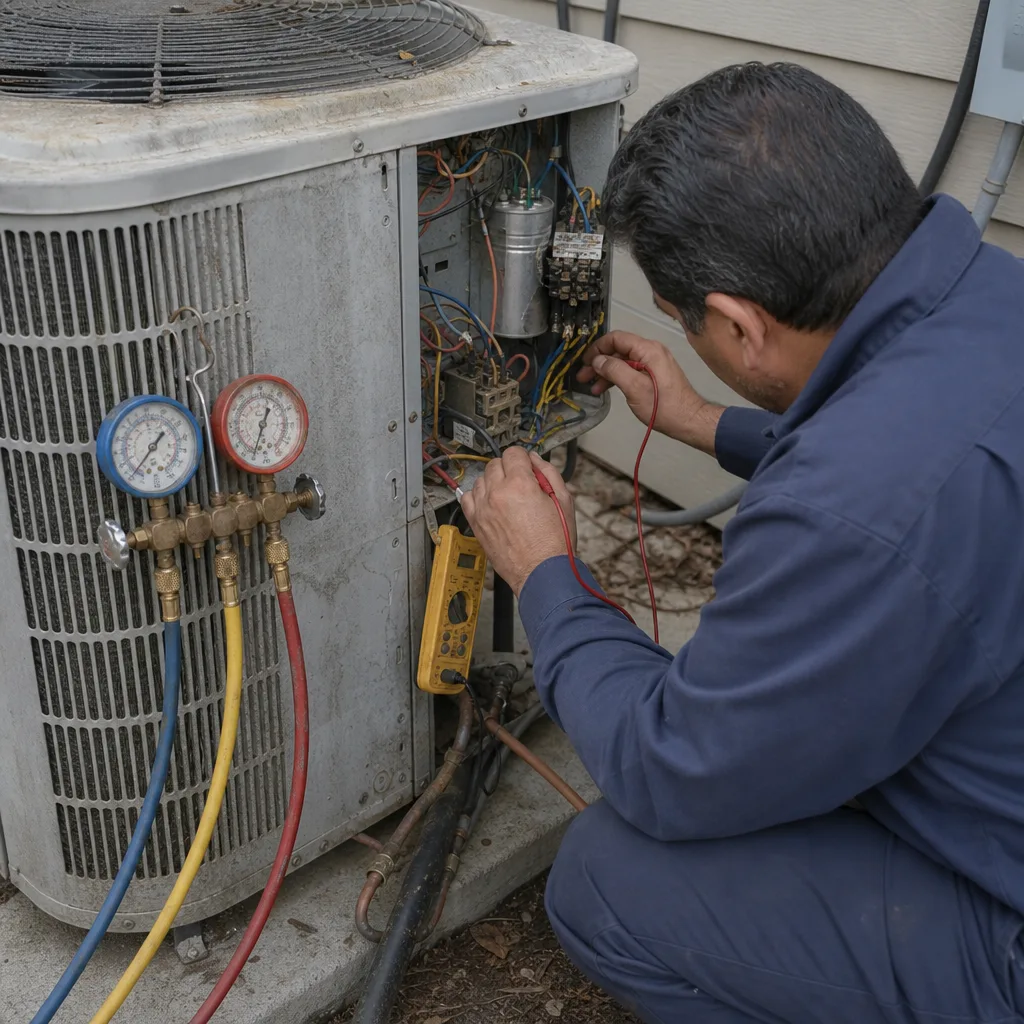 Before
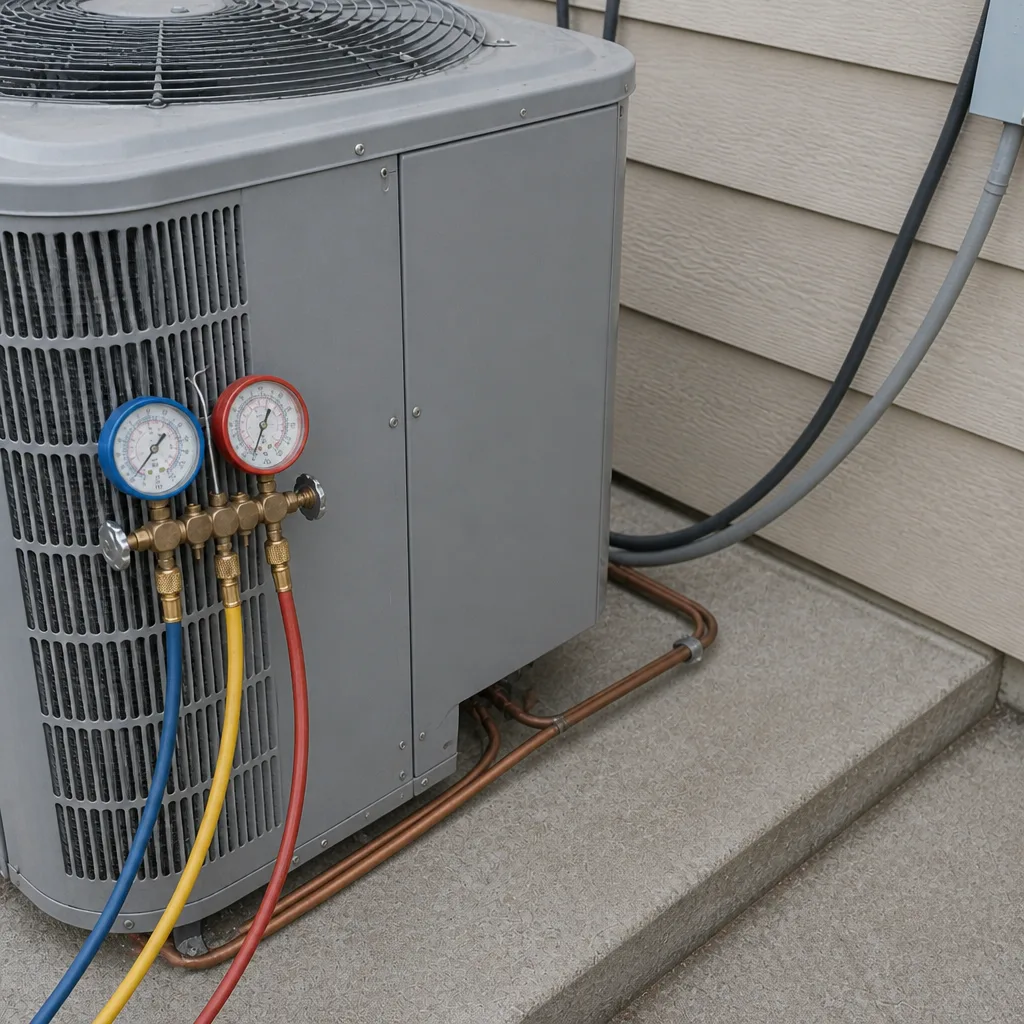 After
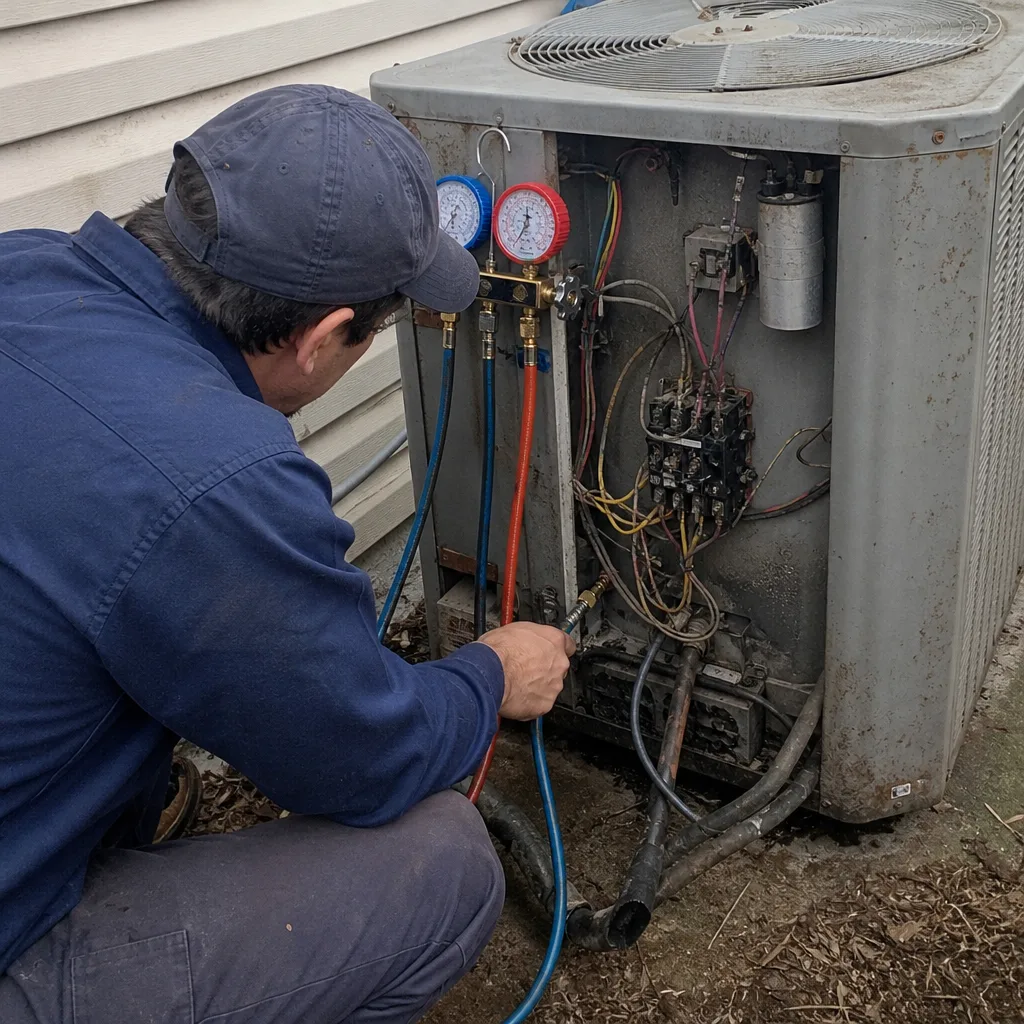 Before
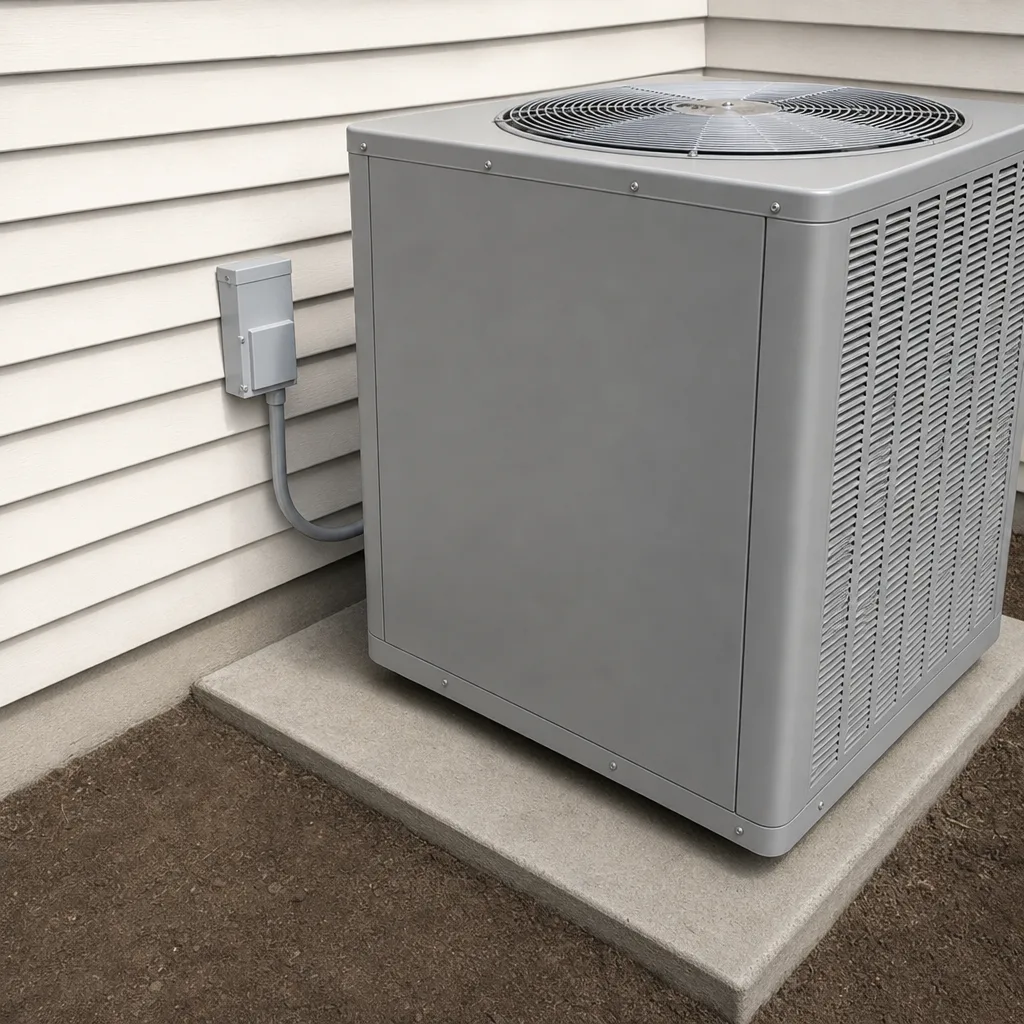 After
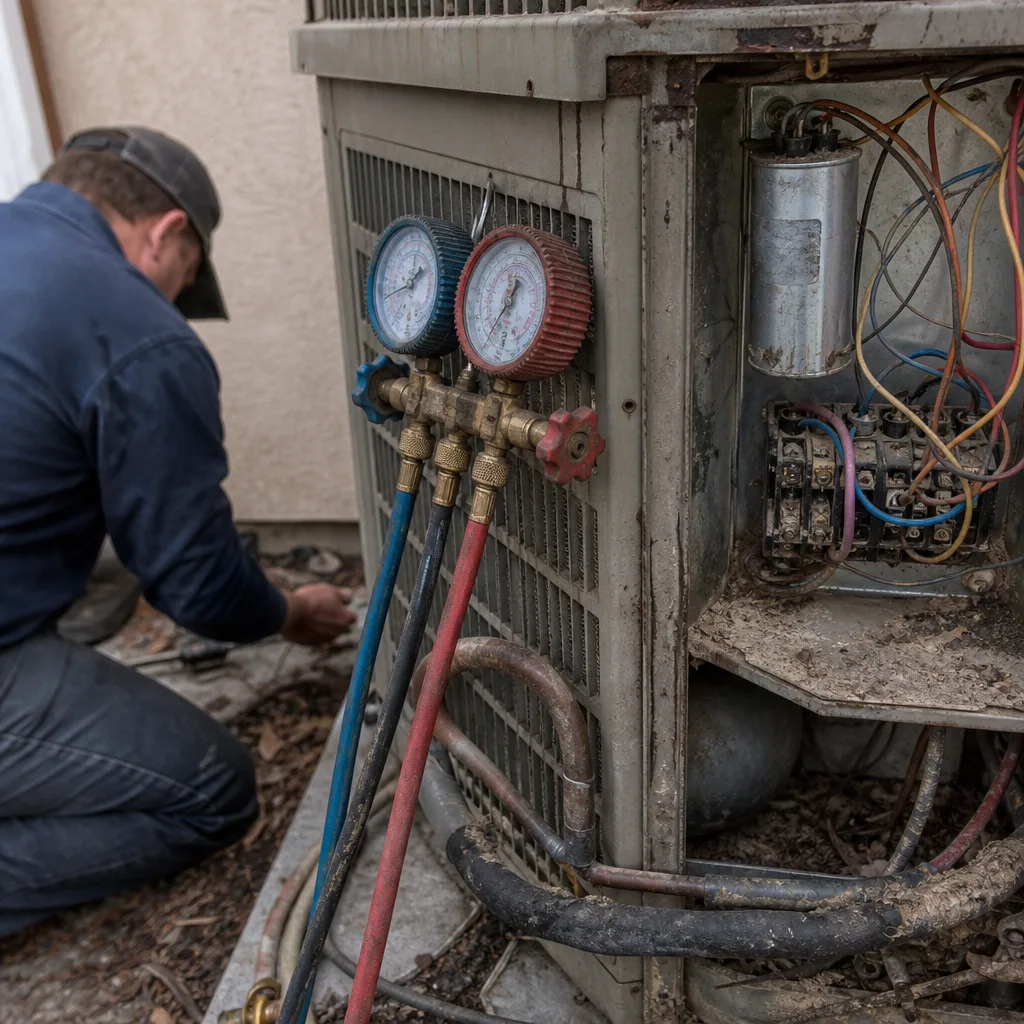 Before
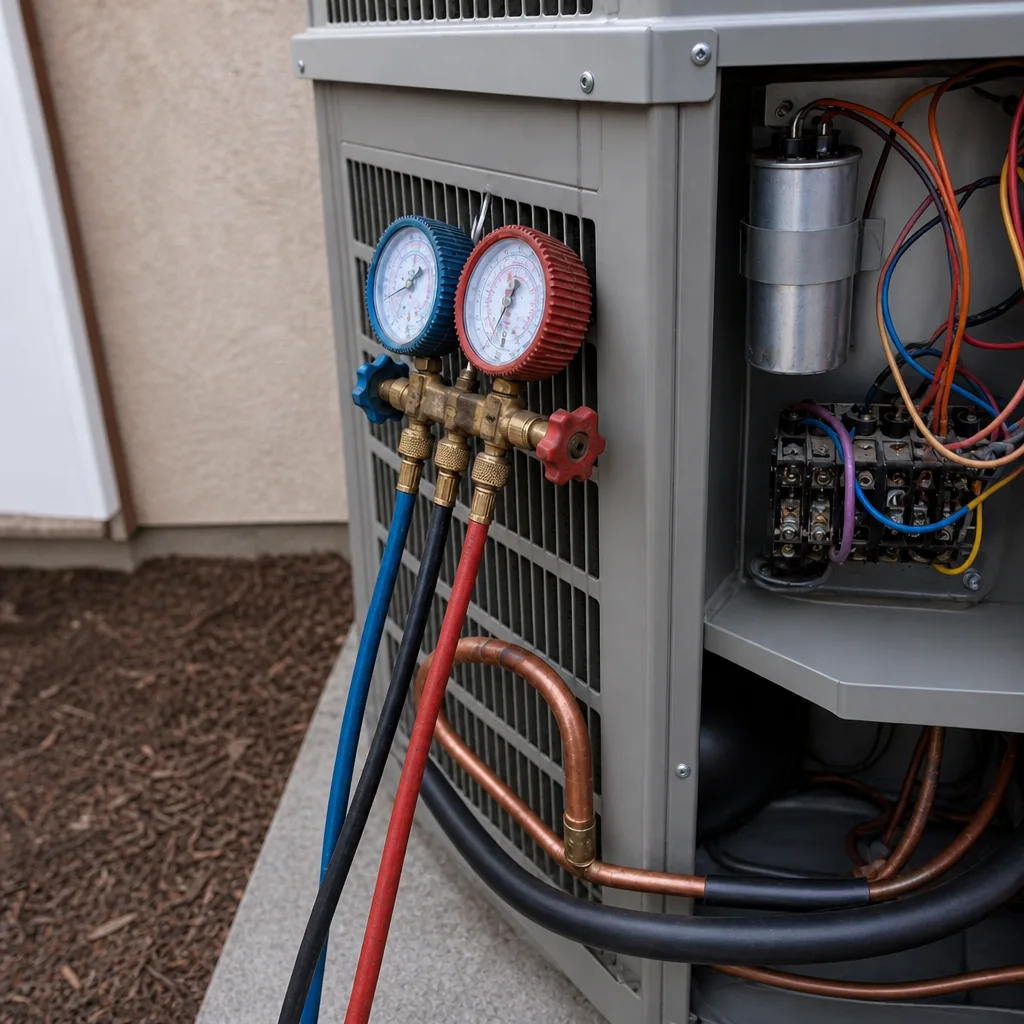 After
When to Call a Professional
Some AC problems are safe to investigate from the outside: a dirty filter, a thermostat set wrong, a tripped breaker. Most aren’t. If the system won’t cool, blows warm air, cycles on and off rapidly, leaks water, makes grinding or banging noises, or trips the breaker repeatedly, it’s time to call. Those symptoms point to refrigerant, electrical, or mechanical problems that need a trained technician with gauges and a multimeter, not a homeowner with a wrench. Our AC Repair Whitney team offers free estimates in Whitney for both repair and replacement. We answer 24/7. Fast dispatch from 7am to 7pm, Sunday through Friday, and we’re closed Saturday. Call (888) 691-6715.
Frequently Asked Questions
Most AC repairs in Whitney run $150 – $450, with the average landing in the $200 – $350 range. Common repairs like a capacitor or contactor replacement are at the low end; a blower motor or compressor replacement runs higher. Call (888) 691-6715 for an exact quote. Estimates are free.
Desert-rated equipment costs more, refrigerant pricing is higher, peak-season labor demand is strong, and Clark County permit fees add $225 – $550 on a replacement. A 3-ton system that runs $3,800 nationally lands closer to $5,200 – $6,500 in Whitney.
Yes. A system replacement in Whitney requires a Clark County permit, and the fee should be a visible line in your quote. Most residential replacement permits run $150 – $400, and the inspection adds $75 – $150 if billed separately.
Entry tier runs $4,200 – $5,800 installed, mid-range runs $5,800 – $7,500, and premium runs $7,500 – $9,500, depending on tonnage, SEER2 rating, and refrigerant type. A proper load calculation determines the right size before you compare prices. Call (888) 691-6715 for a free estimate.
If the system is past 12 – 15 years old, the repair costs more than half of a new system, or it’s failed twice in two years, replacement usually makes more sense. If it’s younger and the repair is straightforward, repair wins. A diagnostic visit gives you the numbers to decide.
We’re closed Saturday and open Sunday through Friday, 7am to 7pm. We answer the phone 24/7, and calls outside dispatch hours are booked into the next opening, Sunday through Friday. Call (888) 691-6715.
We work on Carrier, Trane, Lennox, Goodman, Rheem, York, Daikin, Bryant, and American Standard. That covers the equipment already installed in most Whitney homes, and it means we don’t push you toward one manufacturer.
The Bottom Line
Budget from local numbers, not national averages. In Whitney, a common repair runs $150 – $450, a major component replacement runs $300 – $2,200, and a full system replacement runs $4,200 – $9,500 before you account for the desert-rated equipment premium and the Clark County permit. The most effective ways to control cost are the boring ones: schedule maintenance before peak heat, get a load calculation before you buy, ask for an itemized quote, and confirm the permit is included. When something fails, call a specialist who knows the brand in your home. We answer 24/7. Fast dispatch from 7am to 7pm, Sunday through Friday. We’re closed Saturday. Call (888) 691-6715 for a free estimate.
Written by the team at AC Repair Whitney.