
Last updated November 17, 2026
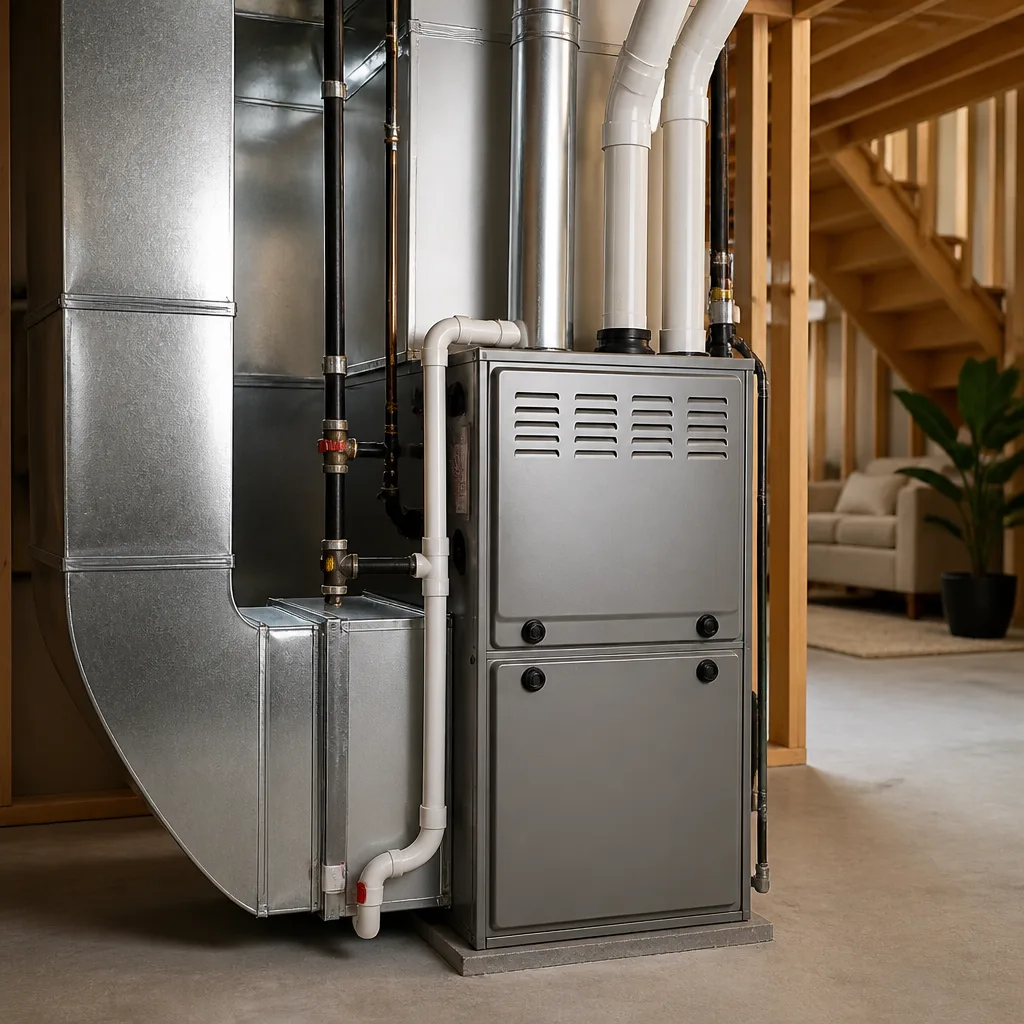 Furnace & heating
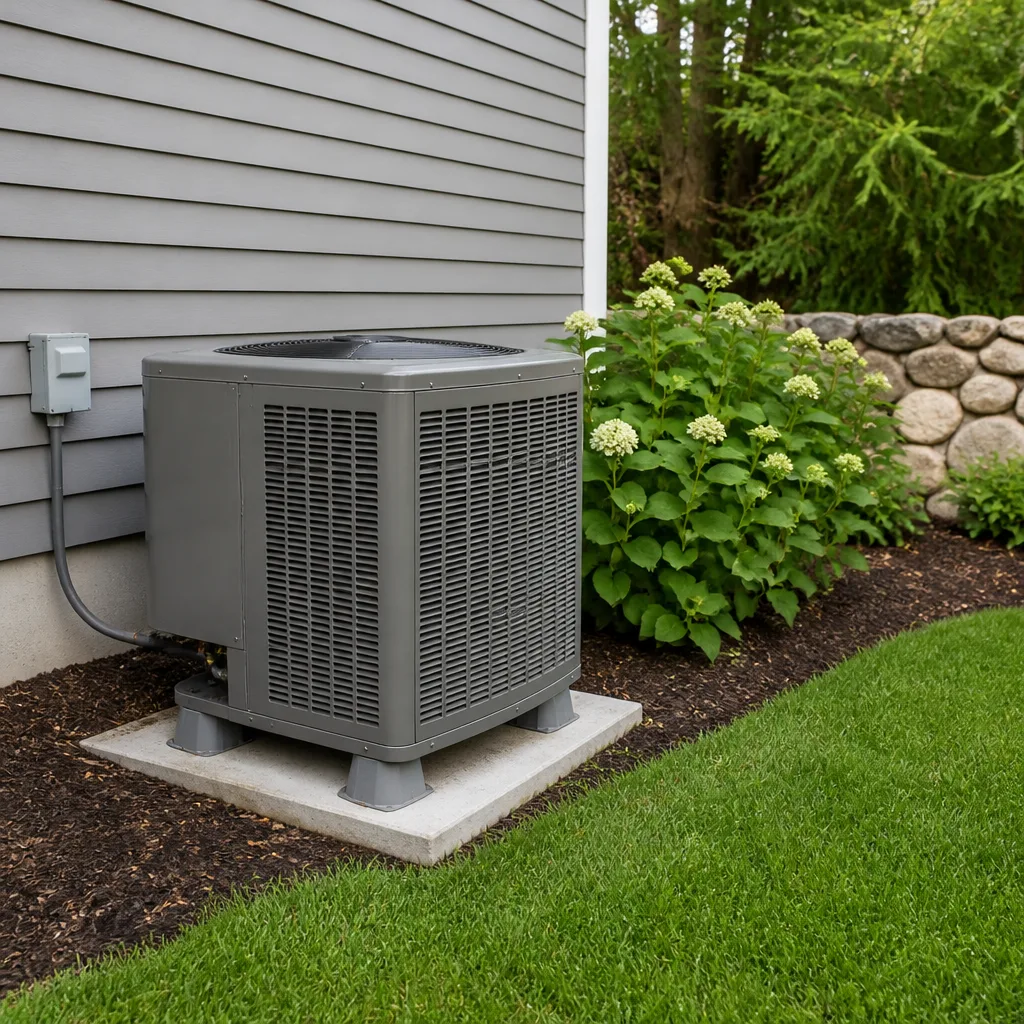 Heat pumps
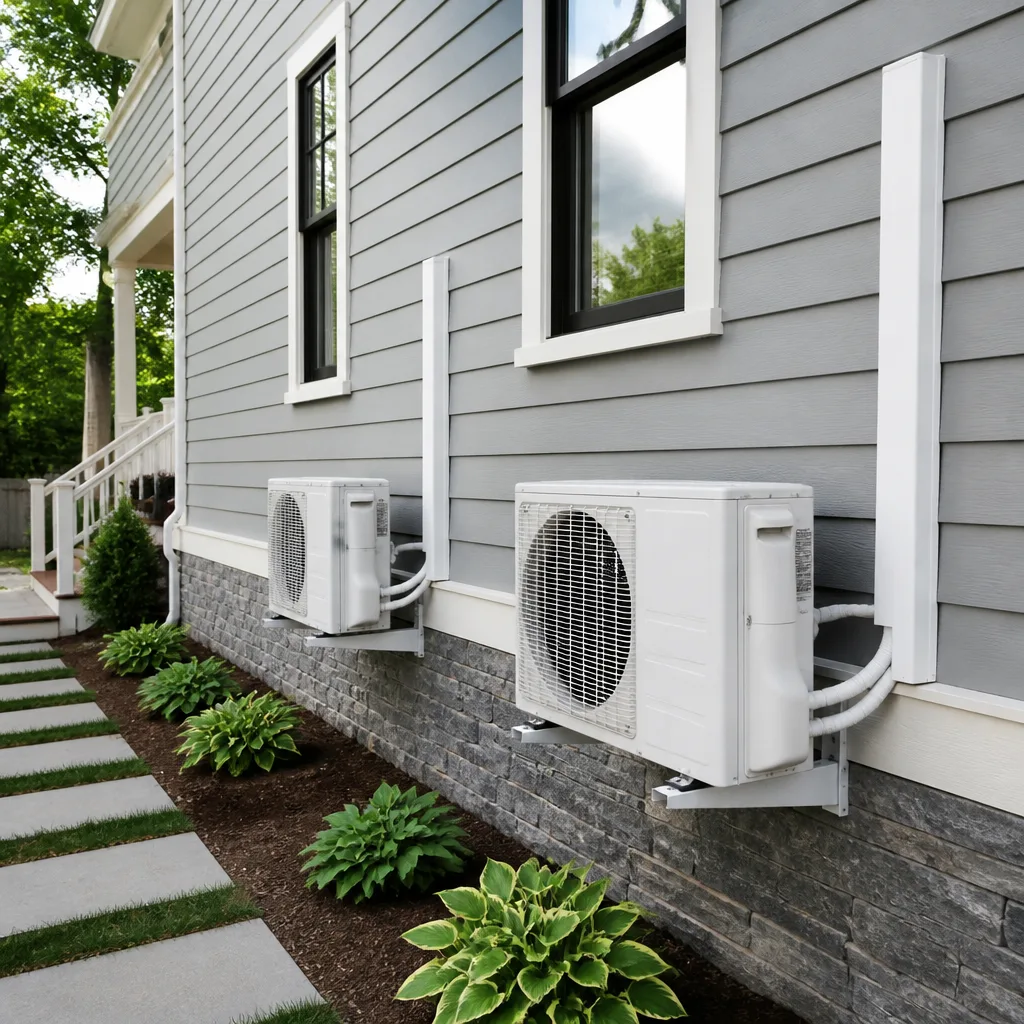 Ductless mini splits
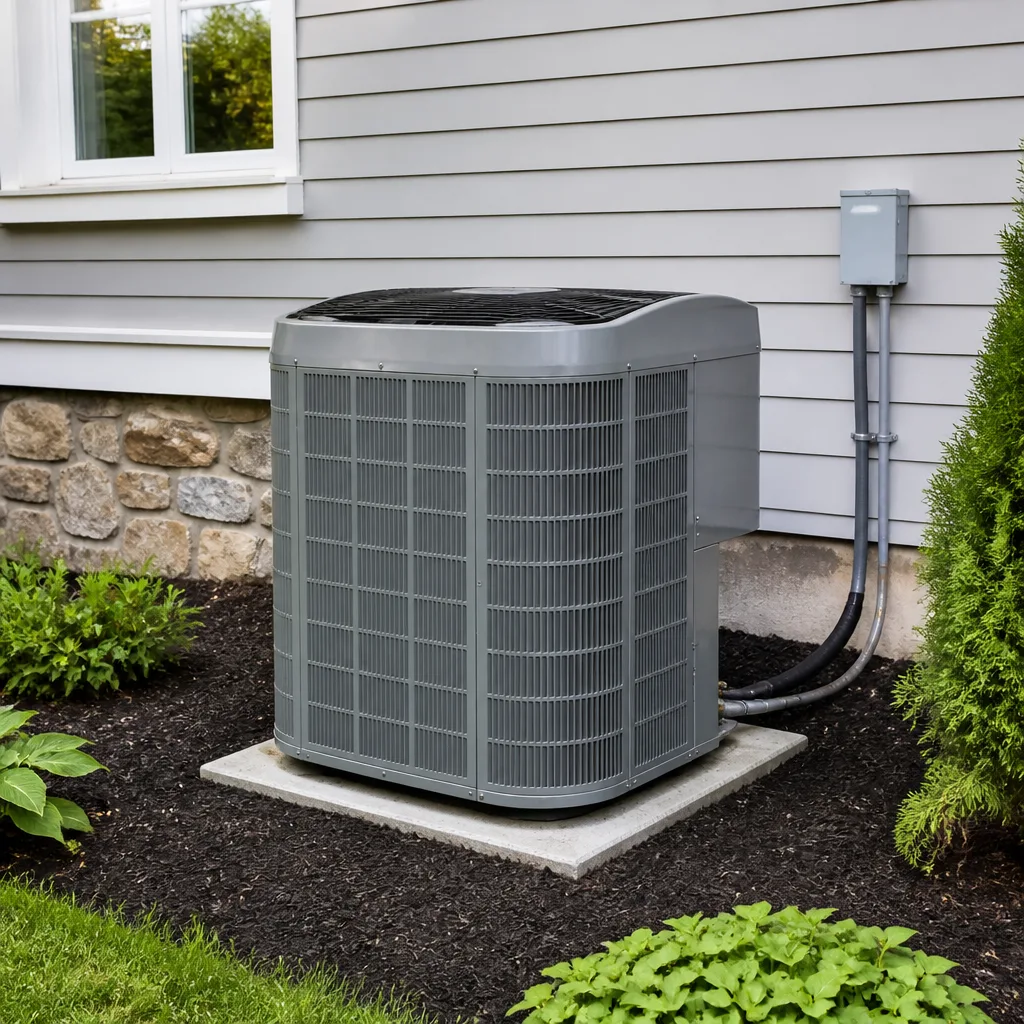 Carrier
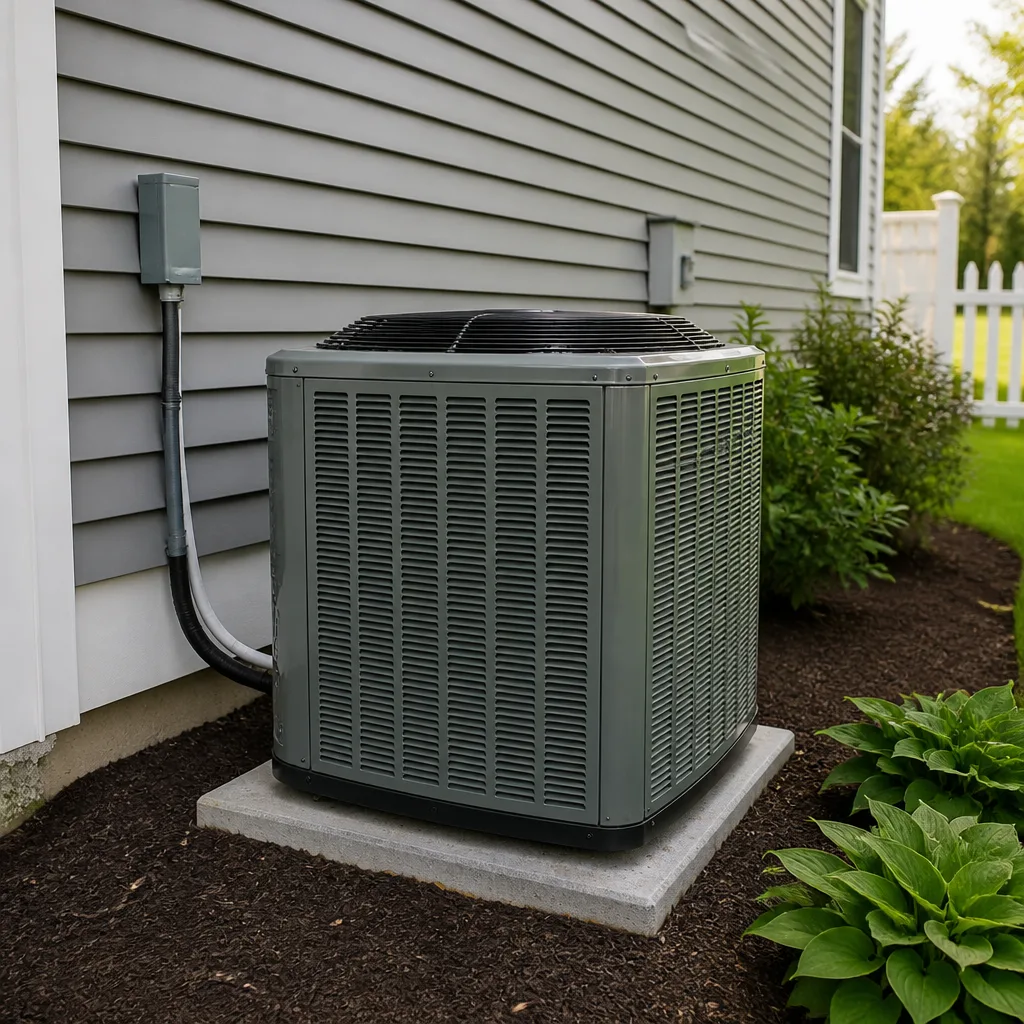 Trane
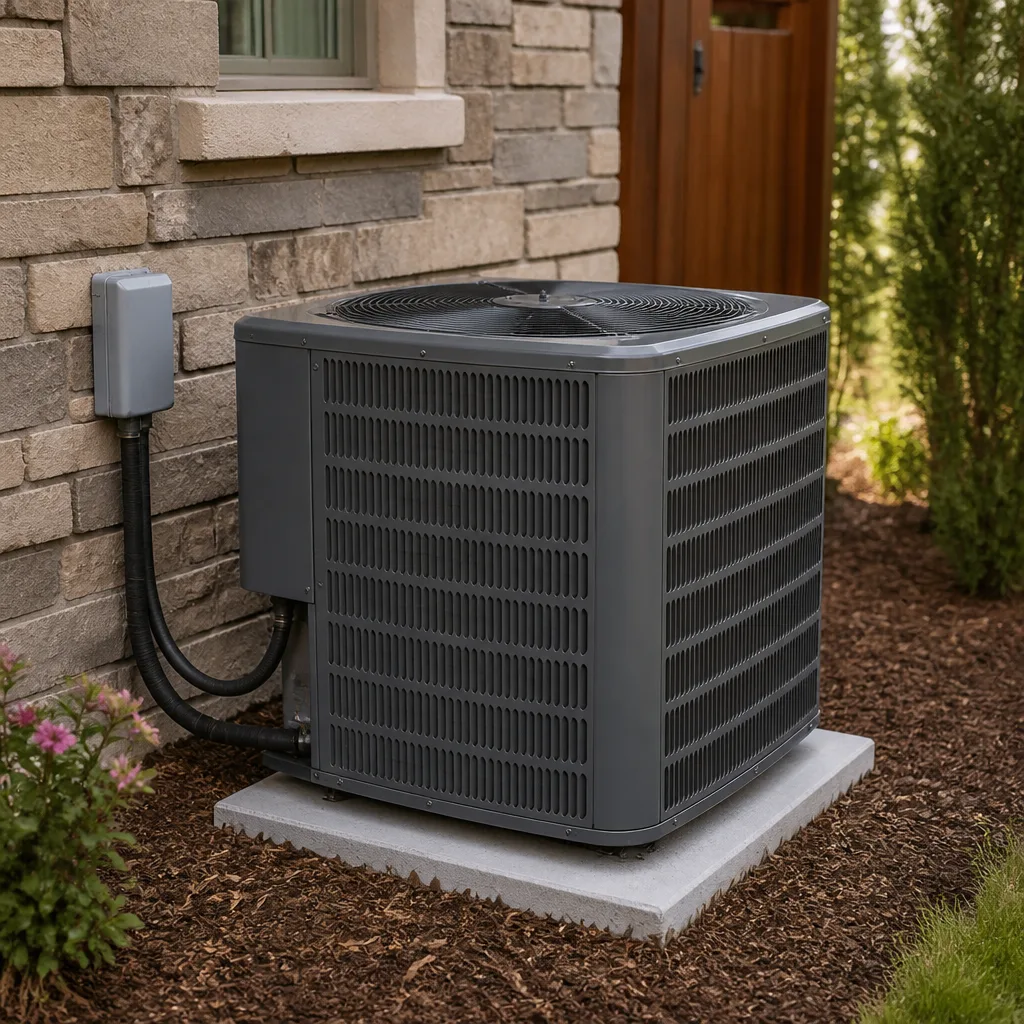 Goodman
Seasonal tune-up and full diagnostic on your Carrier, Trane, or Goodman system - readings shown to you before any repair is proposed
Diagnosis first, numbers second - you approve the repair price before a single part goes in.
Get your free estimateHVAC Emergency Preparedness Guide for Whitney Homes
Most homeowners treat an AC failure like a flat tire: annoying, inconvenient, something to deal with when it happens. In Whitney, that framing gets people hurt. When the desert sits above 105°F for days, a dead condenser stops being a comfort problem and becomes a medical one, especially in homes with elderly residents, infants, or pets. The households that come through a heat event safely aren’t the lucky ones. They’re the prepared ones, and preparation starts weeks before the compressor ever quits. This guide covers what to do in the first 30 minutes of a failure, how to assess who in your home is heat-vulnerable, which spare parts are worth keeping on a shelf, and how to build a real priority relationship with an AC specialist in Whitney before you need one.
Styles & brands we work with
- AC installation
- Furnace & heating
- Heat pumps
- Ductless mini splits
- Carrier
- Trane
- Goodman
Quick Answer
HVAC emergency preparedness in Whitney means treating your air conditioning as life-safety equipment, not an appliance: know who in your household is heat-vulnerable, keep a small stock of common failure parts and filters matched to your unit, have a written plan for the first 30 minutes of a failure during a triple-digit stretch, and establish a relationship with an AC-only specialist before peak season so dispatch and parts prep happen fast. The goal isn’t to fix your own system. It’s to buy time safely and shorten the window between the failure and a working unit.
Table of Contents
- Why AC Failure Is a Medical Event in Whitney, Not an Inconvenience
- The First 30 Minutes of an AC Failure at 105°F+
- Household Vulnerability Assessment: Who Is at Risk and What It Changes
- Building a Priority Service Relationship Before You Need One
- Spare Parts Worth Keeping: Capacitors, Contactors, and Filters
- How to Describe Symptoms to a Technician Over the Phone
- Keeping a System History That Accelerates Every Future Repair
- Common Mistakes to Avoid
- When to Call a Professional
- Frequently Asked Questions
Why AC Failure Is a Medical Event in Whitney, Not an Inconvenience
Nevada’s Clark County has recorded heat-related deaths in homes where the AC failed during triple-digit stretches. That fact alone should reframe how you think about your system. The human body cools itself through sweat evaporation, and that mechanism falls apart when indoor temperatures climb past the mid-90s with low humidity: sweat evaporates too fast to carry heat away efficiently, dehydration sets in quickly, and the people least able to notice the danger are often the ones most affected.
In Whitney, the combination of prolonged heat and homes built for cooling efficiency rather than passive ventilation means a failed system has nowhere to dump heat. There’s no basement cool air to retreat to, no evening breeze worth counting on. A house that’s 78°F at noon can be 95°F by late afternoon with the system off.
What this changes for homeowners:
- Response time matters more than price. A four-hour repair and a 48-hour wait are different health outcomes, not different line items on an invoice.
- The people who need your help fastest often can’t advocate for themselves. Elderly residents may not feel overheated, and infants can’t tell you anything.
- Prevention is the cheapest emergency plan. A maintained system fails less often and fails more predictably.
This is why we built AC Repair Whitney around AC only. When the call is urgent and the diagnosis has to be fast, working on nothing but air conditioning means we’re not splitting attention between furnaces, plumbing, and everything else. Our technicians have up to 8 years of experience, and we know the failure patterns of the major brands we work on: Carrier, Trane, Lennox, and American Standard among them.
The First 30 Minutes of an AC Failure at 105°F+
Most homeowners panic and start opening windows. In a Whitney heat event, that’s often the wrong move: if the outdoor air is 108°F and your indoor air is 88°F, opening up lets heat in faster than it lets anything out. The first 30 minutes should focus on slowing the interior temperature rise while you get a technician lined up.
Here’s the sequence we recommend:
- Close every window and exterior door. Keep the heat outside. In dry desert air, sealing the house buys hours.
- Close blinds and curtains on sun-facing walls. Direct solar gain through glass can add several degrees to a room in minutes.
- Turn off all heat-generating appliances. The oven, the dryer, the dishwasher, incandescent lights. Every watt of waste heat counts now.
- Set up cross-ventilation with fans only if outdoor air is cooler than indoor air. Usually that means fans pulling cool air from a shaded side of the house, or running ceiling fans to move the air you have. Ceiling fans don’t cool the air, but they help your body shed heat.
- Move everyone to the coolest room on the lowest floor. Gather there instead of spreading out through the house.
- Call a specialist and describe the failure precisely. “System won’t turn on, breaker is fine, thermostat is calling” gets a different response than “it’s broken.”
- Start hydrating everyone, including pets, on a schedule. Don’t wait for thirst.
- If indoor temperatures climb past the mid-90s, relocate. A cooling center, a relative’s home, a library. Getting out early is not overreacting.
We answer 24/7. Fast dispatch from 7am to 7pm, Sunday through Friday. A call outside dispatch hours is booked into the next opening, Sunday through Friday, 7am to 7pm.
Household Vulnerability Assessment: Who Is at Risk and What It Changes
Not every household faces the same risk when the AC goes down. Before peak heat season, do a quick assessment of who lives in your home and whether any of them belong to a heat-vulnerable group. This isn’t about labeling anyone; it’s about deciding how fast you need to act and whether you need a backup plan at all.
Ask yourself whether anyone in the household fits any of these:
- Age 65 or older. Older adults often have a diminished sense of thirst and a reduced ability to regulate body temperature. They may not feel overheated when they are.
- Under age 5. Young children produce heat faster relative to their body size and are more dependent on adults to recognize the danger.
- Pets, especially flat-faced breeds, elderly animals, or animals in cages or outdoors. Pets cannot retreat to a cooler place on their own.
- Anyone taking medications that affect sweating or hydration. Certain prescriptions, including some for blood pressure and mental health, interfere with the body’s cooling mechanisms. Ask a doctor if you’re unsure.
- Anyone with a chronic illness, limited mobility, or cognitive impairment. These can make it hard to notice or respond to rising heat.
What the assessment changes: if any of these apply, your response plan needs a low threshold for relocating. Don’t wait for indoor temperatures to become dangerous. Set a trigger temperature, like 85°F indoors, and leave for cooler ground the moment you hit it. If no one is vulnerable, you have more room to ride out a repair, but a plan still shortens the panic.
Our AC maintenance visits help with this because we look at the whole system’s condition and give you a sense of what’s aging and what’s holding. That’s what a maintenance relationship with an AC specialist is really for.
Building a Priority Service Relationship Before You Need One
This is the piece most homeowners skip, and it’s the piece that makes the difference. A priority relationship with an AC specialist means three things in practice: the company already has your system on file, they know its history, and you’re a known customer when the heat wave hits and every phone in the valley is ringing at once.
What it actually means logistically:
- Your equipment details live in the service record. Model, age, prior repairs, refrigerant type, and any known quirks.
- Someone has actually seen your system. Maintenance visits aren’t free from a cost standpoint, but they mean the first diagnosis isn’t happening blind.
- You’ve had a real conversation about the system’s end of life. If the unit is aging, you should know it before it fails, not during a triple-digit stretch.
- Your contact information and address are already in the system. No fumbling for details in the middle of a crisis.
The practical reality of a desert heat wave is that AC calls spike hard. Everyone’s system fights the same weather, and when the week tops 110°F, the household that has an existing relationship and an up-to-date record gets triaged faster than the cold call. That’s not a luxury – it’s a matter of having your file ready to go.
We work on the brand already in your home. Whether it’s a Goodman that’s fifteen years old or a fresh Daikin, we’ve likely seen the specific failure pattern. Our AC repair focus means we’re diagnosing fast because we’ve done it many times over.
Spare Parts Worth Keeping: Capacitors, Contactors, and Filters
A failed capacitor is one of the most common reasons a system won’t start, and it’s also one of the cheapest parts to have on hand. In our experience, having a spare capacitor and contactor on a shelf and a stock of correct-size filters doesn’t make the repair happen faster, but it means the technician arriving on-site has a smaller chance of finding the exact part is unavailable and the job has to pause.
The parts worth keeping depend on your unit. Start by checking the label on the outdoor condenser; it lists the model and serial numbers, and from those you can identify the right specs. Then:
- Run capacitor. Match the microfarad rating and voltage exactly. Most residential units have a run capacitor with specs printed on the side. A mismatch is worse than no spare.
- Start capacitor. Only if your system uses one. Many modern units don’t. Check the existing one.
- Contactor. Match the pole count and amperage rating to your unit’s wiring diagram. This is the switch that fires the compressor.
- Filters. Keep a year’s worth of the correct size for your return air grille. In Whitney’s dust, filters load faster than manufacturers’ recommendations suggest.
We’ve seen plenty of systems fail because the homeowner had the right part but not the right specs, or the wrong part crammed in. If you’re not certain, don’t guess. Describe what’s on the label, and a technician can tell you if a spare is worth buying. This is exactly the kind of detail a call to the shop can sort out in minutes.
If the system is at the end of its life rather than in need of a part, we handle AC installation as well, and we do it through the same AC-only lens.
How to Describe Symptoms to a Technician Over the Phone
A good AC technician can often narrow down the likely failure to two or three possibilities before arriving, and that changes what parts they prep and how quickly the job can start. The phone call is not a formality; it’s the beginning of the diagnosis.
Here’s what to have ready and what to say:
- Name and model of the unit. Look at the outdoor condenser label and read it off. If you don’t know it, say “I don’t know” and have the label visible so a technician can walk you through reading it.
- What happens when you turn it on. “Nothing at all,” “the fan runs but it doesn’t blow cold,” “it blows cool for a few minutes then warms up,” “there’s a click and a hum and then a shutdown.” Each is a different trail.
- Any unusual sounds. Clicking, humming, grinding, hissing, screeching. Clicking and humming often point to a capacitor or contactor. A hissing could indicate a refrigerant issue.
- Break tripped? If the breaker tripped, say so. If you reset it and it tripped again, don’t reset it a third time, tell the technician.
- Any ice on the outdoor unit or indoor coil. Ice points to airflow or refrigerant problems. This is a symptom you shouldn’t try to fix yourself.
- System history. Age, last service date, and any recent repairs. This helps decide what’s likely.
- Current indoor temperature and time. Helps establish the urgency of triage.
Say “I have a Carrier unit, model X, fan runs but no cold air, breaker is fine, ice on the indoor coil.” That one sentence tells a specialist that the system is likely undercharged or airflow-restricted, and what to bring along. Fast diagnosis starts with a good description.
Call (888) 691-6715. We answer 24/7. Fast dispatch from 7am to 7pm, Sunday through Friday.
Keeping a System History That Accelerates Every Future Repair
Every service call generates information, and the homeowner who keeps a simple log has a genuinely easier time when the next failure comes. It doesn’t need to be complicated. A small notebook or a note in your phone works.
Record at minimum:
- The date of every service visit and what was done.
- The name of the technician’s company and any parts replaced.
- Any recurring symptom (e.g. “cap replaced in 2023, cap replaced again in 2025”).
- Filter change dates and filter size.
- Any refrigerant added and the approximate amount.
Two short entries a year are enough and they pay off in two ways. When you call in a failure, you can tell the technician, “This system has had two capacitors in three years,” and that’s an important signal about what’s really going on. It may point to a voltage problem rather than a part problem. And when it’s time to decide between repair and replacement, you have a real picture of the system’s condition rather than a vague memory.
We’re happy to start this record for you. Our maintenance visits exist for exactly this reason: the relationship is built over years, not one call. When you need Whitney service, the company with your history on file is the one that can act fastest.
Common Mistakes to Avoid
- Opening the windows during a heat wave. When outdoor air is hotter than the indoor air you’re trying to protect, you’re pulling heat in. Seal up first, then ventilate only if outdoor air is genuinely cooler.
- Trying to diagnose an electrical failure alone. Capacitors hold lethal charges even after the unit is off. That’s not a fight worth having. A trained professional with a multimeter and the right PPE is the only safe way to test a capacitor or contactor.
- Resetting the breaker repeatedly. If it trips once and you reset it and it trips again, stop. A recurring trip indicates a real fault, and repeated resets can turn a repair into a fire risk.
- Ignoring the annual maintenance visit when the system seems fine. Most emergency repairs start with a slow-developing problem that maintenance would have caught. In Whitney’s heat, that’s a safety issue, not just a cost issue.
- Calling whoever’s nearest without asking if they actually specialize in AC. A generalist shop may do fine work, but AC-only specialists spend all their time on the specific failure modes your system has, and they know the major brands cold.
- Waiting through a “small” failure. In this climate, a system blowing warm air isn’t a small failure. It’s a warning. Get it looked at before the triple-digit stretch.
- Not having a backup plan for vulnerable household members. If someone in your home fits a high-risk category and you don’t know where you’ll go if the AC fails, you don’t have a plan. Pick a place now.
When to Call a Professional
Call a professional immediately when the system stops blowing cold and the indoor temperature is rising, when the breaker trips repeatedly, when you see ice on the outdoor unit or indoor coil, when there is a burning smell or clicking and humming without the compressor starting, or when anyone in the home belongs to a heat-vulnerable group. Do not try to fix electrical components like capacitors or contactors yourself; a licensed technician with proper tools is the only safe option.
AC Repair Whitney offers free estimates in Whitney. Call (888) 691-6715. We answer 24/7. Fast dispatch from 7am to 7pm, Sunday through Friday.
Frequently Asked Questions
Get a maintenance visit done before peak season, keep the correct filters on hand, and know your system’s model and history so you can describe symptoms quickly if it fails. If anyone in your home is heat-vulnerable, set a trigger temperature for relocating and identify a cool destination in advance. Our technicians have up to 8 years of experience and can assess your unit’s condition during a scheduled visit.
Yes. In extreme heat, an AC failure is a medical event, not just an inconvenience. Elderly residents, infants, and pets are at particular risk. If indoor temperature climbs past the mid-90s, relocate to a cooler place and treat the repair as urgent. Call (888) 691-6715 for a free estimate and fast dispatch.
Close all windows and doors, close blinds on sun-facing walls, turn off heat-generating appliances, gather everyone in the coolest room, and call a specialist with a precise description of what’s happening. Do not open the windows if the outdoor air is hotter than the indoor air. We answer 24/7. Fast dispatch from 7am to 7pm, Sunday through Friday.
A run capacitor matched to your unit’s specs, a contactor if it’s a common failure on your model, and a stock of correctly sized filters. Check the condenser label for the model number before buying anything; wrong specs can cause further damage. If you’re unsure what to buy, call (888) 691-6715 and a specialist can confirm the right parts.
Once per year, before the summer heat arrives, at minimum. In our experience, systems that get annual maintenance fail less often and fail with more warning, giving you time to plan a repair instead of reacting to a breakdown. Call (888) 691-6715 for a free estimate on a maintenance visit.
It depends on its age, repair history, and how close it is to end-of-life. The right decision is based on your specific system, not a generic rule. If you’re unsure, a free estimate can help you weigh repair versus replacement. Call (888) 691-6715 to schedule one.
The Bottom Line
Preparing for an AC failure in Whitney means treating your system as life-safety equipment. Know who in your household is vulnerable, have a plan for the first 30 minutes, keep a few spare parts matched to your unit’s actual specs, and build a relationship with an AC-only specialist before you need one. The household that acts early is the household that stays safe. Repair, replace, or maintain: one call covers it. AC is all we do, and that specialization matters when the temperature hits triple digits. Call (888) 691-6715. We answer 24/7. Fast dispatch from 7am to 7pm, Sunday through Friday. Closed Saturday.
Written by the team at AC Repair Whitney.
See the difference
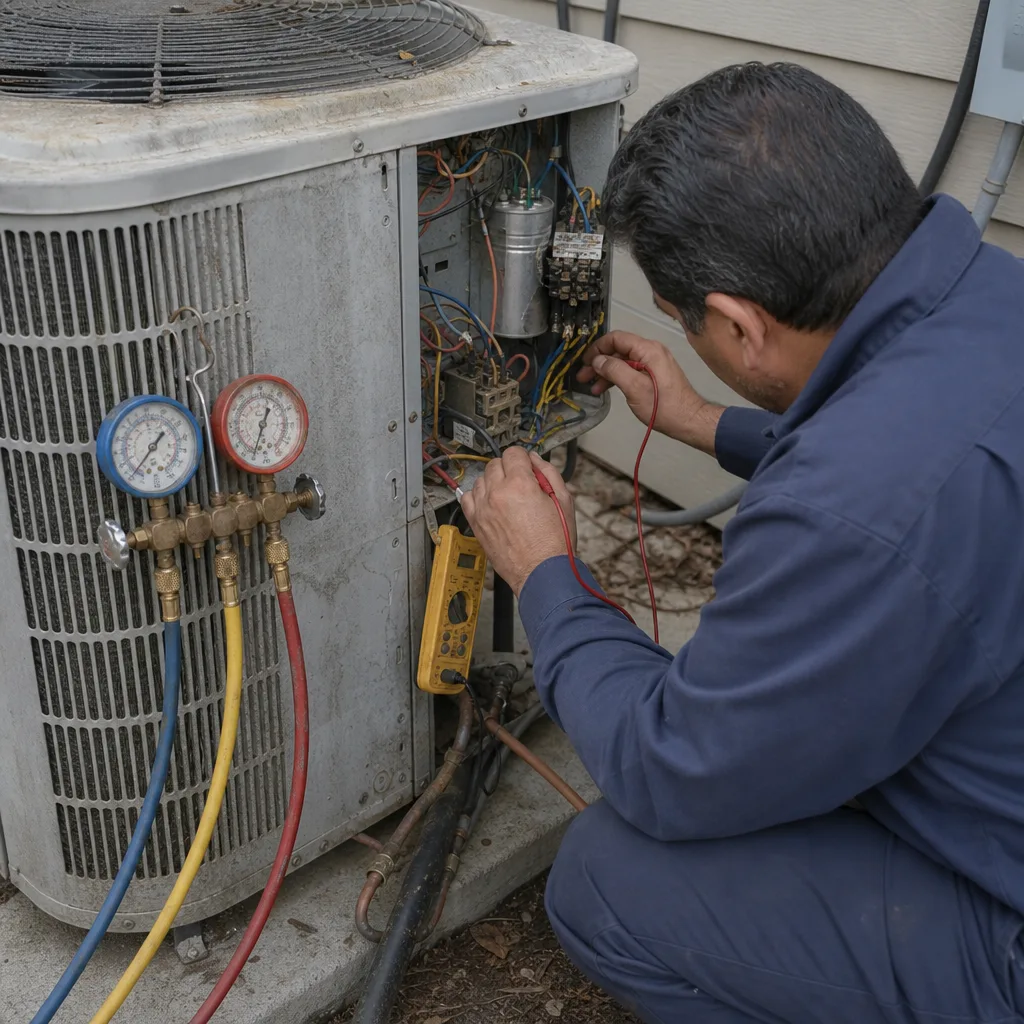 Before
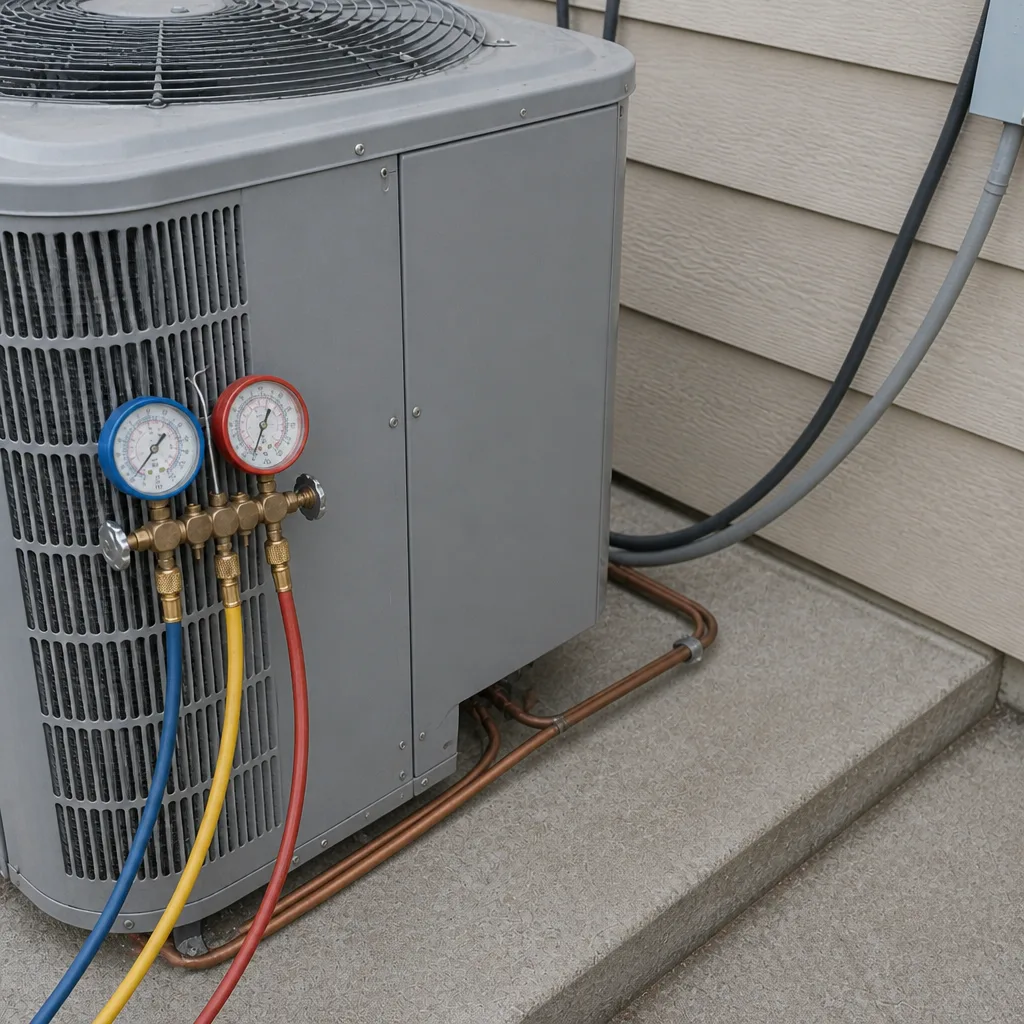 After
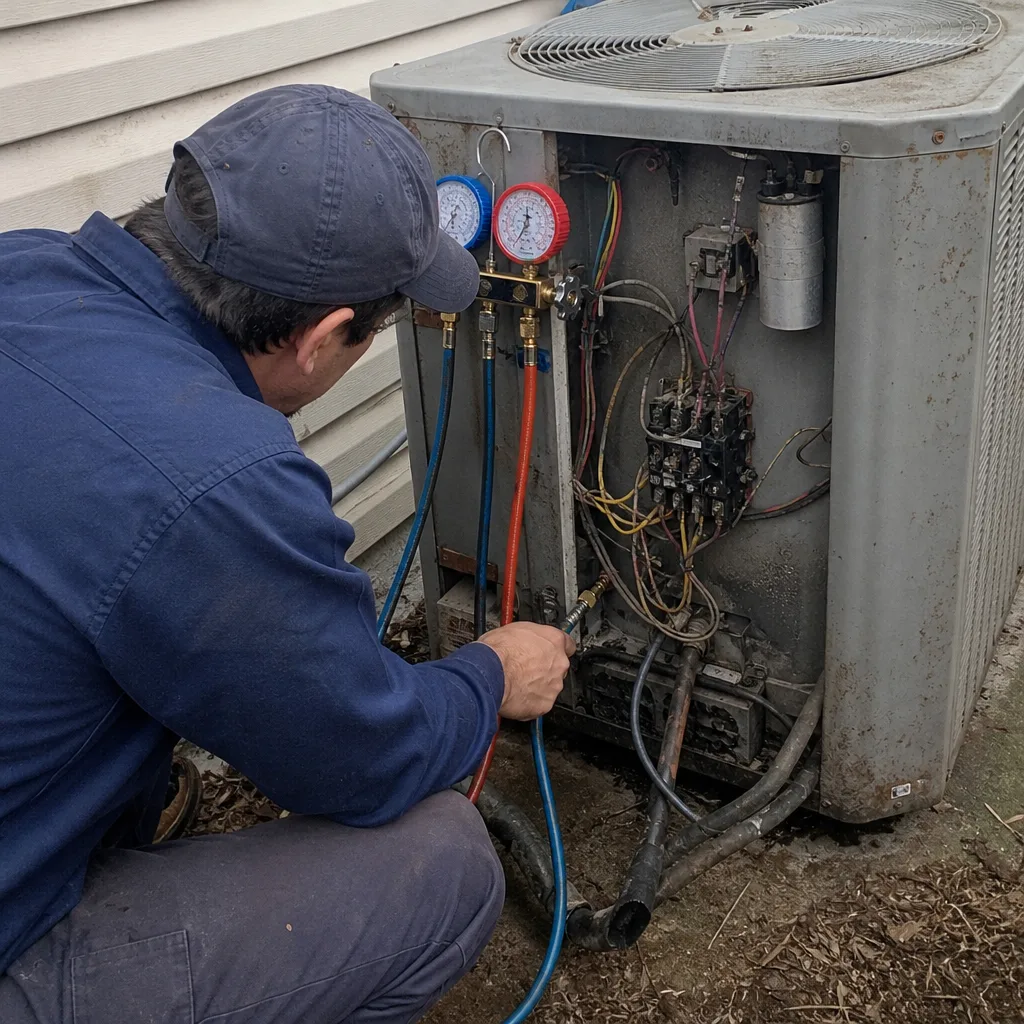 Before
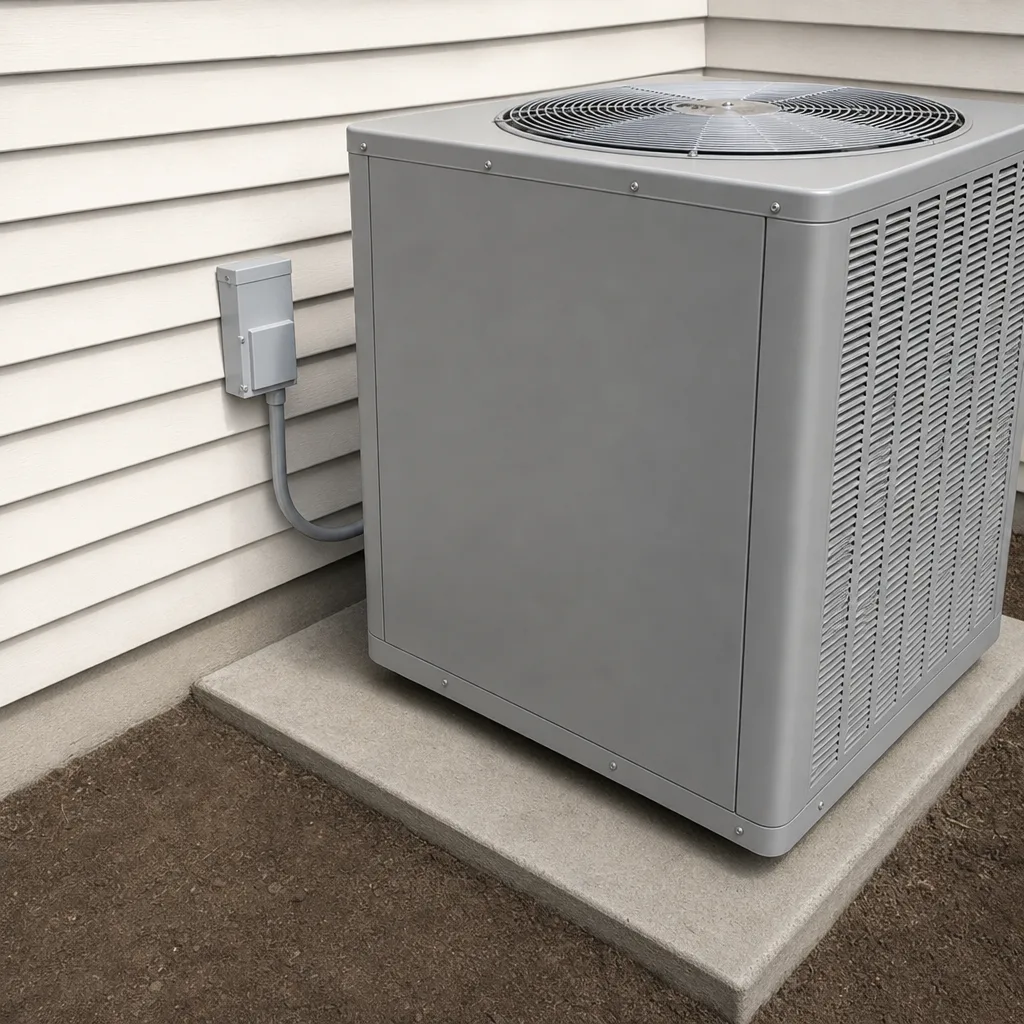 After
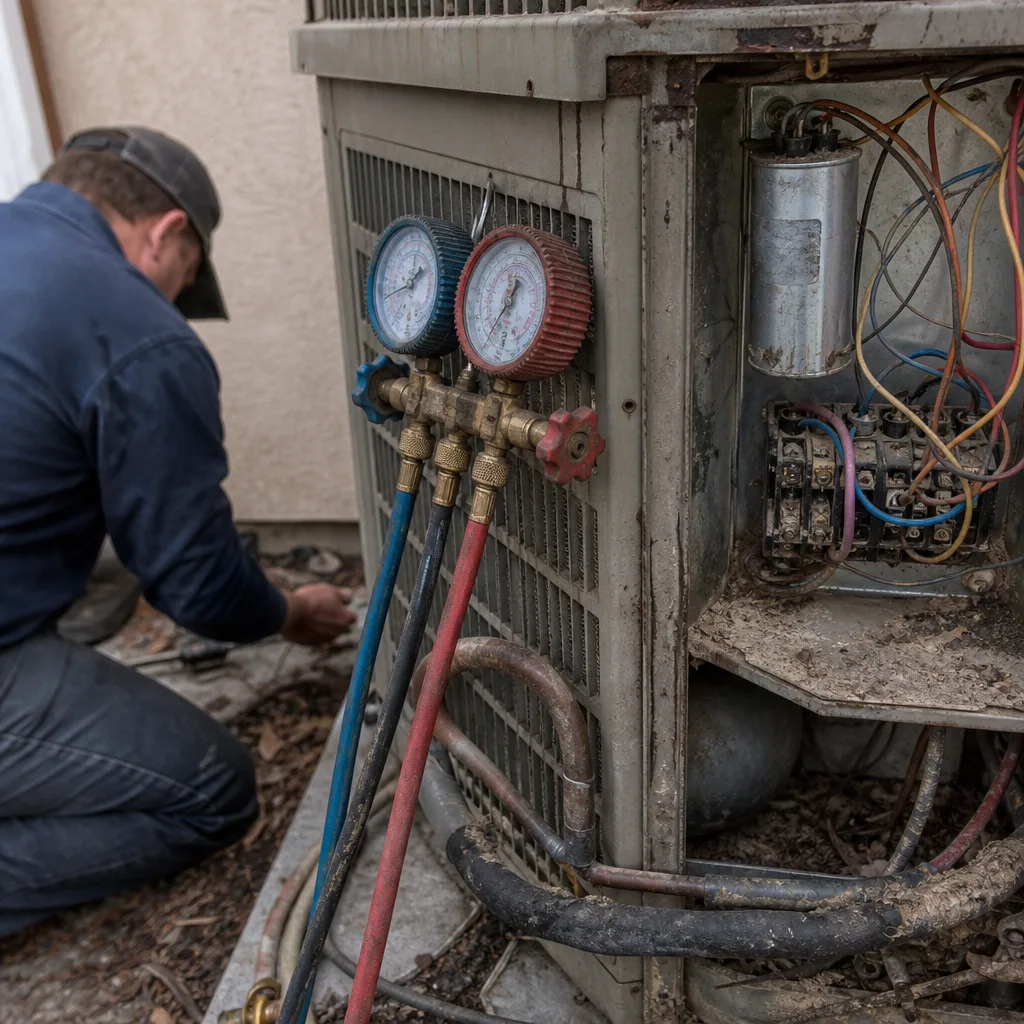 Before
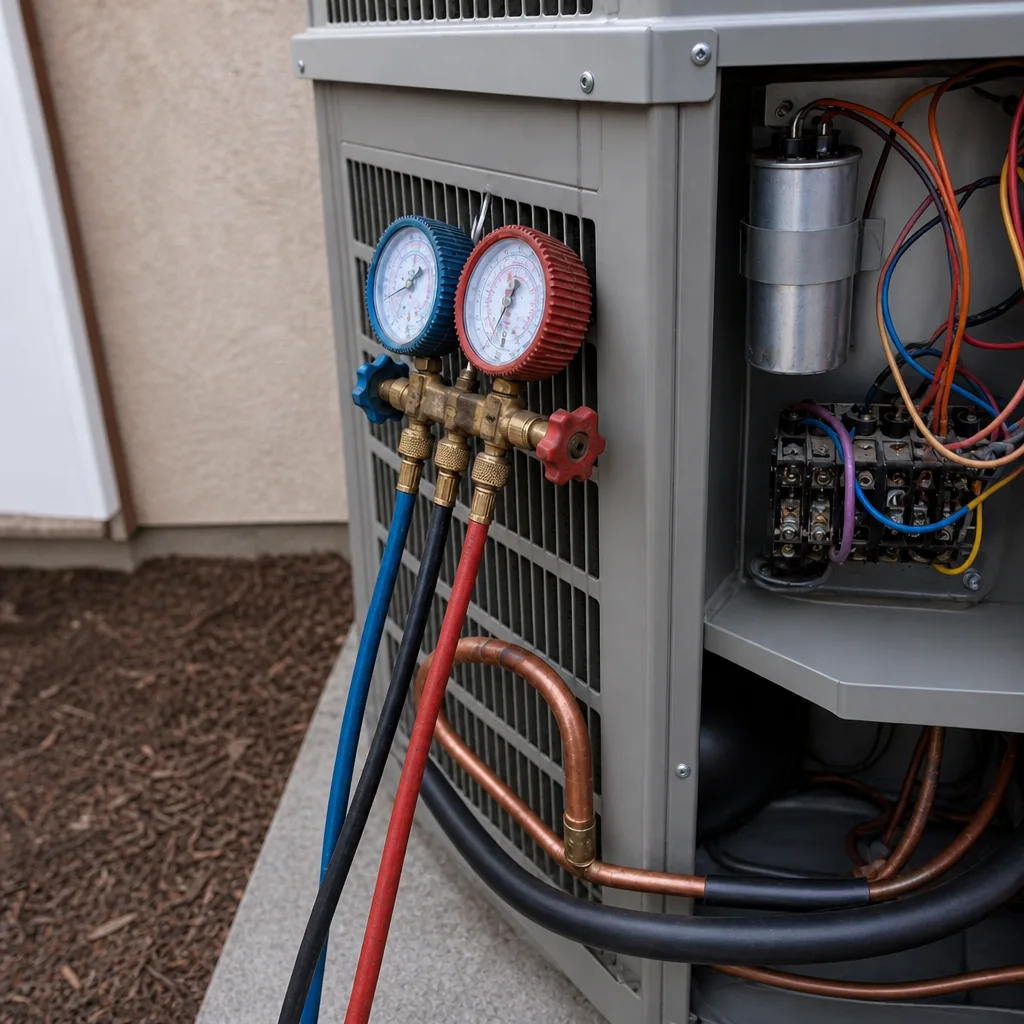 After