
Last updated November 17, 2026
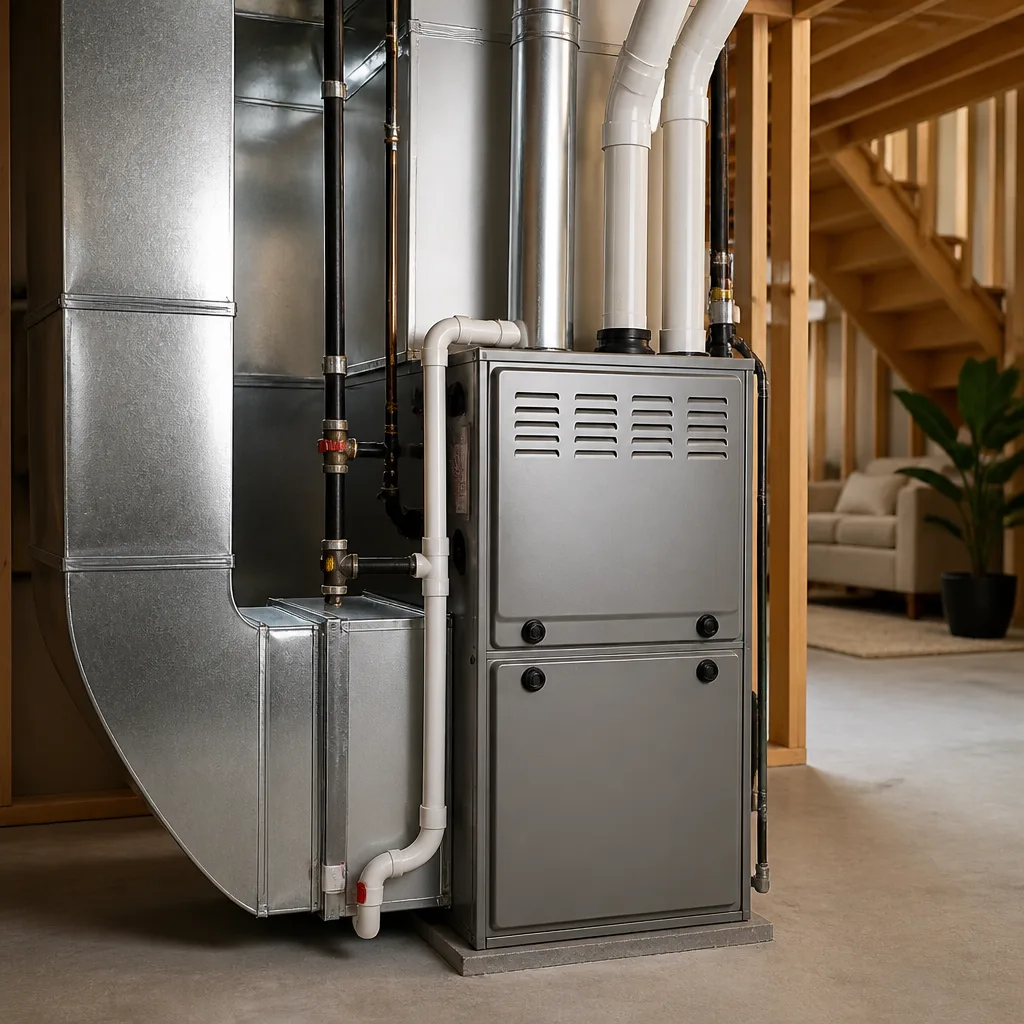 Furnace & heating
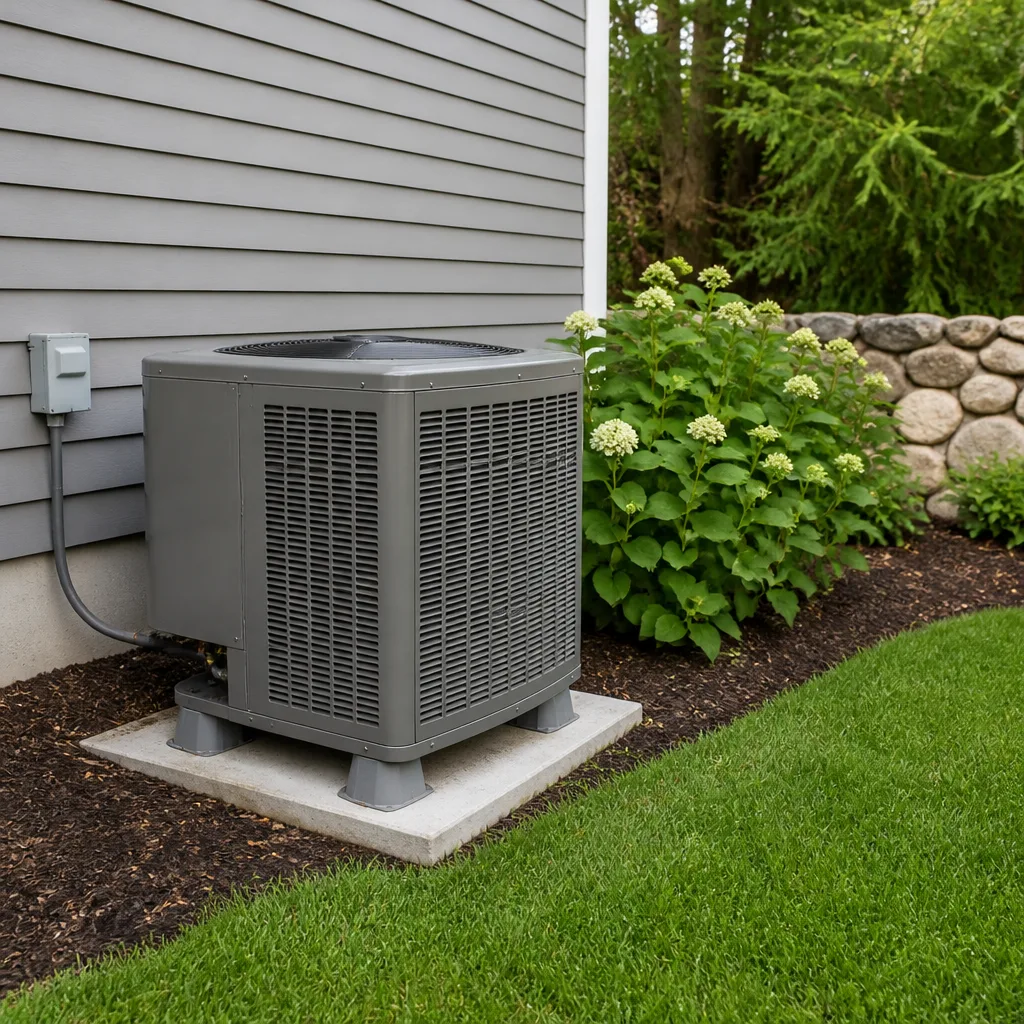 Heat pumps
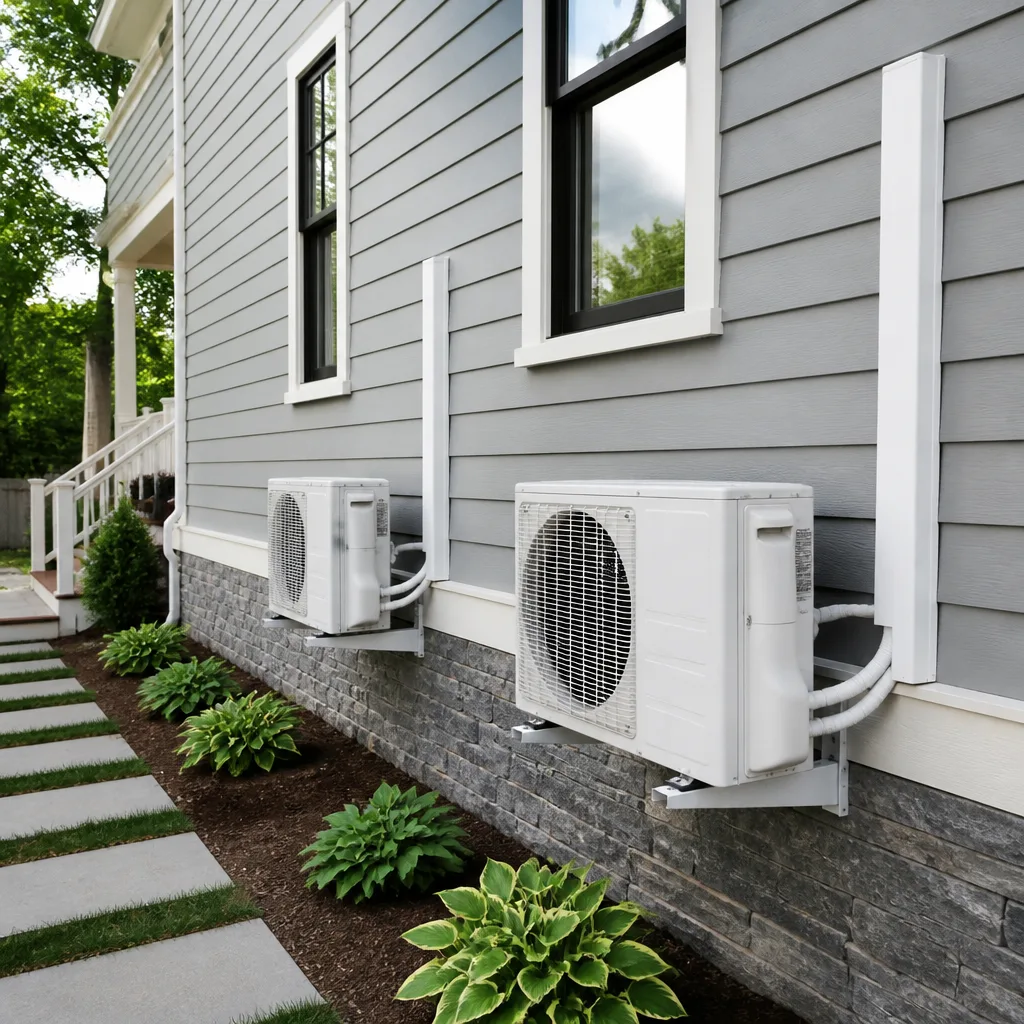 Ductless mini splits
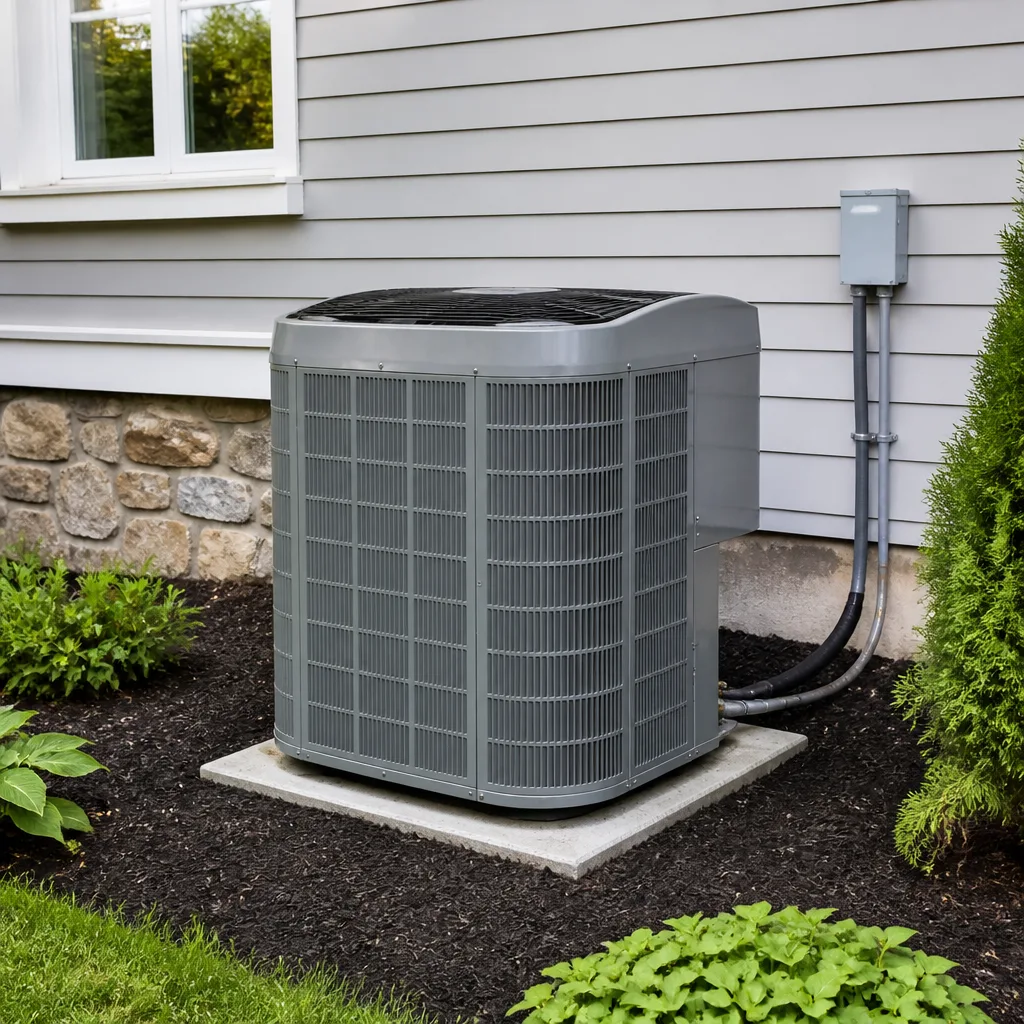 Carrier
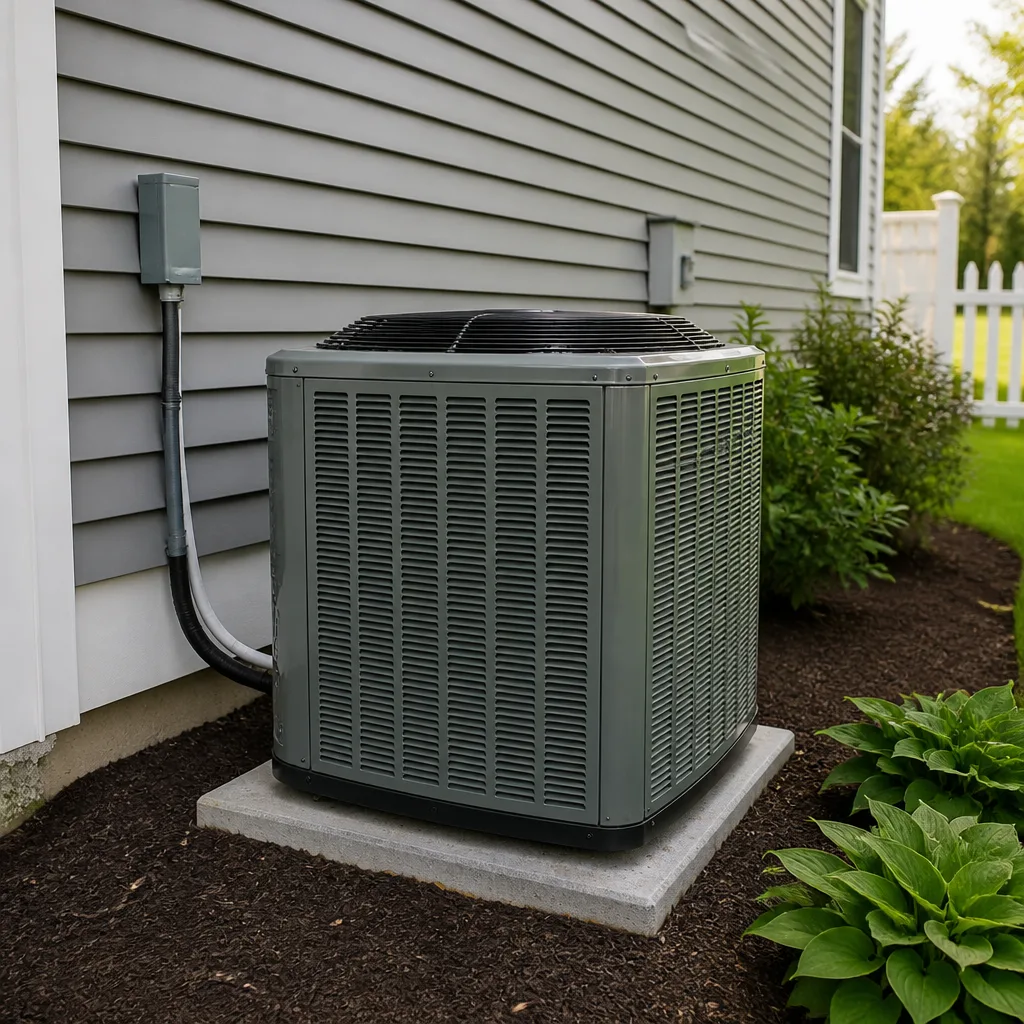 Trane
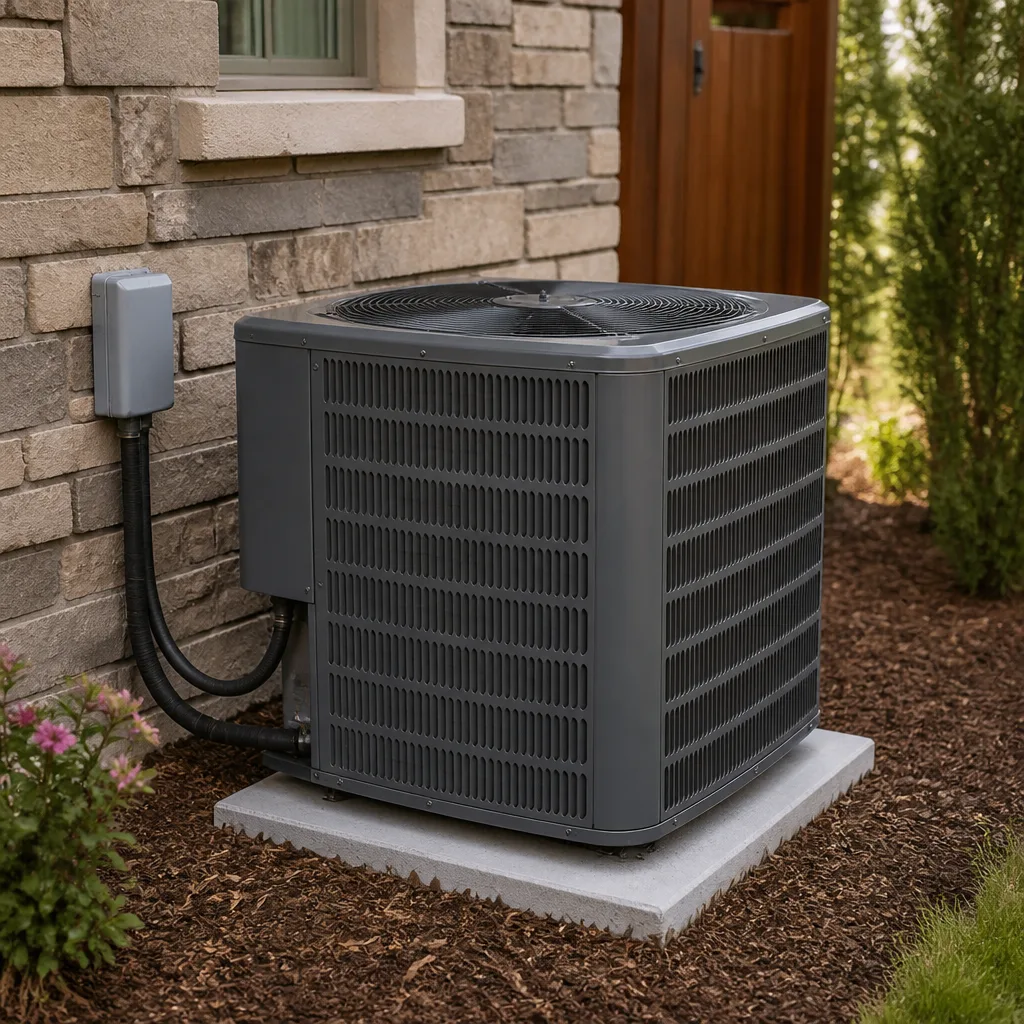 Goodman
Seasonal tune-up and full diagnostic on your Carrier, Trane, or Goodman system - readings shown to you before any repair is proposed
Diagnosis first, numbers second - you approve the repair price before a single part goes in.
Get your free estimateDIY vs Professional HVAC: The Whitney Homeowner’s Decision Guide
Most homeowners frame this question as a matter of confidence: am I handy enough to handle it? That’s the wrong axis. In Whitney, the DIY versus professional question is first a legal one and second a mechanical one. Nevada draws a firm line between what you may do on the home you own and what requires a licensed contractor, and the line runs right through the middle of your air conditioner. Touching refrigerant without federal certification is not a gray area you can reason your way around. Below, we separate the tasks you can safely handle from the ones that can void your warranty, cost you more than a repair call, or put you on the wrong side of the law.
Quick Answer
You can safely change filters, straighten coil fins, flush a condensate line, and replace a thermostat on your own home in Whitney without a license. Anything that involves refrigerant, brazing, electrical work inside the unit, or diagnosing a sealed system requires a licensed C-21 air conditioning contractor, and handling refrigerant without EPA 608 certification carries civil fines up to $44,539 per day. The dividing line is legal and mechanical, not a matter of how capable you feel.
Styles & brands we work with
- AC installation
- Furnace & heating
- Heat pumps
- Ductless mini splits
- Carrier
- Trane
- Goodman
Table of Contents
- The Legal Boundary in Nevada: What You Can Do Without a License
- Safe DIY Tasks You Can Do This Weekend
- Tasks That Void Manufacturer Warranties
- The Real Cost Comparison: Parts and Time vs. Professional Repair
- How DIY Troubleshooting Speeds Up a Pro Diagnosis
- Why Refrigerant Is a Hard Stop
- When DIY Turns Into a Professional Call
- Common Mistakes to Avoid
The Legal Boundary in Nevada: What You Can Do Without a License
Nevada allows a homeowner to perform maintenance and repair work on a residence they own and occupy without a contractor’s license. That exception is narrower than it sounds. It covers your own home and only your own home. It does not extend to a rental property you own but don’t live in, and it does not extend to a friend’s or family member’s house. The moment work crosses into someone else’s property, or into a specialty the state regulates separately, the homeowner exemption stops applying.
Air conditioning sits in that regulated territory because of two overlapping rules. The first is the state contractor licensing requirement: HVAC work for compensation requires a licensed C-21 air conditioning contractor. The second is federal and has nothing to do with Nevada at all. Refrigerant handling falls under Section 608 of the Clean Air Act. Any person who maintains, services, repairs, or disposes of equipment that could release ozone-depleting refrigerant into the atmosphere must hold EPA Section 608 certification. There is no homeowner exemption in that statute. The fine for knowingly violating it runs up to $44,539 per day per violation.
Here’s what that means in plain terms for a Whitney homeowner:
- You can change filters, clean accessible coils, straighten exterior fins, flush a condensate drain, replace a thermostat, and clear debris from around the outdoor unit without any license.
- You cannot legally add or recover refrigerant, braze or solder refrigerant lines, open the sealed system, or install a new condenser or evaporator coil on your own and expect it to be legal or covered. Those tasks require the certification.
- For anything beyond basic maintenance on a property you don’t occupy, use a licensed contractor. The homeowner exception doesn’t travel.
If you’re unsure whether a task crosses the line, the safest test is simple: does it touch the refrigerant circuit? If yes, that’s a pro job. If no, it’s likely within your reach as a homeowner in Whitney. When in doubt, call us and we’ll tell you straight whether it’s something you can handle.
Safe DIY Tasks You Can Do This Weekend
These are the jobs we’d honestly tell any Whitney homeowner to do themselves. They’re low-risk, they don’t touch refrigerant, and they genuinely extend the life of a system. Our technicians have up to 8 years of experience and still do these on every maintenance visit, but there’s no reason you can’t do them between professional checkups.
- Change the air filter. Slide out the old filter, note the size and the airflow arrow direction, and slide the new one in with the arrow pointing toward the blower. In Whitney’s dusty desert air, a 1-inch filter often needs changing every 30 days during cooling season, not the 90 days the packaging suggests. A clogged filter chokes airflow, drives up energy use, and can freeze the coil.
- Straighten bent coil fins. The aluminum fins on the outdoor condenser bend easily from debris or a stray hose. A fin comb or a soft brush can straighten mild bends and restore airflow across the coil. Go gently; the fins are soft and tear if you force them.
- Flush the condensate line. A clogged drain line is one of the most common causes of a mid-summer shutdown because it triggers the float switch. Find the PVC drain near the indoor unit, pour a cup of white vinegar or warm water through the access point, and check that it drains freely. Do this monthly in cooling season.
- Replace a thermostat. A modern programmable or smart thermostat is a straightforward swap if your wiring matches: label each wire, kill power at the breaker first, mount the new base, and reconnect in the same terminals. If you see a wire labeled for a heat pump or you’re unsure which terminal is which, stop and call.
- Clear the outdoor unit. Trim vegetation back at least two feet from the condenser and rinse debris off the coil fins with a garden hose on low pressure. Don’t use a pressure washer; it bends the fins flat.
Notice what’s absent from that list. No refrigerant, no electrical diagnosis, no sealed-system work. That’s deliberate. Those tasks are where DIY goes wrong in ways that cost real money.
Tasks That Void Manufacturer Warranties
Manufacturer warranties on equipment from Rheem, York, Daikin, Bryant, and every other major brand share a common structure. The parts warranty covers the compressor and other components for a set number of years, but it typically requires that installation and repair be performed by a licensed contractor. Some brands go further and require documented annual maintenance to keep the warranty valid. When you perform work yourself on the sealed system or the electrical side, you can give the manufacturer grounds to deny a claim on a compressor that’s only a few years old.
The warranty language varies by brand and model, so verify yours rather than assuming. Here’s how:
- Find the warranty document. It’s usually in the paperwork from installation or available on the manufacturer’s website by model and serial number. The model plate is on the outdoor unit.
- Read the exclusions section. Look for “improper installation,” “unauthorized repair,” or “work not performed by a licensed contractor.” That’s the language that matters.
- Check the maintenance clause. Some warranties specify that annual professional maintenance is a condition of coverage. If yours does, DIY-only care can technically breach it.
- Keep records. Save receipts and dates for any professional service. If a claim ever comes up, you’ll want the paper trail.
This is one reason our AC maintenance relationships matter over the long run. A documented annual visit protects the warranty and catches small problems before they become compressor failures. If you’d rather handle the routine work yourself, that’s fine, but know what your specific warranty requires before you skip the professional visit entirely.
The Real Cost Comparison: Parts and Time vs. Professional Repair
The tempting math on DIY is “part costs $80, so a repair call at hundreds of dollars is a ripoff.” That math usually ignores the parts of the bill that don’t show up on the receipt. A DIY capacitor replacement might cost $15 in parts, but if you misdiagnose a weak capacitor as a bad compressor, you’ve spent the weekend and still need the pro. Multiply that by a few wrong guesses and the DIY path costs more than the repair call would have.
Here’s how the costs actually break down in Whitney for the most common scenarios:
- DIY filter change: $10-$30 in filters. Saves a service call. Genuinely worth doing yourself.
- DIY thermostat swap: $50-$250 for the thermostat. Saves an hour of labor if the wiring matches. Worth doing if you’re comfortable with low-voltage wiring.
- Professional diagnostic: Free estimate, with the repair priced per job by the written estimate. This is where the real comparison begins.
- Professional capacitor or contactor repair: Small parts, quick diagnostic, flat-rate pricing. Usually less than the cost of the wrong DIY guess plus the right repair.
- Sealed-system repair or refrigerant recharge: Not a DIY option at any price. Requires EPA 608 certification, a recovery machine, a vacuum pump, and gauges. This is a pro job by law and by equipment.
The honest comparison in Whitney isn’t DIY versus pro on every task. It’s this: for the roughly 80% of AC failures that are electrical or mechanical and require diagnosis, professional flat-rate repair usually wins on total cost once you count the misdiagnosis risk. For routine maintenance, DIY wins on cost and it’s the one category where we’d encourage it. Our AC repair pricing is set by a written estimate before any work begins, so you’ll know what you’re paying before you commit.
How DIY Troubleshooting Speeds Up a Pro Diagnosis
Here’s something worth internalizing: even when you’re calling us, DIY troubleshooting still has value. You won’t fix the system, but you’ll make our visit faster and often cheaper because we won’t have to spend as much time reproducing the symptom. A homeowner who can tell us exactly what happens and when has already done half the diagnostic work.
Do this before you call:
- Note when the symptom happens. Does the unit run but not cool? Does it trip the breaker after a few minutes? Does it cycle on and off rapidly? Each pattern points to a different cause, and precise timing narrows the list fast.
- Check the obvious stuff. Thermostat set to COOL and below room temperature, filter clean, outdoor unit unobstructed, breaker not tripped. If all four check out, the problem is internal.
- Listen and smell. A clicking sound, a hum with no fan movement, ice on the indoor coil, a musty smell from the vents, or a faint burning odor all tell us something specific.
- Check the error code. Many modern systems display a code on the thermostat or control board. Write it down exactly. That single code can save ten minutes of diagnostic time.
- Note the model and serial. On the outdoor unit nameplate. We work on the brand already in your home, whether it’s Rheem, Daikin, Bryant, or another major make, and knowing the model helps us arrive prepared.
What you shouldn’t do is crack open the electrical panel or start metering components unless you’re trained. A capacitor can hold a lethal charge long after the power is off. There’s a reason we treat the electrical side of the system as a pro-only area, and it’s not because we want your money. It’s because the work is genuinely dangerous.
Why Refrigerant Is a Hard Stop
If there’s one line in this guide we want you to remember, it’s this: refrigerant handling is not a DIY category under any circumstances. It’s not a skill gap that can be closed with a YouTube video and a cheap gauge set. It’s federal law, it’s a fine exposure that dwarfs the cost of any repair, and it’s an environmental hazard when done wrong.
Section 608 of the Clean Air Act requires that anyone servicing equipment that contains ozone-depleting refrigerant hold EPA certification. Add refrigerant without recovery and you release refrigerant into the atmosphere, which is the exact harm the statute exists to prevent. The civil penalty for a knowing violation is up to $44,539 per day. That’s per day, per violation. A homeowner topping off a system with a can from the hardware store is taking on that exposure with no license and no insurance behind them.
Beyond the legal exposure, the technical reasons also point to a professional:
- You need to diagnose the leak, not just top off. Refrigerant doesn’t get consumed; if the system is low, it leaked. Topping off a leaky system without finding the leak just defers the problem and risks the compressor.
- You need proper equipment. Recovery machine, vacuum pump, manifold gauges, a scale, and a leak detector. Every job requires them.
- You need to charge by weight or by subcooling, not by “feel.” An improperly charged system runs hot, loses efficiency, and can fail the compressor prematurely.
In Whitney’s hot climate, a system running undercharged works harder and fails sooner. That’s a repair cost that compounds over years. If you suspect a refrigerant issue, that’s exactly the situation where a fast diagnosis is worth the call.
When DIY Turns Into a Professional Call
Some failures announce themselves clearly. Others creep up quietly and the homeowner only realizes something is wrong after weeks of slightly warmer air. In Whitney, the line is usually a combination of stubborn symptoms and high outdoor temperatures. Our AC is all we do, which means we hear the same patterns repeatedly, and these are the ones that mean it’s time to call:
- Running but not cooling. If the fan runs and the air is warm, you’re often looking at a refrigerant issue, a compressor problem, or a failing capacitor. All three require a pro.
- Short cycling. The unit starts and stops every few minutes. This is hard on the compressor and often points to a charge issue, an oversized system, or a control fault.
- Ice on the coil or refrigerant line. That’s a sign of low refrigerant or restricted airflow. Ice on a line in the middle of July in the desert is a clear signal something’s wrong.
- Tripping the breaker. Every trip is a warning. Don’t just reset it repeatedly; the underlying cause is often an electrical fault.
- Loud noises or burning smells. Grinding, screeching, or a hot electrical smell. Stop the system and call. These are not “wait it out” symptoms.
- The system is old and failing often. Once a unit needs professional repair every season, the math usually turns toward replacement. We’ll tell you honestly when that’s the case rather than repeatedly patching a system past its useful life.
We’re specialists, not generalists. We handle AC repair, AC installation, and AC maintenance. When we say a repair requires a pro, we’re not upselling: we’re flagging the tasks the law and the equipment require.
Common Mistakes to Avoid
- Topping off refrigerant from a can. This is illegal without EPA 608 certification and the most common way a homeowner takes on personal liability. It’s a hard stop.
- Skipping filter changes in cooling season. In Whitney’s dusty air, going 90 days on a filter is too long. Change every 30 days, or use your filter as a monthly reminder.
- Resetting a tripped breaker repeatedly. A breaker that trips more than once is telling you something. Repeated resets mask the problem and risk damage.
- Opening the electrical panel without training. Capacitors hold lethal voltage even after power is cut. There’s no DIY task on the electrical side worth the risk.
- Assuming the warranty will cover it. Read your specific warranty before any DIY repair. Some require professional service; all of them exclude unauthorized work.
- Replacing a thermostat without checking the wiring. A heat pump or a system with a common wire needs specific terminal connections. Guess wrong and you’ll damage the new thermostat.
- Ignoring a slow performance decline. A system that works “just okay” for a few weeks is often one leak or one capacitor away from full failure. Small warning signs are the cheap time to call.
See the difference
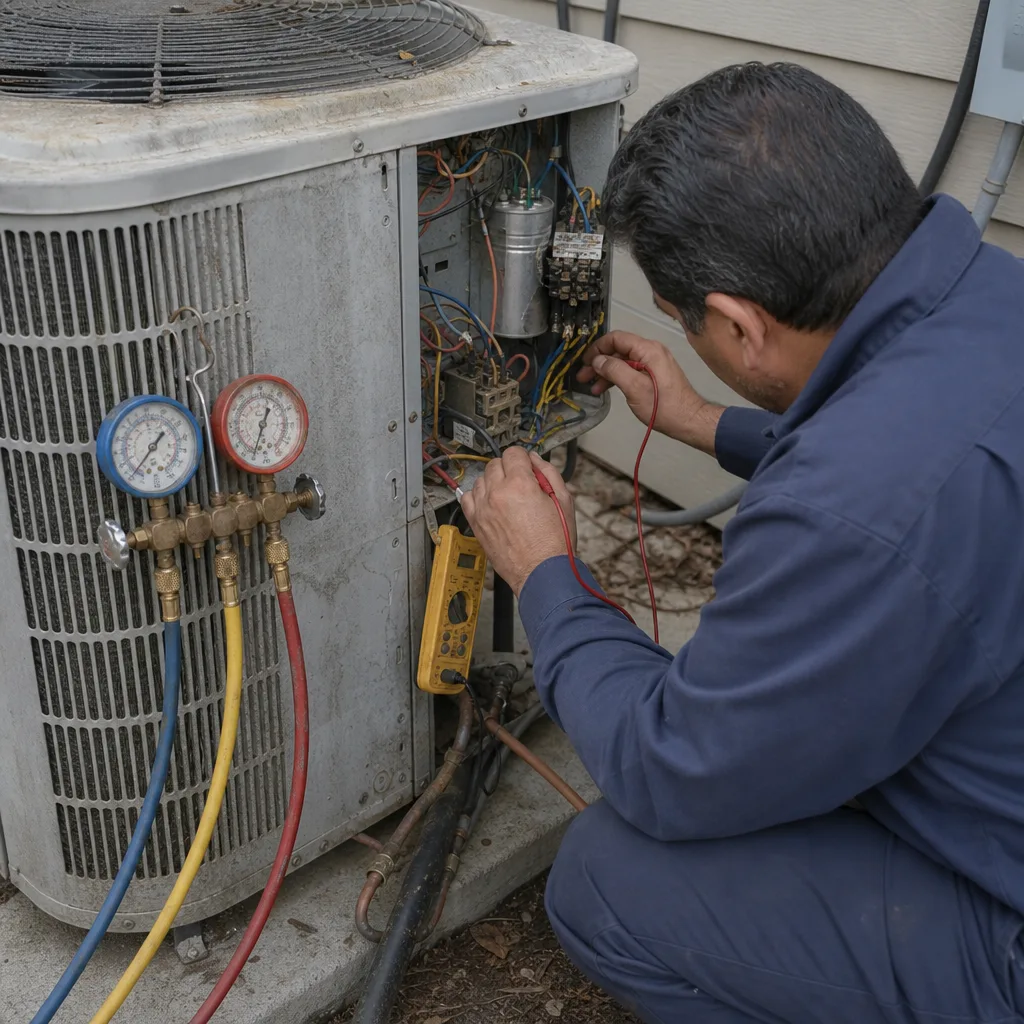 Before
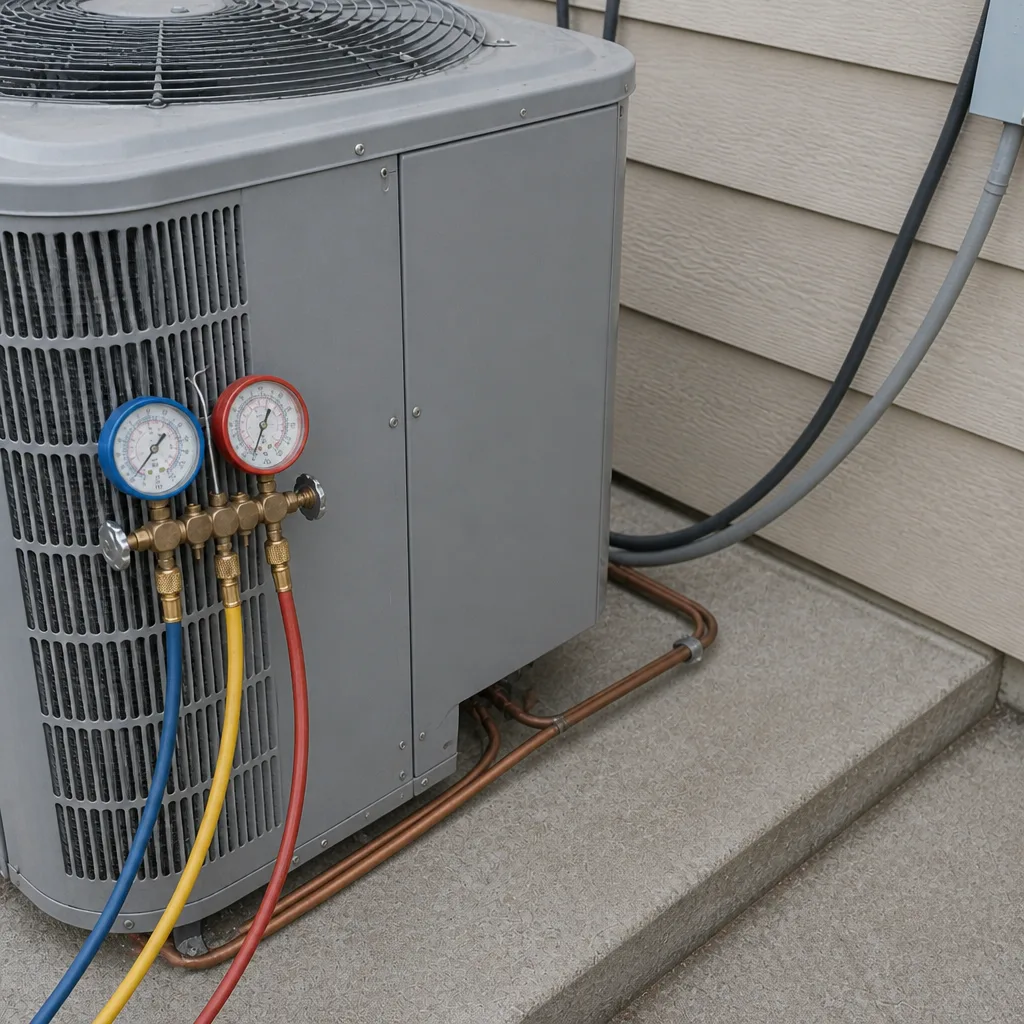 After
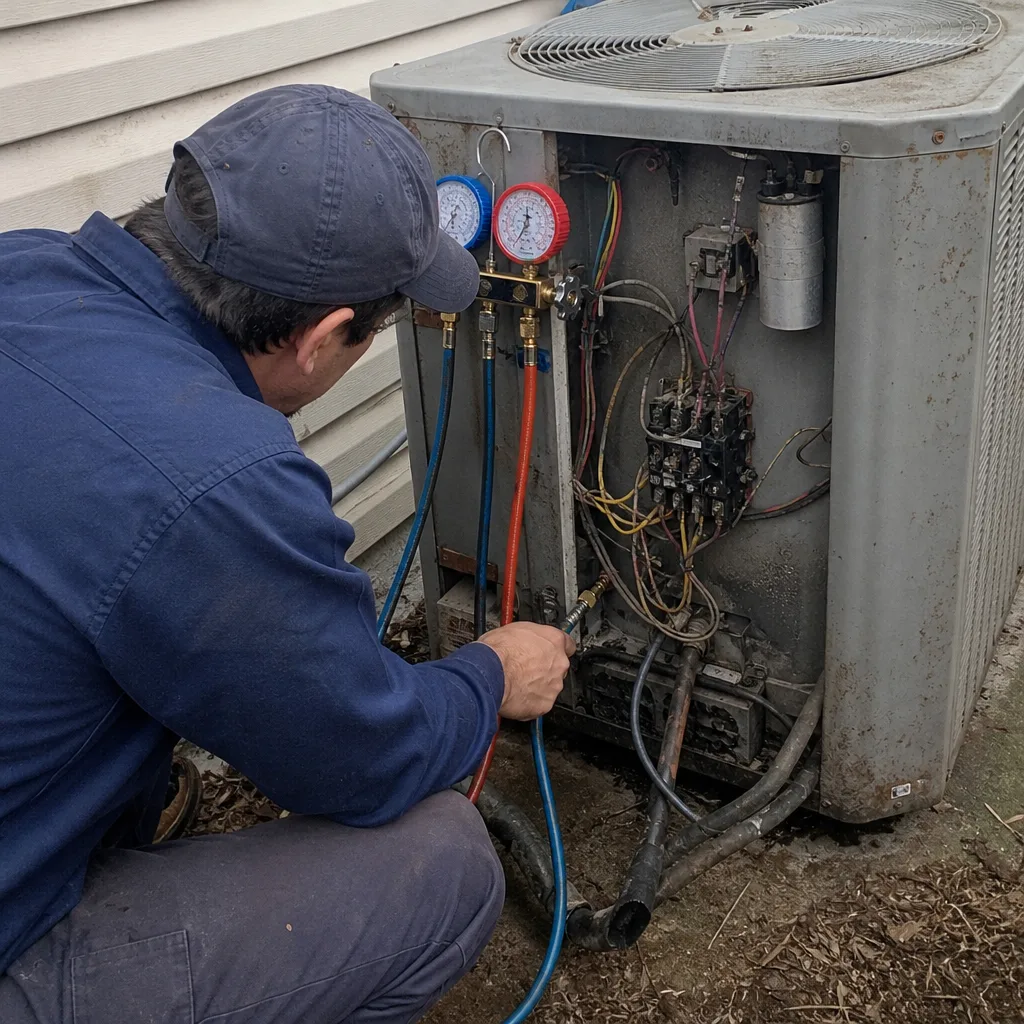 Before
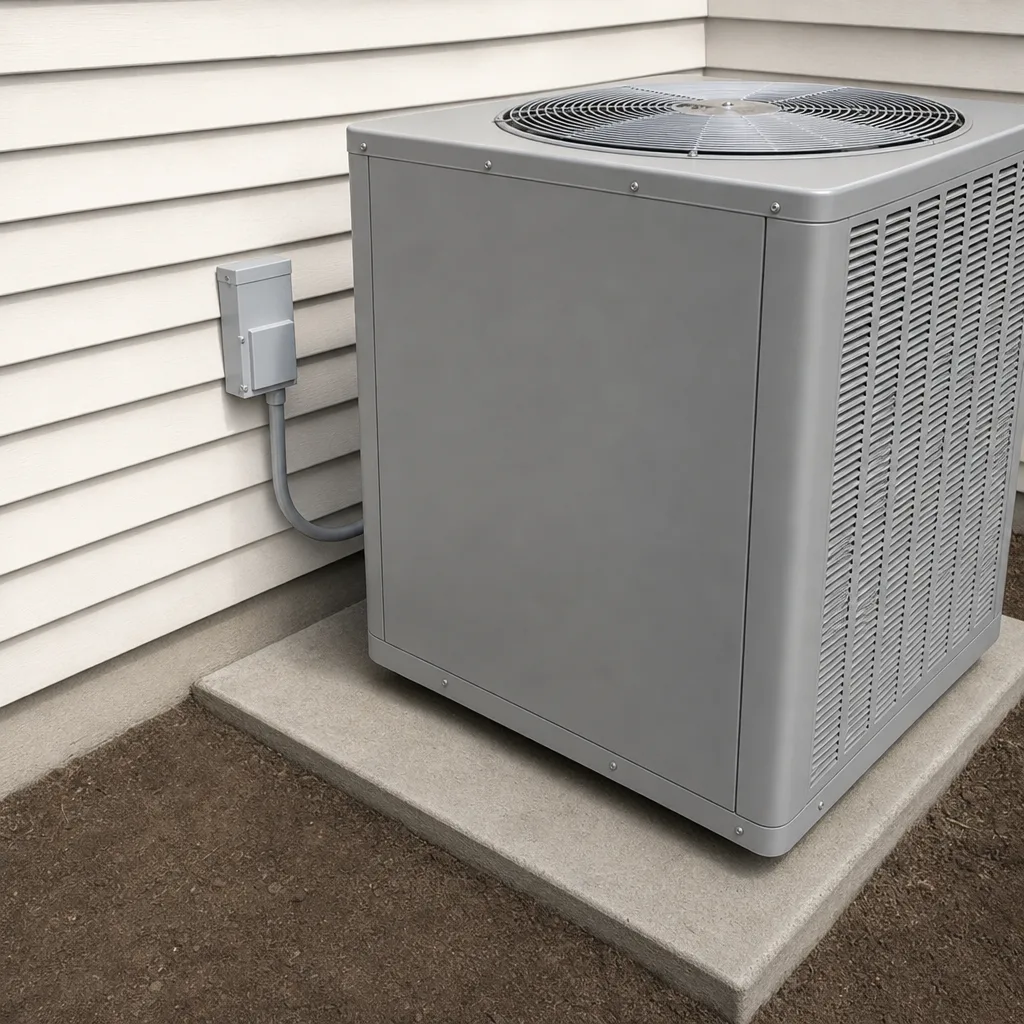 After
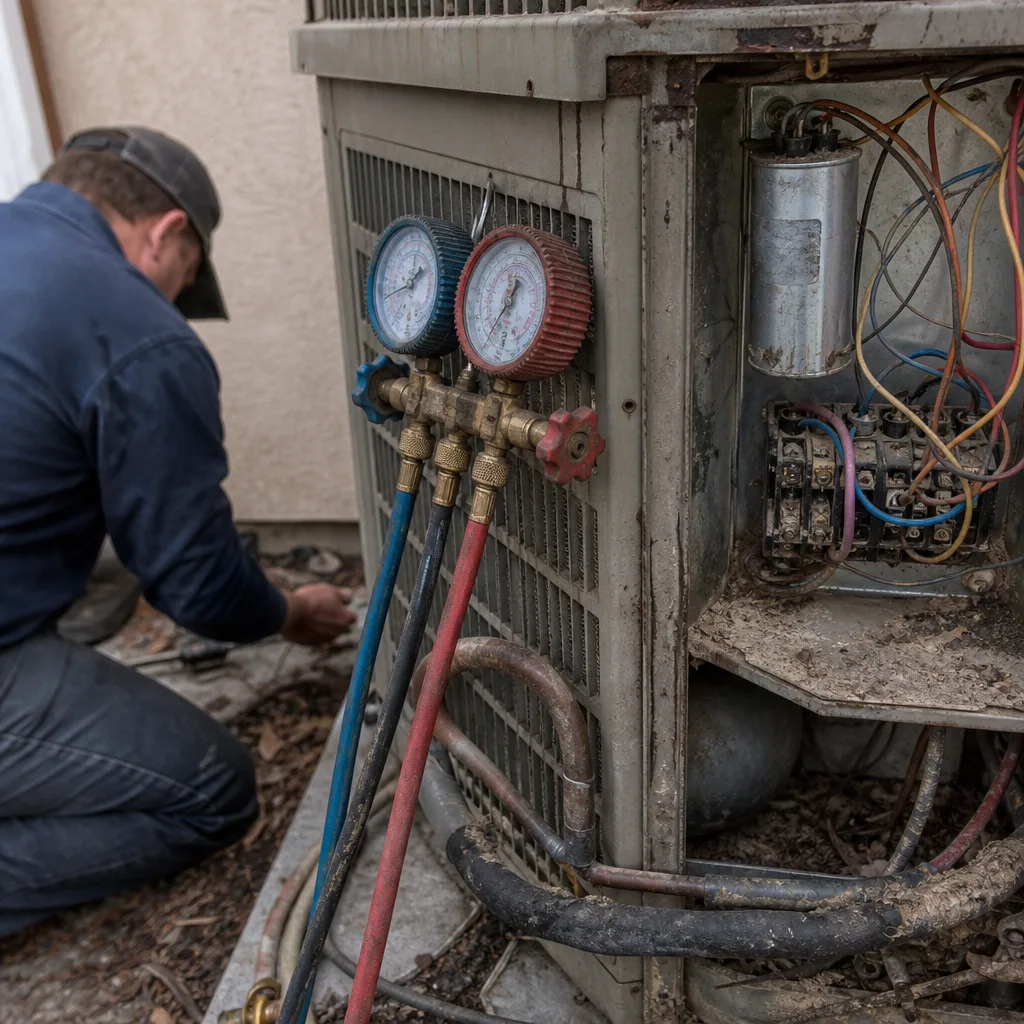 Before
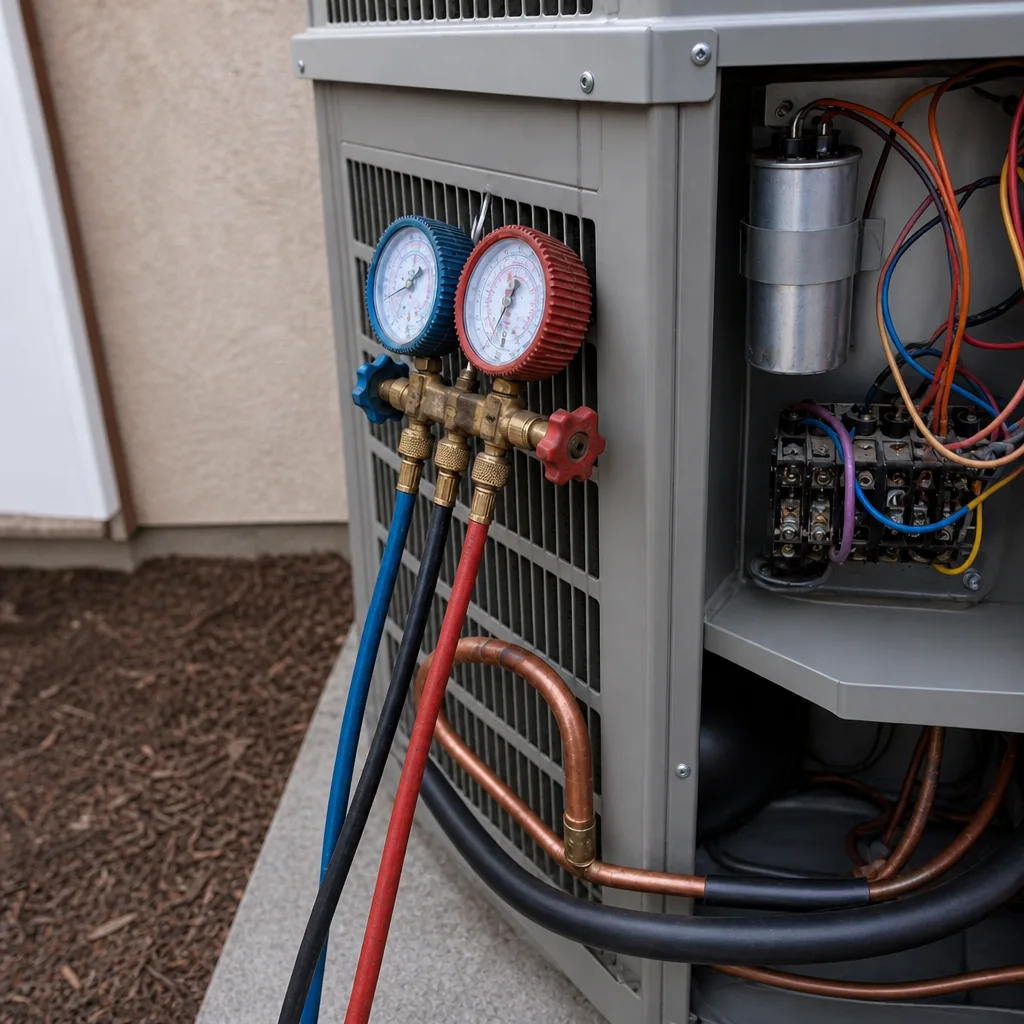 After
When to Call a Professional
Call a professional the moment you suspect a refrigerant issue, hear a loud mechanical noise, smell something burning, or see ice on your coil. Call us if the system runs but doesn’t cool, trips breakers, or trips the same breaker more than once. If your system is more than a decade old and you’re spending on repairs every season, call for a replacement estimate so you know the real math. And if you’re simply unsure whether something is within your reach, call us and we’ll tell you over the phone. We work on Carrier, Trane, Lennox, Goodman, Rheem, York, Daikin, Bryant, and American Standard systems across Whitney, and we’ll give you the honest answer rather than the sale. Free estimates in Whitney. Call (888) 691-6715.
Frequently Asked Questions
You can legally perform maintenance and repair on your own home in Nevada, but not refrigerant work and not on property you don’t occupy. The homeowner exception covers basic tasks like filters, coils, and thermostats. Any task involving the sealed refrigerant circuit requires EPA 608 certification and, for compensation work, a licensed C-21 contractor. Refrigerant handling without certification is a federal violation. If you’re unsure which side a task lands on, call (888) 691-6715 and we’ll tell you straight.
Cost depends on the diagnosis and the parts required, and the written estimate sets the price before work begins. Simple repairs like a capacitor or contactor are typically much less than a compressor or coil replacement. The estimate is free. Call (888) 691-6715 for an exact quote for your system.
No. Filter changes are a routine, expected homeowner task and don’t void any manufacturer warranty. What can affect warranty coverage is work on the sealed system or the electrical side of the unit, especially if the work causes subsequent damage. Check your warranty document for the specific language on professional service requirements. If you’re unsure, call (888) 691-6715 and we’ll help you read what it says.
Because Section 608 of the Clean Air Act requires EPA 608 certification to handle refrigerant, and the civil penalty for a knowing violation runs up to $44,539 per day. Beyond the legal risk, topping off without finding the leak just defers the problem and puts compressor health at risk. This is a pro-only task by law and by equipment. Call (888) 691-6715 if you suspect a refrigerant issue.
Yes, in most cases. A free estimate with a trained diagnostic can save you hundreds in misdiagnosed DIY parts and time. The most common AC failures require electrical and refrigeration knowledge to identify correctly. Even if you complete the repair professionally, the diagnosis is what makes it possible. Call (888) 691-6715 to book a free estimate.
It can, yes. A homeowner who notes exact symptoms, records an error code, and confirms the model and serial number gives the technician a head start. That shortens the diagnostic time and can reduce the total bill. The key is to observe and document, not to start metering components or opening the electrical panel. Call (888) 691-6715 and bring your notes.
The Bottom Line
The DIY vs professional question in Whitney comes down to a clean legal and mechanical line. Filters, coils, condensate lines, and thermostats are genuinely within reach for most homeowners. Refrigerant handling, sealed-system work, and electrical diagnostics are not, by law and by safety. The middle category, where a repair is minor but requires a trained eye to diagnose, is usually cheaper done professionally than guessed at. We work on the brand already in your home, we’ve built our reputation on fast diagnosis and honest recommendations, and we’ll tell you when a task is worth doing yourself. Repair, replace, or maintain, one call covers it. For free estimates in Whitney, call (888) 691-6715. We answer 24/7. Fast dispatch from 7am to 7pm, Sunday through Friday.
Written by the team at AC Repair Whitney.